Abraham Lincoln: the leader who saved the Union
Abraham Lincoln, the 16th President of the United States, is renowned for his pivotal leadership during the Civil War and his commitment to ending slavery. His most significant acts include the Emancipation Proclamation, which freed enslaved people in Confederate states, and supporting the Thirteenth Amendment, which abolished slavery nationwide. Lincoln’s ability to unite a divided nation, his strong communication skills, and his empathy towards others defined his legacy as one of the greatest leaders in American history, making lasting contributions to the ideals of freedom and equality.
Abraham Lincoln is often remembered as a towering figure in American history, whose leadership during the Civil War is both inspiring and instructive. But what drove this humble man to greatness?
Introduction to Abraham Lincoln
Abraham Lincoln, the 16th President of the United States, was born on February 12, 1809. He came from very humble beginnings. His parents were farmers, and he grew up in a log cabin in Kentucky. Although he had little formal education, he loved to read and learn. This passion for knowledge helped shape his views and future.
Lincoln’s early life was marked by hard work and perseverance. As a young man, he took on various jobs. He worked as a rail-splitter and a storekeeper. These experiences taught him valuable lessons about people and the economy.
In 1830, Lincoln’s family moved to Illinois. There, he began a career in politics. He was elected to the Illinois State Legislature and later served in the U.S. House of Representatives. His strong beliefs about freedom and equality made him stand out.
Lincoln was a gifted speaker and thinker. His ability to connect with people was one of his greatest strengths. As he gained popularity, he faced many challenges in a divided nation. The country was on the brink of civil war.
Early Life and Challenges
Abraham Lincoln’s early life was full of challenges and hard work. He was born in a log cabin in Kentucky. His family struggled to make ends meet. They moved to Indiana when he was just seven years old. There, they faced even more hardships.
Despite these difficulties, Lincoln was curious and eager to learn. His formal schooling was limited, but he read everything he could find. Books opened his mind and shaped his thoughts. This passion for knowledge helped him to grow.
When Lincoln turned 21, he moved to Illinois, seeking new opportunities. He took many odd jobs, including rail-splitting and storekeeping. Each job taught him important lessons about work and people. They also connected him to the community.
Lincoln often faced criticism for his beliefs. He was a firm believer in freedom and equality. This sometimes made him unpopular. Yet, he stood strong in his convictions, which would later define his leadership.
As a young man, Lincoln encountered many challenges. But he never let them hold him back. Instead, he used these experiences to build a foundation for his future leadership.
Leadership During the Civil War
Abraham Lincoln’s leadership during the Civil War was crucial for the nation. The war began in 1861 and lasted for four long years. It tested Lincoln’s resolve and leadership skills like never before.
Lincoln faced a divided nation, with strong opinions on both sides. He believed in preserving the Union. His commitment to this goal guided his decisions. He worked tirelessly to unite the country, navigating through political challenges with skill.
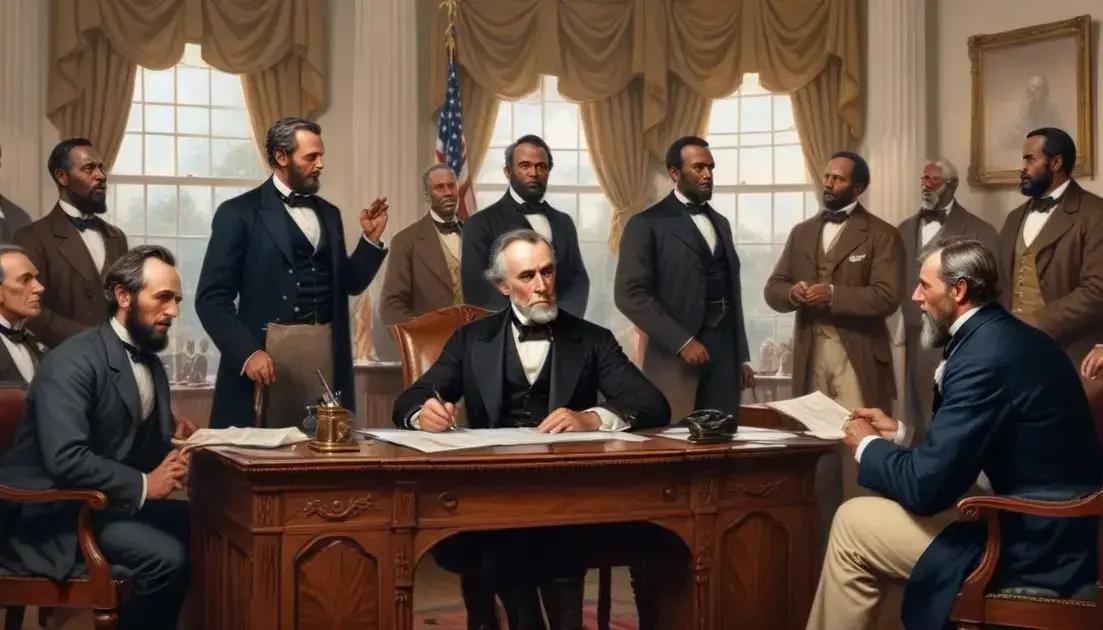
One of Lincoln’s key moves was the Emancipation Proclamation. Issued in 1863, this important document freed enslaved people in the Confederate states. This not only changed lives but also added moral weight to the Union’s cause.
Lincoln also chose strong leaders for the military. He appointed generals like Ulysses S. Grant, who proved crucial for victory. Together, they faced tough battles, often with little support. Yet, their determination paid off in the end.
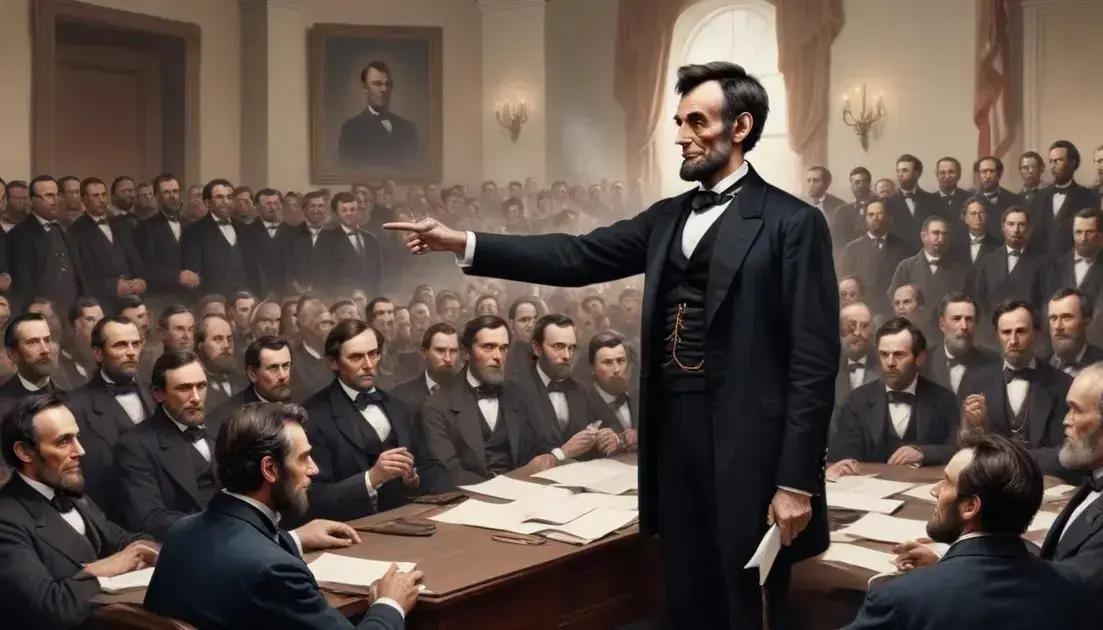
The president used speeches to inspire and connect with the public. His words, like those in the Gettysburg Address, emphasized freedom and equality. This helped shape the nation’s values during a challenging time.
Key Achievements and Legacy
Abraham Lincoln achieved many important things during his presidency. His leadership was key in preserving the Union during the Civil War. One of his greatest accomplishments was signing the Emancipation Proclamation in 1863. This document declared all enslaved people in Confederate territories free.
Lincoln also worked hard to pass the Thirteenth Amendment. This amendment abolished slavery in the entire United States. His dedication to this cause showed his strong belief in freedom and equality.
Another major achievement was the Homestead Act of 1862. This law allowed many Americans to claim land in the West. It helped expand the nation and gave new opportunities to citizens seeking a better life.
Lincoln’s speeches, especially the Gettysburg Address, left a lasting impact. He emphasized the principles of liberty and equality. His powerful words inspired the nation and are still quoted today.
Lincoln’s legacy goes beyond politics. He is remembered as a symbol of courage and integrity. His ability to lead during tough times set an example for future leaders. His work continues to influence American values and society.
Conclusion
Abraham Lincoln’s legacy has shaped American history in many ways. His leadership during the Civil War was crucial in keeping the nation united. He believed deeply in the ideas of freedom and equality. These principles guided his actions and policies.
The Emancipation Proclamation was one of his strongest commitments to justice. It changed countless lives and set a course for a more equitable society. Lincoln’s push for the Thirteenth Amendment ensured that slavery was abolished throughout the country.
Lincoln also inspired people with his powerful speeches. Words such as those in the Gettysburg Address continue to resonate today. He made it clear that the fight for liberty must continue.
As a leader, Lincoln faced unimaginable challenges. Yet, he stood firm in his beliefs and worked tirelessly for what was right. His example teaches us about courage, integrity, and leadership.
Through all his achievements, Lincoln’s commitment to a better future stands out. His impact is felt even today, guiding us toward a more just society.
Reflections on Leadership
Abraham Lincoln’s leadership style offers many lessons we can still learn from today. He faced tough challenges, yet his courage never wavered. Lincoln showed that strong leaders listen to others while staying true to their values.
One important aspect of his leadership was his ability to unite people. He brought together individuals with different opinions to work toward a common goal. This showed the power of collaboration and teamwork.
Lincoln also understood the importance of communication. He used clear language in his speeches to connect with the public. His words inspired hope and shared a vision for a better future.
Another key trait was his empathy. Lincoln cared about people and understood their struggles. He often put himself in others’ shoes, making decisions with compassion.
Finally, Lincoln’s willingness to adapt made him a great leader. He learned from mistakes and was open to change. This flexibility helped him navigate the unpredictable challenges of his time.
Conclusion
In conclusion, Abraham Lincoln’s life and leadership provide valuable lessons for us today. His commitment to the ideals of freedom and equality shaped the nation during a challenging time. By signing the Emancipation Proclamation and working towards the Thirteenth Amendment, he helped to create a more just society.
Lincoln’s ability to unite people, his strong communication skills, and his empathy made him a remarkable leader. He faced great challenges but always remained true to his values. His reflections on leadership inspire us to be courageous and compassionate in our own lives.
By learning from Lincoln’s example, we can strive to make positive changes in our communities. Embracing the values of understanding and collaboration will help us to build a better future for everyone. Lincoln’s legacy reminds us that true leadership serves others and stands for justice.