Afghanistan War: The Soviet “Vietnam”
The Afghanistan War significantly impacted both the nation and global relations, leading to prolonged suffering and instability in the region. The Soviet invasion sparked the emergence of the Mujahideen resistance, which was supported by various countries, including the United States. This conflict drained resources and contributed to the collapse of the Soviet Union, highlighting the complexities of foreign intervention. The lasting legacy includes ongoing political instability in Afghanistan and the rise of extremist movements, demonstrating the need for careful consideration in international engagements.
Afghanistan War is a complex historical episode that showcases a fierce struggle, marked by the Soviet invasion and the resilience of local insurgents. Curious about how this conflict shaped modern geopolitics?
The Soviet Invasion Overview
The Soviet invasion of Afghanistan began in December 1979. This event marked a turning point in the Cold War. Thousands of Soviet troops crossed the border to support the communist government in Afghanistan. People in Afghanistan resisted this foreign control.
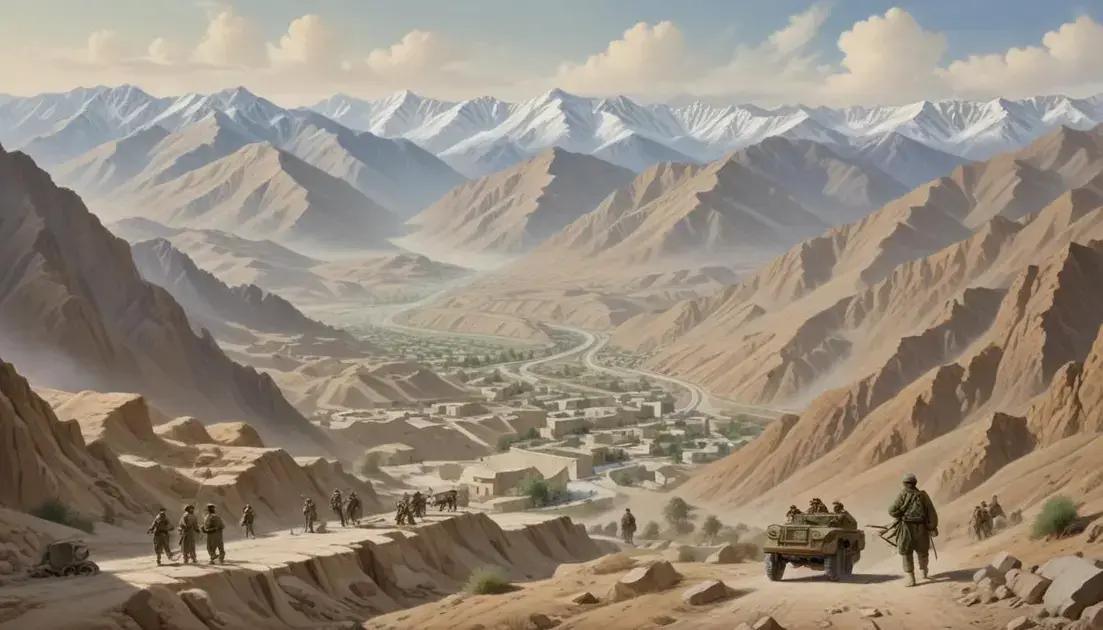
At first, the Soviets thought they would quickly defeat the rebels. However, they underestimated the determination of the Afghan fighters. These fighters, also known as the Mujahideen, used their knowledge of the terrain to their advantage.
This invasion led to a long and brutal conflict. Over the years, the situation became more complex. Various factions emerged, and foreign powers started to take sides. The United States began to support the Mujahideen, seeing the war as a chance to weaken the Soviet Union.
As the war dragged on, the Soviet troops faced numerous challenges. They struggled with guerrilla tactics and harsh weather conditions. Many soldiers were unprepared for the rugged mountains and the fierce local opposition.
The invasion sparked a humanitarian crisis as millions fled the country. Refugees poured into neighboring countries, creating a massive outbreak of suffering. The world watched as the conflict unfolded, raising concerns about civil rights and the impact on the Afghan people.
Ultimately, the Soviet invasion proved costly. It drained the Soviet economy and contributed to the eventual collapse of the Soviet Union. Afghanistan remained a battleground, leaving a legacy of conflict and instability.
Emergence of Islamic Resistance
The emergence of Islamic resistance in Afghanistan began shortly after the Soviet invasion. Local fighters, known as the Mujahideen, were united by a common goal. They wanted to defend their land and culture from foreign invasion.
Initially, these fighters were not highly organized. However, they quickly adapted their tactics. They utilized guerrilla warfare, which means they attacked suddenly and disappeared into the landscape. This made it hard for Soviet forces to defeat them.
Many Afghans joined the Mujahideen for various reasons. Some were motivated by religion, while others wanted to protect their homes. This mix helped strengthen their resolve against the invaders.
Support from outside nations played a significant role. Countries like the United States and Pakistan provided weapons, training, and funding. This support allowed the Mujahideen to grow in strength and effectiveness.
As time went on, the Mujahideen became better organized. They formed several key groups, each with different leaders. Despite their differences, they all fought against the common enemy—the Soviet troops.
The struggle of the Mujahideen inspired many across the Muslim world. Their fight was seen as a resistance against oppression. This created a sense of solidarity among Islamic groups globally.
Throughout the 1980s, the Mujahideen continued to fight fiercely. Their resilience led to significant losses for the Soviet forces. Eventually, this resistance contributed to the Soviets’ decision to withdraw in 1989.
Impact on the Soviet Union
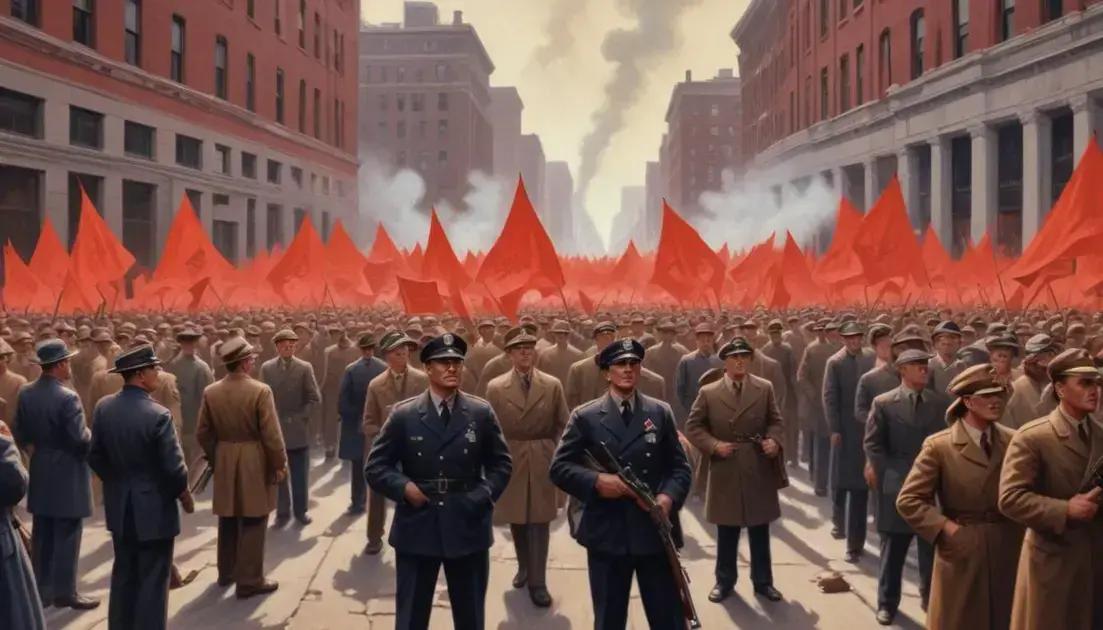
The impact on the Soviet Union from the Afghanistan War was significant and far-reaching. This conflict drained resources and strained the economy. The war lasted almost a decade, costing thousands of lives.
Initially, the Soviet government believed they would have a quick victory. However, the prolonged fighting led to rising discontent among the population. Many people questioned the reasoning behind the invasion.
The loss of soldiers and wealth created a sense of hopelessness. Families were torn apart, and the public grew weary of the government. The Soviet media tried to cover up these issues, but people still felt the effects.
As the war dragged on, international criticism increased. Many countries condemned the Soviet invasion, viewing it as an act of aggression. This damaged the Soviet Union’s reputation and relationships with other nations.
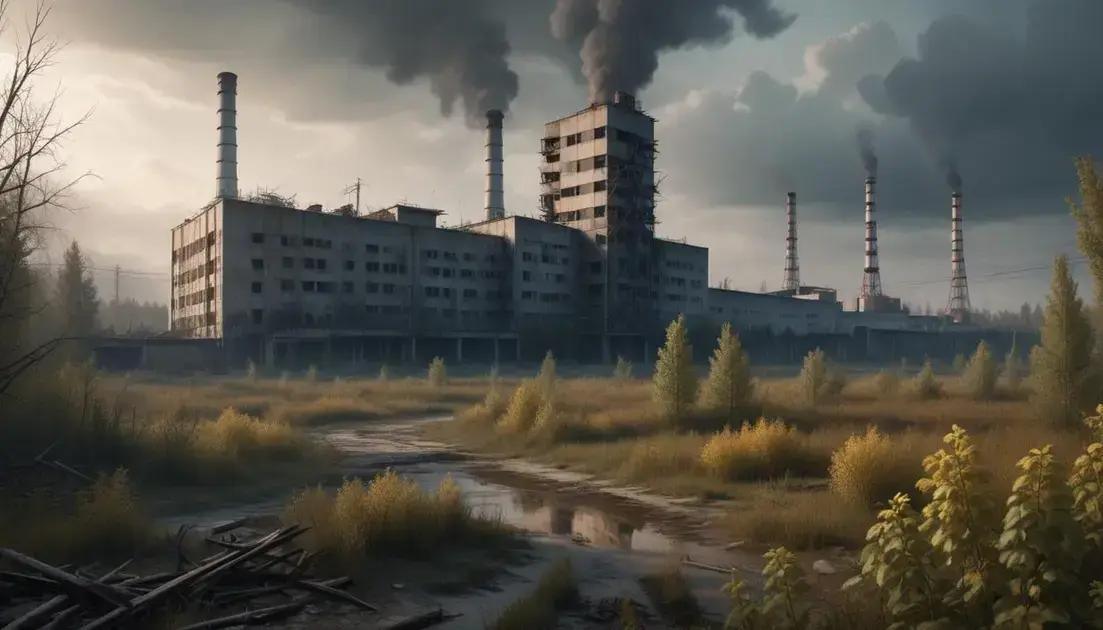
The financial burden also contributed to economic decline. Resources that could have been spent on domestic needs were redirected to support the war effort. This led to shortages and struggles in daily life for many Soviet citizens.
Ultimately, the consequences of the Afghanistan War played a part in the collapse of the Soviet Union. By the late 1980s, public trust in the government had eroded. As a result, various republics sought independence, leading to the end of Soviet control.
Global Reactions and Consequences
The global reactions to the Soviet invasion of Afghanistan were swift and intense. Many countries condemned the invasion as an act of aggression. Western nations, especially the United States, saw it as an escalation of the Cold War.
The U.S. responded by supporting the Mujahideen, offering money and weapons. This support aimed to counter Soviet influence and promote resistance. The CIA played a key role in this effort.
Other countries joined in the criticism but reacted differently. Some nations, like Pakistan, provided direct support to Afghan fighters. They helped create training camps and supplied arms to the rebels.
At the same time, some countries maintained ties with the Soviet Union. They viewed the invasion as a necessary step to protect communist interests. This caused strain in international relations, dividing nations based on their views of the conflict.
The United Nations also reacted strongly, calling for a withdrawal of Soviet troops. Many member countries supported resolutions criticizing the invasion and urging peace talks. However, these efforts yielded little immediate success.
The invasion also fueled a rise in Islamic movements globally. As Afghanistan became a symbol of resistance, many saw it as a cause worth supporting. This led to increased recruitment for jihadist groups in different regions.
Overall, the global reactions set the stage for a prolonged conflict. The consequences affected not just Afghanistan but also countries around the world. The war’s legacy would resonate deeply in international relations for years to come.
Legacy of the Afghanistan War
The legacy of the Afghanistan War is complex and far-reaching. This conflict left deep scars in Afghanistan and beyond. After the Soviets withdrew, Afghanistan faced years of civil war. Different factions fought for control, leading to widespread suffering.
Many Afghan people became refugees, fleeing to neighboring countries. Others were displaced within their own borders. The long conflict disrupted lives, families, and communities.
The war also had global implications. It marked a turning point in the Cold War. The U.S. saw an opportunity to challenge Soviet power. This laid the groundwork for future conflicts in the region.
Islamic movements grew stronger during and after the war. The Mujahideen’s fight became a symbol of resistance. This inspired other groups across the globe. Some took the concept of jihad in new directions, leading to extremism.
Moreover, the legacy continues to shape Afghanistan today. Problems like political instability, insecurity, and poverty still affect the country. Many areas are still struggling to recover from years of conflict.
The war also highlighted the limits of military intervention. The Soviet Union learned hard lessons from their involvement. Similarly, these lessons remain relevant for nations that engage in conflicts today.
In essence, the legacy of the Afghanistan War is a reminder. It teaches us about the dangers of foreign intervention and the enduring impacts of identity, culture, and conflict.
Conclusion
In conclusion, the Afghanistan War has left a profound impact on the country and the world. The lessons learned from this conflict remind us of the complexities of foreign intervention. It teaches us the importance of understanding local cultures and the consequences of prolonged warfare.
The legacy of this war continues to shape Afghanistan’s future. The struggles of its people underscore the need for support and rebuilding efforts. As we reflect on the past, we must recognize the resilience of the Afghan people.
Looking ahead, it is crucial to promote peace and stability in the region. By learning from history, we can make more thoughtful decisions in the future. Ultimately, this conflict highlights the intertwined fates of nations and the lasting effects of struggle and resistance.