Arms Race: The Atomic Fear That Dominated the 20th Century
The arms race between the USA and USSR during the Cold War had profound effects on global security, public psychology, and international relations. This competition led to massive military spending, environmental damages from nuclear testing, and a culture of fear among civilians. Key lessons for future generations include the importance of diplomacy, education about nuclear risks, and the role of treaties in preventing conflict. Understanding this history is vital to fostering a peaceful future and avoiding the mistakes of the past.
Nuclear Arms have shaped our history in profound ways, especially during the Cold War. But how did this fear influence politics and society? Let’s explore!
The Historical Context of the Nuclear Arms Race
The Nuclear Arms Race began after World War II. It was a struggle mainly between the USA and the USSR. Each side wanted to show it was stronger, and that led to big changes.
In the late 1940s, both countries started developing atomic bombs. The fear of the other nation often drove these actions. This fear led to a series of tests and stockpiling of weapons. The idea was to prevent attack by having a powerful weapon.
Early Developments
After the bombings of Hiroshima and Nagasaki, the world saw the destructive power of nuclear weapons. It shocked many, but it also created a race to build more powerful bombs.
Political Tensions
The Cold War added fuel to the fire. Distrust and competition made both sides anxious. Leaders believed that having more bombs meant greater safety. They thought it would keep peace through strength.
The Arms Race Peaks
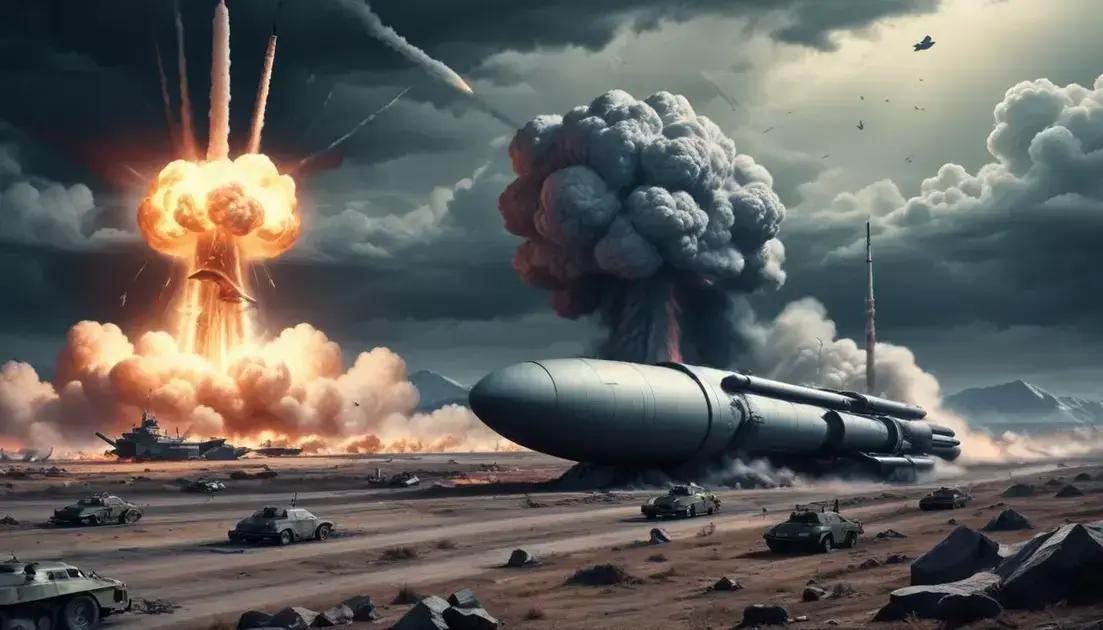
By the 1960s, both nations had thousands of nuclear weapons. There were also new technologies coming into play. Missiles became more advanced, and the threat of mutual destruction loomed large.
The Global Impact
This arms race impacted countries around the world. Many nations felt the pressure to keep up. Others pushed for a reduction in weapons, leading to treaties. These treaties aimed to limit the spread of nuclear arms and bring more stability.
Understanding this historical context helps us see how we got to today. The legacy of the nuclear arms race still affects global politics and safety concerns.
Key Players: USA vs. USSR
The Key Players in the nuclear arms race were the USA and the USSR. These two superpowers were always on edge. They competed fiercely for military might and global influence.
The USA was the first to develop atomic weapons. In 1945, they dropped bombs on Japan. This event shocked the world and set off the arms race. The USA believed that having advanced weapons would keep them safe.
The USSR quickly followed. They tested their first atomic bomb in 1949. This created a huge stir. It made the USA realize they now had a rival with similar power.
Military Strategies
Both nations had different military strategies. The USA often focused on technology and air power. They aimed for a strong deterrent to prevent attacks.
The Role of Leaders
Leaders played a big role in shaping policies. Presidents and Soviet leaders made critical decisions. Their orders changed the course of history. Cold War tensions grew, leading to more weapons.
Alliances and Influence
Other countries formed alliances based on these two powers. NATO, led by the USA, aimed to counter Soviet influence. The Warsaw Pact formed as a reaction with the USSR leading the charge. Each alliance created a divide that affected global politics.
Understanding these key players gives us insight into the arms race. The actions of the USA and USSR shaped international relations deeply.
The Psychological Impact of Atomic Fear
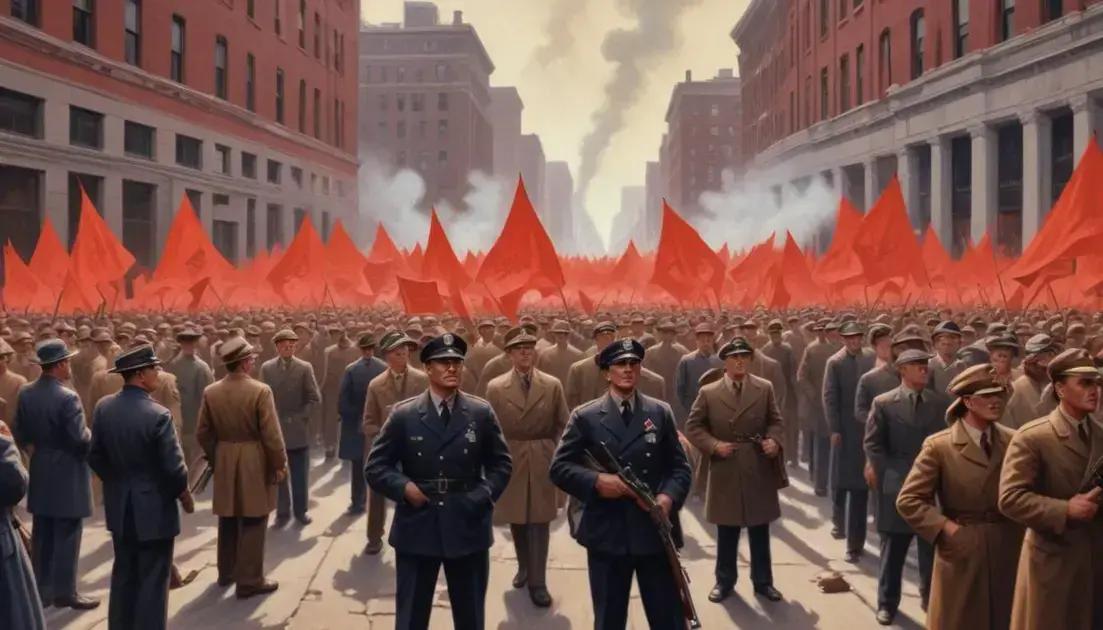
The Psychological Impact of Atomic Fear during the Cold War was profound. Many people lived with constant anxiety about nuclear war. This fear affected daily life in ways that are hard to understand.
Children practiced drills in schools, hiding under desks. Families often stocked up on supplies, just in case. The threat of a nuclear attack changed how people viewed safety and security.
Media Influence
Movies and news stories also played a role. Films depicted horrific nuclear scenarios, which heightened fears. Documentaries showed the real dangers of atomic bombs, making the threat feel closer and more real.
Societal Effects
Communities often came together to discuss fears. Groups formed to promote peace and denuclearization. Many people wanted to raise awareness about the dangers of nuclear weapons, believing that knowledge could help reduce fear.
Some individuals felt helpless. They believed that no matter what they did, a nuclear war could happen. This sense of powerlessness led to stress, anxiety, and other mental health issues.
Long-term Consequences
The impact of atomic fear has lasted beyond the Cold War. Today, issues like global warming and terrorism remind people of similar fears. Understanding this psychological impact helps make sense of our reactions to threats.
Consequences of the Arms Race
The Consequences of the Arms Race were significant and far-reaching. The Cold War created an atmosphere of tension and fear that changed many aspects of life.
First, governments spent enormous amounts of money on weapons. This funding often came at the expense of social programs. Many people felt the impact in their daily lives.
Environmental Effects
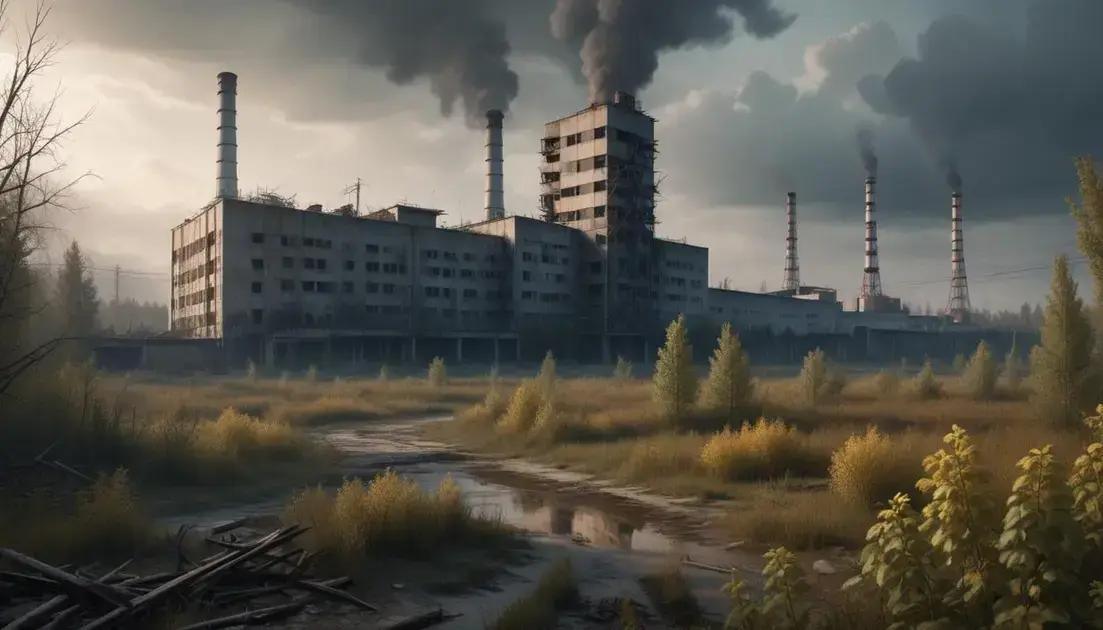
Testing nuclear weapons had environmental consequences too. Many tests were conducted underground or in the atmosphere, which harmed ecosystems and added radioactive materials to the environment.
International Relations
The arms race affected international relations greatly. It created a divide between countries. Nations felt pressured to either develop their nuclear capabilities or rely on allies for protection.
Many peace treaties were signed in an attempt to curb the arms race. These agreements aimed to limit the number of nuclear weapons and promote safety. However, trust between nations was often fragile.
Psychological Impact
Nations lived under the constant threat of nuclear war. This fear had psychological effects on people everywhere. Anxiety and stress became common as citizens worried about potential attacks.
Overall, the arms race left a legacy that still influences today’s politics and global security. Understanding these consequences helps us learn from the past.
Lessons for Future Generations
The Lessons for Future Generations from the arms race are crucial for understanding global security. History teaches us about the dangers of excessive militarization and fear.
First, we must learn the importance of diplomacy. Talking things out can lead to peace. Open dialogue helps reduce misunderstandings between nations.
Understanding Consequences
Future generations should understand the consequences of the arms race. It affected millions of lives and shaped world politics. Reflecting on these outcomes can guide better decision-making.
Importance of Treaties
Treaties play a key role in maintaining peace. Agreements like the Nuclear Non-Proliferation Treaty help limit the spread of nuclear weapons. Supporting and strengthening such agreements is vital.
Encouraging Education
Education about nuclear weapons and their impact is important. Schools should teach students about the risks and history of the arms race. Awareness can inspire future leaders to prioritize peace.
By learning from the past, we can work towards a safer and more peaceful world. The lessons of the arms race remind us to value dialogue and cooperation.
Conclusion
In conclusion, the arms race of the Cold War has taught us vital lessons for the future. Understanding the effects of nuclear weapons is crucial to prevent history from repeating itself. It’s clear that communication and diplomacy are essential to keeping peace.
Education about the past helps us comprehend the importance of treaties and international cooperation. By studying what happened, we can work to ensure a safer world. Future generations must remember that collaboration is always better than conflict. The lessons learned from the arms race are invaluable as we strive for global harmony.
Tags: