Athens vs Sparta: the war that destroyed Greece
The Peloponnesian War was a significant conflict in ancient Greece between Athens and Sparta, lasting from 431 to 404 BC. This war illustrated the dangers of pride and ambition, leading to severe consequences for both city-states. It highlighted the importance of unity among Greek cities to prevent division and vulnerability. Additionally, the war’s impact on society was profound, resulting in loss and suffering. Strong leadership emerged as a crucial factor during this struggle, demonstrating the potential for guiding people through challenges. Overall, the conflict offers valuable lessons in power dynamics, societal impact, and the necessity for collaboration.
Ancient Greece was a civilization of remarkable achievements, but it was also a battlefield. The war between Athens and Sparta changed everything. Curious about how?
The rise of Athens
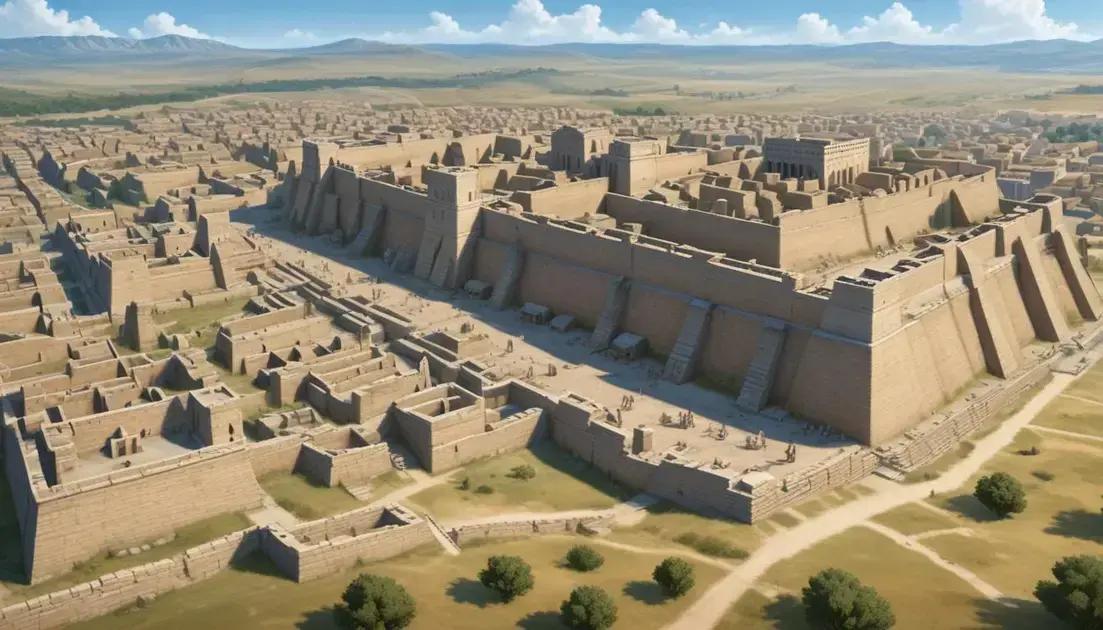
The rise of Athens marked a significant chapter in ancient Greek history. Athens became famous for its art, philosophy, and democracy. This city was not just a military power; it was a cultural beacon.
Athens and Democracy
One of Athens’ most notable achievements was the introduction of democracy. Citizens had the right to vote and participate in decisions. This was revolutionary! It gave voice to ordinary people.
The Cultural Flourishing
Athens is also known for its incredible cultural thriving. Think of philosophers like Socrates and Plato who shaped thought for centuries. Plays and art flourished here, with festivals celebrating creativity.
The Powerful Navy
Athens built a strong navy that played a crucial role in its rise. This force defended the city and expanded its influence. Control of the seas helped Athens to become rich through trade.
Athens’ wealth allowed it to create magnificent structures, including the Parthenon, symbolizing its greatness. People from all over came to see its beauty. Overall, the rise of Athens changed the course of Greek history.
Sparta’s militaristic society
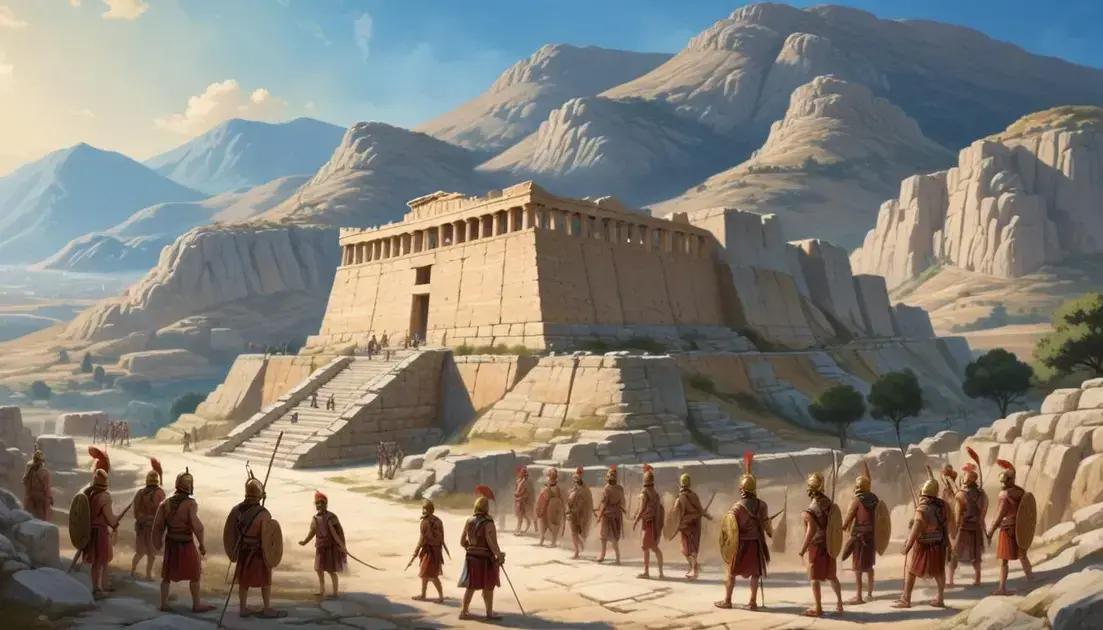
Sparta was known for its strong militaristic society. From a young age, boys were trained to become soldiers. This strict training was called the agoge.
Life in Sparta
Life in Sparta revolved around discipline and strength. Citizens were expected to be brave and skilled in battle. Families often sacrificed comfort for military training.
Women in Sparta
Interestingly, Spartan women had more freedoms than in other Greek cities. They were encouraged to stay fit and could own property. This helped them raise strong sons.
The Role of Slaves
Sparta relied heavily on slaves, called helots. Helots worked the fields, allowing Spartan men to focus on training. This created a unique social structure where the military elite ruled over a large enslaved population.
Sparta’s emphasis on military readiness shaped its identity. The motto “Come back with your shield or on it” captures their fighting spirit. This belief drove Spartans to face challenges head-on and maintain their strength.
The Peloponnesian War
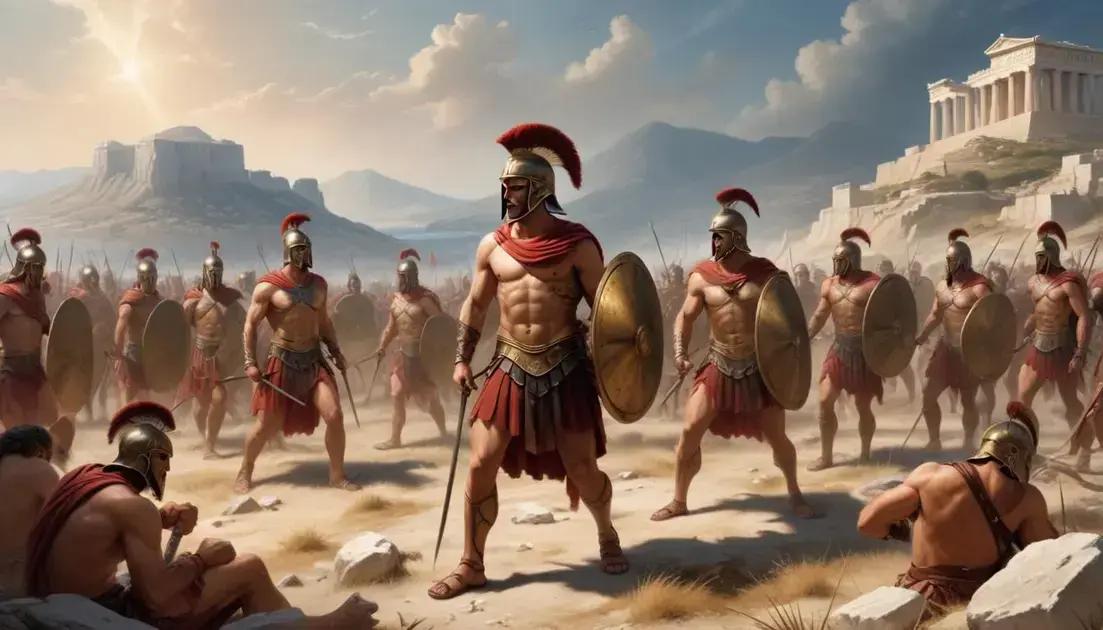
The Peloponnesian War was a major conflict in ancient Greece. It lasted nearly thirty years, from 431 to 404 BC. The war was mainly fought between two powerful city-states: Athens and Sparta.
Causes of the War
The war began due to rising tensions. Athens had grown rich and powerful, which threatened Sparta. Trade disputes and political rivalries increased hostilities. The situation grew worse, leading to open conflict.
Key Battles
During the war, several key battles shaped its outcome. Notable battles included the Battle of Syracuse and the Battle of Aegospotami. Each side sought to gain the upper hand through strategy and sheer force.
The Role of Allies
Both Athens and Sparta had alliances. Athens led the Delian League, while Sparta led the Peloponnesian League. These alliances brought more city-states into the war, making it even bloodier and more complex.
The conflict took a heavy toll on both sides. Many lives were lost, and cities were destroyed. In the end, Sparta emerged victorious, ending Athens’ golden age and shifting the balance of power in Greece.
Consequences for Greek culture
The consequences of the Peloponnesian War were vast for Greek culture. The end of the war marked a shift in power among the Greek city-states. This turbulence deeply affected art, philosophy, and societal values.
Impact on Philosophy
Before the war, Athens was the center of philosophy. However, the war’s devastation led thinkers to question traditional values and beliefs. New ideas emerged, focusing on human nature and society’s flaws.
Changes in Art
Art also evolved during this period. The conflict inspired a wave of dramatic works. Artists began to explore themes of tragedy and human suffering. This shift reflected the harsh realities faced by the people.
Decline of Athenian Power
With Athens weakened, its influence on culture declined. Other city-states began to rise, promoting their own traditions. This diversification enriched Greek culture but also diluted Athenian dominance.
Overall, the Peloponnesian War changed the course of Greek history. While it ended an era for Athens, it opened doors to new cultural expressions across Greece.
Lessons from the conflict
The Peloponnesian War teaches us important lessons about power and conflict. First, it shows how pride and ambition can lead to downfall. Both Athens and Sparta were strong but not invincible.
Value of Unity
This war highlights the need for unity among city-states. When divided, they were weakened. Working together could have brought lasting peace and stability.
Consequences of War
The war had devastating effects on society. It caused loss of life, property, and hope. Understanding these impacts is crucial for preventing future conflicts.
Human Nature and Leadership
Leadership matters greatly during conflicts. Poor decisions by leaders resulted in suffering for many. Good leadership can inspire and guide people through tough times.
In summary, the Peloponnesian War reminds us that power comes with risks. We must learn from these lessons to build a better future.
Conclusion
In conclusion, the story of the Peloponnesian War teaches us valuable lessons about conflict and power. It highlights how ambition and pride can lead to great downfall. Both Athens and Sparta, despite their might, faced severe consequences.
Furthermore, it shows the importance of unity among city-states. When divided, they became vulnerable to defeat. The war also reminds us of the devastating effects conflict has on society, as it leads to loss and suffering.
Lastly, strong leadership during tough times is crucial. Good leaders can inspire people and guide them through challenges. By learning from the past, we can work toward a future that values peace and collaboration over rivalry.