Atomic Tests: Hidden Power and Destruction
Nuclear testing has severe environmental impacts, changing landscapes, and contaminating water sources with lasting radiation effects. Politically, it reshapes international relations, prompting arms races and treaties like the Nuclear Non-Proliferation Treaty (NPT). Future implications emphasize the necessity for global cooperation on disarmament and the pursuit of safety, as countries navigate these complex legacies towards a peaceful tomorrow.
Welcome to our exploration of Atomic Tests, where we dive into the hidden powers and destruction they wrought. Have you ever wondered how these tests shaped our world?
Understanding Atomic Tests
Understanding Atomic Tests helps us see their impact better. These tests were done to check the power of nuclear weapons. They happened both underground and in the air. Many countries have taken part in these tests. This practice raises serious questions about safety and the environment.
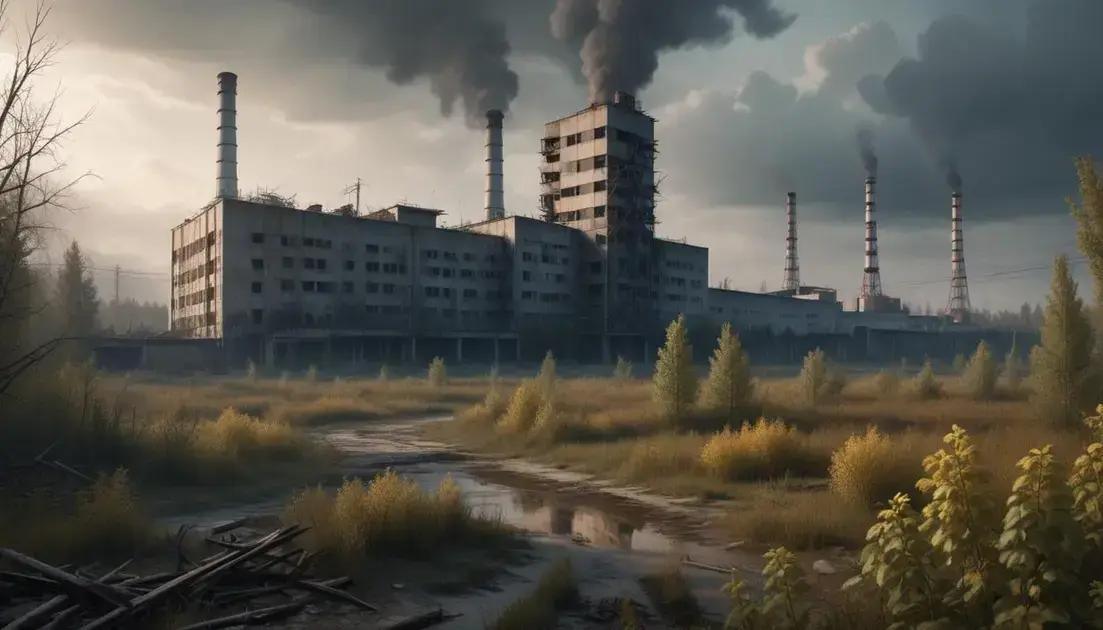
When we think about atomic tests, we should know that they were more than just explosions. They changed landscapes and harmed local wildlife. After these tests, many areas became unsafe for living things. The pollution left behind can last for years.
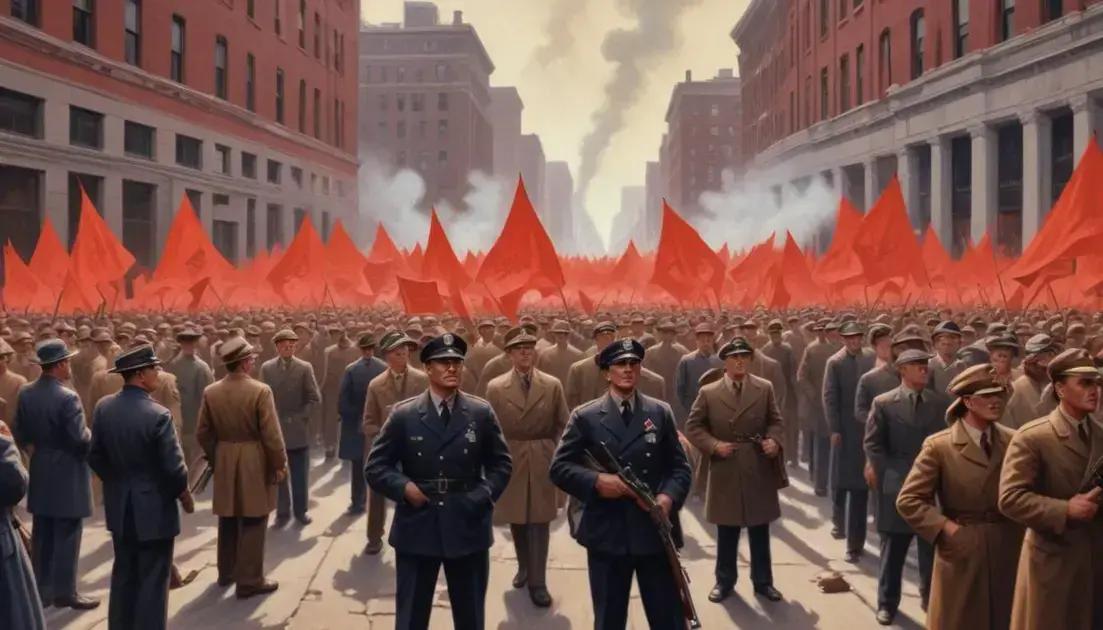
Atomic tests also had big political effects. They changed how countries see each other. Some nations felt stronger, while others felt threatened. This led to new laws about nuclear weapons. Many countries signed treaties to stop the testing. But not all countries followed these rules.
Today, understanding atomic tests matters. It helps us think about the risks of nuclear weapons. As we look back, we can learn lessons for the future. How can countries work together to ensure safety and peace?
Environmental Impacts of Nuclear Testing
Environmental Impacts of Nuclear Testing are significant and wide-reaching. When nuclear tests happen, they can harm the land and water around them. The explosions can create large craters in the ground. These craters can change local ecosystems.
One major impact is radiation. After a test, radioactive particles can spread through the air and soil. This radiation can last for many years. Plants and animals can absorb these harmful materials. This makes them unsafe for people and wildlife.
Water sources can also be affected. Testing can cause contamination of rivers and lakes. This means that drinking water can become unsafe. Additionally, local fisheries can suffer. Fish might carry toxins, putting both wildlife and humans at risk.
Another issue is habitat loss. Nuclear tests can destroy homes for many animals. After a blast, it can take years for habitats to recover. Some species may even face extinction because they lose their homes.
Overall, the environmental effects of nuclear testing are serious. It’s important to understand these impacts. Protecting our planet must come first, and recognizing these dangers is the first step.
The Political Legacy of Atomic Weapons
The Political Legacy of Atomic Weapons is complex and far-reaching. When atomic weapons were first used, they changed global politics. Countries started to see power differently. Nations with nuclear arms gained more influence on the world stage.
After World War II, the arms race began. The United States and the Soviet Union quickly focused on building more weapons. This made them both stronger, but it also led to fear. Many nations worried about the possibility of a nuclear war.
Political alliances shifted, too. Countries began forming groups based on their nuclear status. Some nations wanted to develop their own weapons. Others pushed for disarmament and treaties to limit nuclear arms.
One key moment was the Nuclear Non-Proliferation Treaty (NPT). This agreement aimed to prevent more countries from developing nuclear weapons. It also sought to promote peaceful uses of nuclear energy.
Even today, the legacy of atomic weapons affects politics. Disputes over disarmament continue. Countries still debate how to manage the risks of nuclear technology. This legacy reminds us that safety and diplomacy must go hand in hand.
Future Implications and Reflections
Future Implications and Reflections on nuclear testing are crucial for understanding our world today. As we look ahead, it’s vital to consider how these tests shape international relations. Countries still feel the effects of past nuclear activities.
One major implication is the ongoing concern about nuclear proliferation. Many nations are still trying to develop nuclear weapons. This creates tension and fear in many regions. Countries must work together to stop the spread of these dangerous technologies.
Another important point is environmental impact. The damage caused by testing can linger for generations. We need to think about how to heal the planet. Learning from past mistakes can help protect our future.
Public awareness is also key. Understanding the history of nuclear testing can lead to stronger advocacy for peace. When people know the facts, they are more likely to push for change.
Future policies must focus on disarmament and safety. Meeting the challenges of nuclear weapons requires cooperation among nations. Together, we can build a safer world for everyone.
Conclusion
In conclusion, understanding the impacts of nuclear testing is vital for our future. The environmental effects and political legacy remind us of the importance of cooperation. By reflecting on past actions, we can shape better policies today.
As nations work together, we must focus on peace and disarmament. The lessons learned from these tests show us the need to protect our planet and ensure safety for all. In the end, our commitment to a safer future depends on the choices we make now.