Battle of Tours: when Europe stopped an invasion
The Battle of Tours in 732 was a defining moment in European history, marking the halt of Islamic expansion into Western Europe. Charles Martel’s victory solidified the power of the Frankish kingdom and set the stage for future Christian unity in the region. This battle not only influenced military tactics but also shaped the cultural and religious identity of Europe, establishing a legacy that resonates through history.
The Battle of Tours marks a pivotal moment in history, symbolizing the stand of Europe against invaders. It’s a tale of valor and strategy, deeply intertwined with the fate of Christendom. Ready to dive in?
The lead-up to the battle
Before the Battle of Tours, tensions were rising in Europe. The expansion of Islamic territories was a real concern. Many wondered if they could invade and capture Europe.
In the 7th century, the Umayyad Caliphate was growing strong. They wanted to spread their influence far and wide. To many, this meant that Europe faced a threat. Armies were mobilizing, and leaders were preparing for conflict.
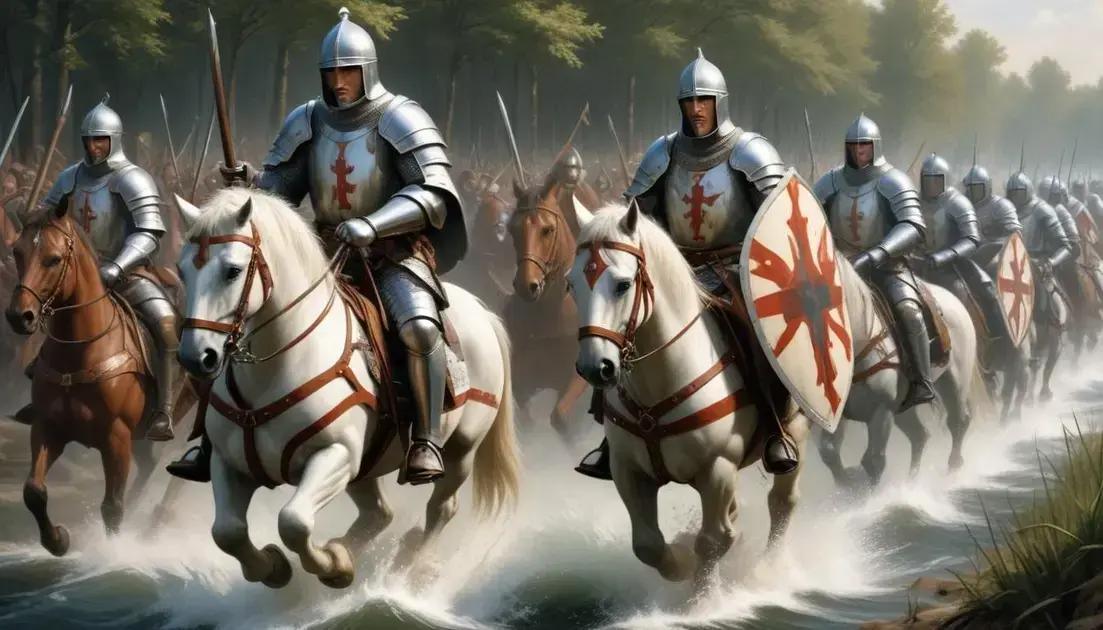
On the other hand, the Franks, led by Charles Martel, were ready to defend their land. They were skilled fighters and had powerful allies. The potential clash between these forces set the stage for a significant moment in history.
As both sides gathered their troops, rumors circulated about the strength of the enemy. Some felt a sense of fear, while others felt determination. Everyone knew that this battle could change the course of history.
With thousands of soldiers on both sides, the lead-up to the battle was full of anxiety and excitement. Allies were crucial, and strategies were planned. Would the Franks be able to stop the advancing Umayyad forces?
Key players and their motivations
In the Battle of Tours, key players shaped the outcome of this historic clash. On one side stood the Umayyad Caliphate, eager to expand its reach. They aimed to spread their faith and power across Europe.
Leading the Umayyad forces was Abd al-Rahman, the general with ambition. He wanted to conquer more lands and gain fame. He believed that victory would strengthen his position in the Muslim world.
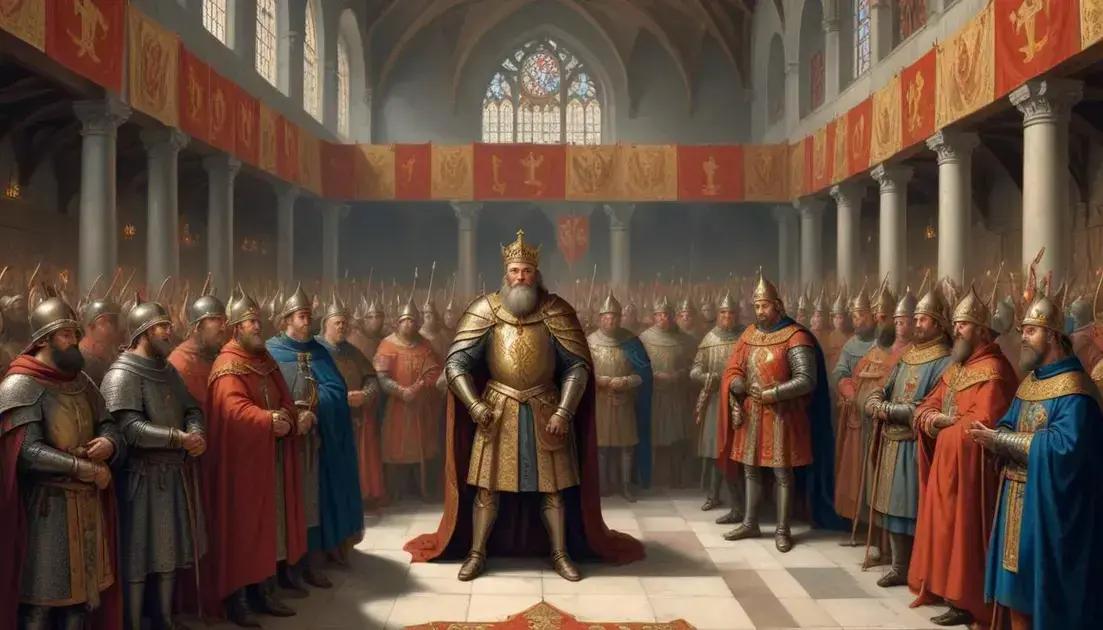
On the other side, Charles Martel, the leader of the Franks, was determined to protect his people. He knew that allowing invaders to win could change everything. He wanted to defend his kingdom and maintain control.
Charles saw the battle not just as a fight but as a fight for faith and freedom. He rallied his troops, emphasizing courage and unity. Together, they prepared to face a powerful enemy.
Both leaders had different ideas, but their goals ultimately led to a fierce struggle. This clash of motivations set the stage for one of history’s most significant battles.
The battle itself
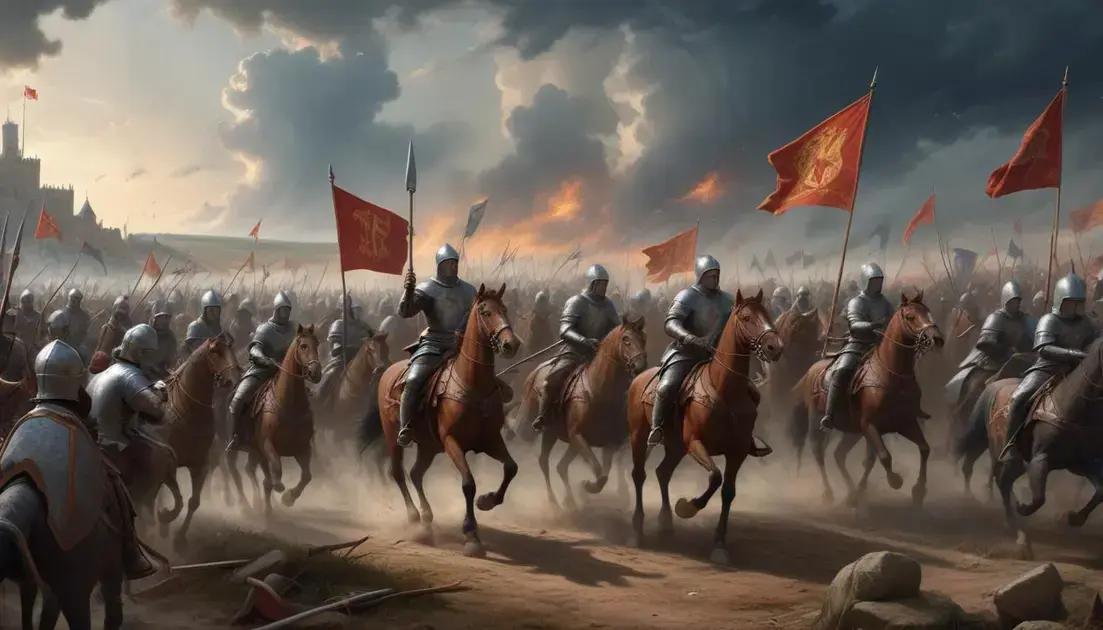
The Battle of Tours took place in 732 and was a fierce confrontation. It occurred near the town of Tours in France. On one side were the Umayyad forces, numbering around 20,000 men. On the other side, the Franks, led by Charles Martel, had about 15,000 soldiers.
As the battle began, both sides prepared for an intense fight. The Umayyads charged with their cavalry, aiming to break the Frankish lines. They were skilled horsemen and were used to quick strikes.
However, Charles Martel had a plan. He arranged his troops in tight formations to withstand attacks. His men stood firm, relying on their shields and heavy infantry to hold their ground. This strategy proved crucial.
The fighting was brutal. There were moments of confusion and chaos. Yet, the Franks held strong, showing great discipline. They knew they were fighting not just for land, but also for their way of life.
As the battle wore on, the tides began to turn. The Frankish troops pushed back against the Umayyad charges. Eventually, the Umayyad forces found themselves overwhelmed. Abd al-Rahman was killed, and the morale of his troops began to fade.
The Battle of Tours ended with a decisive victory for the Franks. This moment would change the course of European history.
Consequences for Europe
The Battle of Tours had significant consequences for Europe. It marked a turning point in the struggle between Christians and Muslims. The victory of the Franks prevented the spread of Islam into Western Europe.
After the battle, Charles Martel became a prominent figure. His success helped him gain power and influence. Many viewed him as a hero for protecting Christendom.
This battle also strengthened the Frankish kingdom. The victory united the local tribes under Martel’s leadership. It laid the foundation for the future Carolingian Empire.
Moreover, it changed military tactics in Europe. Armies began to adopt heavier infantry and more organized formations. This shift would play a critical role in future conflicts.
In addition, the battle established a cultural and religious divide. It reinforced the idea of Europe as a Christian land. This identity would shape the continent’s history for centuries.
Ultimately, the Battle of Tours influenced the course of European development. It set the stage for the Middle Ages and shaped the future of the region.
The legacy of the Battle of Tours
The Battle of Tours left a lasting legacy on European history. It marked the end of significant Muslim expansion into Western Europe. This moment helped shape the continent’s cultural and religious identity.
Moreover, the battle reinforced the power of the Frankish kingdom. Charles Martel’s victory set the stage for the rise of the Carolingian Empire. His descendants continued to build on this success.
Over time, this event influenced military tactics across Europe. The battle showcased the importance of heavier infantry and organized formations. Armies learned from Martel’s strategies in future conflicts.
Additionally, the Battle of Tours led to a stronger sense of Christian unity. It became a symbol of resistance against outside threats. This idea of defending Christianity shaped many future actions in Europe.
The legacy also included various cultural narratives. Tales of heroism and valor emerged, celebrating Frankish bravery. The battle remains a notable chapter in historical discussions about Europe.
Today, the Battle of Tours is often studied in history lessons. Its impact can still be felt in how we understand Europe today.
Conclusion
In conclusion, the Battle of Tours was a crucial moment in history. It shaped the future of Europe by stopping the spread of Islam into the continent. Charles Martel’s victory not only united the Franks but also laid the groundwork for the Carolingian Empire.
This battle taught important lessons about military tactics and defense. It became a symbol of religious unity and strength for Christians in Europe. The legacy of this battle continues to influence how we understand European identity today.
As we study the Battle of Tours, we see its lasting impact on culture, politics, and society. Understanding this event helps us appreciate the complexities of history and how it shapes our world.