Buzz Aldrin: the engineer who followed the stars
Buzz Aldrin is a legendary astronaut who became the second person to walk on the moon during the Apollo 11 mission in 1969. His early life included a strong educational background in military and aerospace fields, which paved the way for his significant contributions to space exploration engineering. Aldrin’s legacy continues to inspire future generations in STEM, emphasizing the importance of space travel and the pursuit of knowledge beyond our planet.
Meet Buzz Aldrin, a true pioneer in space exploration! His journey from a small boy with dreams of the stars to an astronaut is nothing short of inspiring. Want to know more about his incredible adventures?
Who is Buzz Aldrin?
Buzz Aldrin is one of the most famous astronauts in history. He was born on January 20, 1930, in Montclair, New Jersey. From a young age, he dreamed of flying and exploring the skies. Buzz graduated from the United States Military Academy at West Point and later served in the Air Force as a pilot.
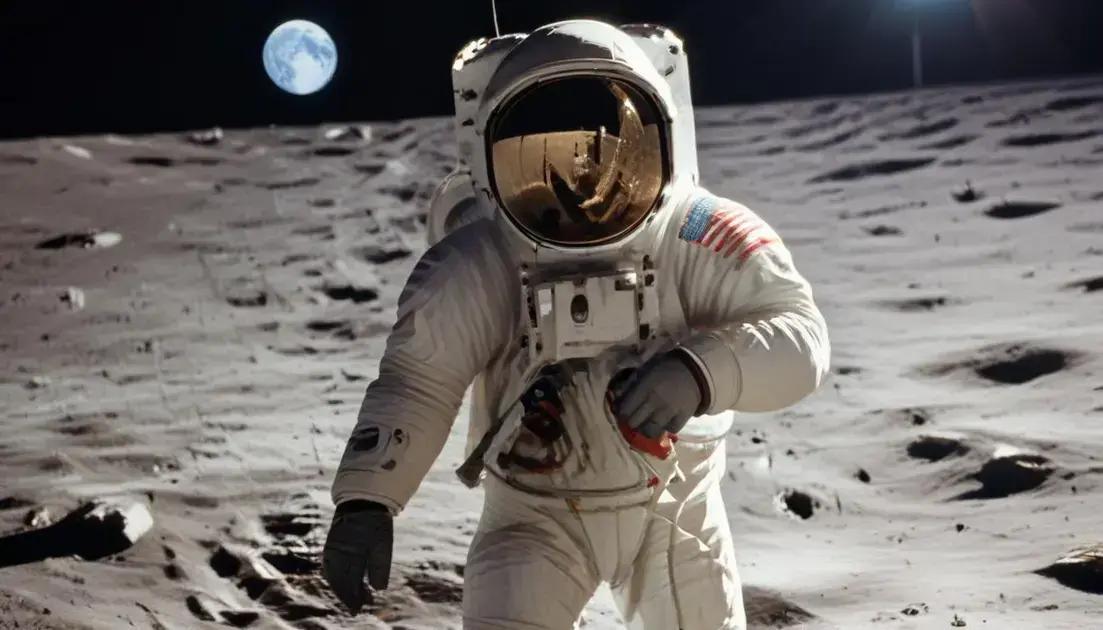
In 1963, he became an astronaut with NASA. His big moment came in 1969 when he flew on the Apollo 11 mission. He was the second person ever to walk on the moon, right after Neil Armstrong. Buzz wasn’t just a pilot; he was also the mission’s lunar module pilot.
During his time on the moon, Buzz conducted experiments. He took pictures, collected samples, and helped explore the lunar surface. After returning to Earth, he shared his experiences to inspire future generations. Buzz Aldrin is not just an astronaut; he is also an author and a speaker.
He has written books about his adventures and the importance of space travel. Buzz believes in pushing the limits of human exploration. Today, he continues to inspire people to dream big and look to the stars.
Early Life and Education
Buzz Aldrin was born in Montclair, New Jersey. He grew up in a loving family. His father was a military man, which sparked Buzz’s interest in flying. From a young age, Buzz dreamed of becoming a pilot. He loved being outdoors and exploring the world around him.
In high school, he excelled in math and science. These subjects helped him understand flight and space. After graduation, Buzz went to the United States Military Academy at West Point. He graduated in 1951 with a degree in mechanical engineering.
Following West Point, Buzz joined the United States Air Force. He became a fighter pilot and flew missions during the Korean War. His experiences in the Air Force strengthened his skills and passion for aviation.
After the war, he continued his education. Buzz earned a doctorate in astronautics from the Massachusetts Institute of Technology (MIT). His research focused on orbital rendezvous techniques. This knowledge became vital for future space missions.
Buzz’s early life and education built a solid foundation for his career as an astronaut. His dedication and skills led him to become part of historic space missions.
Apollo 11 Missions
The Apollo 11 mission was a historic event in space exploration. It launched on July 16, 1969. Buzz Aldrin was one of the three astronauts on board. The other two were Neil Armstrong and Michael Collins.
They traveled in a spacecraft called the Saturn V. This rocket was powerful and designed to take humans to the moon. After about four days of flying, they reached their destination. Buzz and Neil prepared to land on the lunar surface.
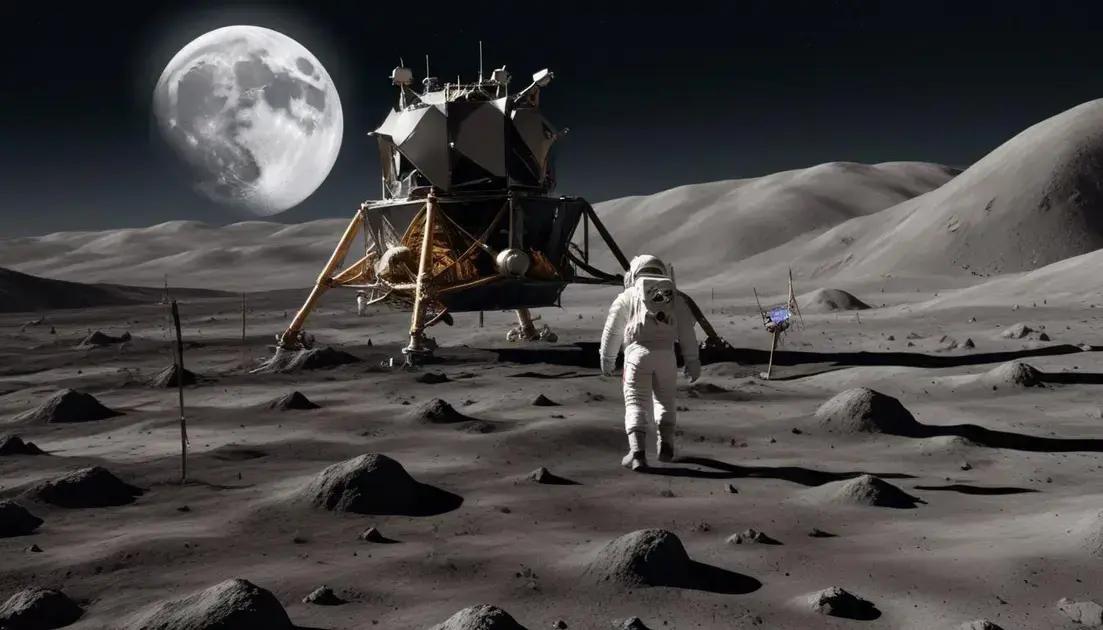
On July 20, 1969, the lunar module, called Eagle, separated from the command module. While Michael stayed in orbit, Buzz and Neil descended. They landed in a region called the Sea of Tranquility.
When they touched down, Buzz and Neil shared their excitement. Buzz was the second person to walk on the moon after Neil. They planted the American flag and collected samples of moon rocks and soil.
Buzz and Neil spent about two and a half hours on the moon’s surface. They conducted experiments and took many photos. The mission lasted a total of eight days, returning to Earth on July 24, 1969.
The success of Apollo 11 changed our view of space travel. Buzz Aldrin’s contributions were key to this remarkable achievement.
Contributions to Engineering
Buzz Aldrin’s contributions to engineering are impressive and impactful. After his Apollo 11 mission, he didn’t stop there. He worked hard to advance the field of space exploration. Buzz shared his knowledge and experience to improve future missions.
One of his key contributions was to the development of lunar landing technology. He helped design systems that allowed astronauts to safely land on the moon. His work made future lunar missions possible and safer.
Buzz also focused on the importance of human factors in space travel. He advocated for the well-being of astronauts during long missions. His studies helped shape training programs and needed support for future explorers.
After leaving NASA, Buzz continued to inspire innovation. He wrote books and gave talks on space exploration. His passion encouraged students and engineers worldwide to dream big.
Today, he remains a strong advocate for space exploration. Buzz believes we should push boundaries and reach for new frontiers. His engineering contributions have paved the way for future generations of explorers.
Legacy and Impact
Buzz Aldrin’s legacy is one of inspiration and achievement. His journey as an astronaut shows what humans can accomplish. He opened the door for future explorers and dreamers.
The impact of his work goes beyond space travel. Buzz has sparked interest in science and engineering in many young minds. He encourages students to pursue careers in STEM fields, which is essential for our future.
His stories from Apollo 11 still excite people today. They remind us of the importance of exploration. Buzz believes that venturing into space can lead to better understanding of our universe.
Beyond his missions, Buzz has advocated for continued space exploration. He supports NASA’s efforts to explore Mars and beyond. His vision for humanity’s future in space inspires us to keep looking up.
Buzz’s books and public speaking have also left a mark. He shares his experiences to educate and motivate others. His work encourages everyone to reach their goals, no matter how distant they may seem.
Conclusion
In conclusion, Buzz Aldrin’s journey is a powerful example of what we can achieve. His work on the Apollo 11 mission changed the world of space exploration. Buzz inspires us to follow our dreams and push boundaries.
The impact of his contributions continues to be felt today. By sharing his experiences, he encourages young people to explore careers in science and engineering. Buzz’s legacy reminds us that exploration is vital for our future as a species.
As we look toward the stars, let us remember Buzz’s words and actions. They remind us to aim high and never stop learning. With vision and determination, we too can make history. The future of space is bright, and we all have a part to play in it.