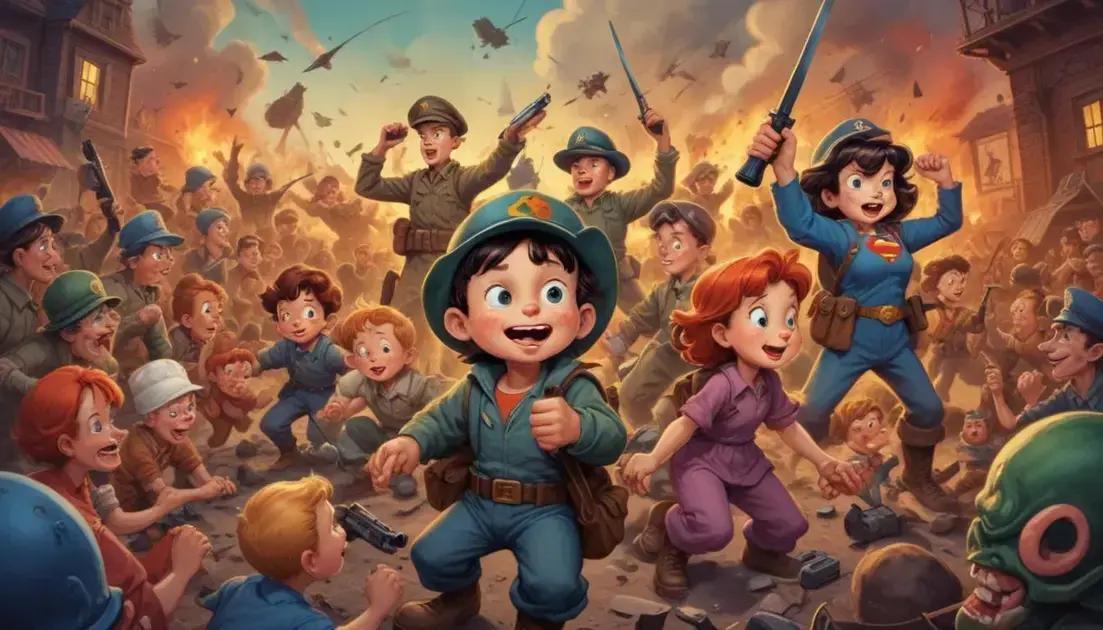
Cartoons that shaped a generation’s view of the enemy
Cartoons have a significant impact on children’s perceptions and societal values. They serve as powerful storytelling tools that convey lessons about friendship, courage, and empathy while also addressing complex topics like conflict and cultural differences. Through humor and relatable characters, animated stories engage young audiences, helping to create lasting memories and connections. Additionally, cartoons have been used historically as propaganda to shape public opinion, highlighting their role not just in entertainment but also in education and social commentary.
Cartoons have always played a critical role in shaping perceptions, even in children’s media. Ever wondered how these animated stories influence young minds? Let’s dive in!
The Role of Cartoons in Society
Cartoons have a big impact on society. They entertain, but they also shape ideas. Kids learn from what they see. When they watch cartoons, they see heroes, villains, and adventures. This can influence how they view the world.
Teaching Values Through Cartoons
Many cartoons teach important life values. They show friendship, honesty, and teamwork. For instance, when characters work together to solve problems, kids understand the importance of cooperation. Such messages stick with them as they grow.
Understanding Conflict and Peace
Cartoons often present stories of conflict and peace. They help kids grasp the idea of right and wrong. Through colorful characters, they can see what happens when people don’t get along. This can lead to questions about real-world issues.
Cultural Representation
Cartoons also introduce kids to different cultures. They reflect diverse backgrounds and traditions. This helps children learn about and respect others. Seeing different lifestyles on screens can promote understanding and acceptance.
Impact on Political Views
Some cartoons even comment on politics and society. They offer satire and humor, making serious topics easier to digest. By presenting these ideas in a fun way, cartoons can spark discussions among families.
Media’s Influence on Children’s Views
Media plays a huge role in shaping children’s views. From cartoons to movies, what kids watch can affect their thoughts and feelings. They often see strong messages about friendship, bravery, and fear in these stories.
Understanding Characters
Characters in media can influence how kids act. When children see heroes, they often want to be like them. This can teach them to stand up for what’s right. On the other hand, negative characters can show what not to do.
The Power of Storytelling
Storytelling is a powerful tool. It helps kids make sense of the world. When they watch stories about conflict, they may think about why things happen. This can lead to important life lessons.
Media and Social Norms
Media also sets social norms. Kids learn how to behave from what they see. For example, if characters show kindness, children may follow that example. This helps shape their understanding of right and wrong.
Commercial Influence
Advertising is another big part of media. Commercials often target children. They can create desires for toys, food, or clothes. Kids learn about consumer culture through these ads.
The Fear Factor in Animated Stories
Fear is a common theme in many animated stories. This can grab attention and keep kids interested. But why is fear used in cartoons?
Understanding Fear
Fear helps create excitement. It shows characters facing challenges and overcoming them. Kids often feel a thrill watching these moments. This can also teach bravery.
Lessons from Fear
Animated stories often use fear to teach important lessons. When a character faces scary situations, kids learn how to handle their own fears. They see that it’s okay to feel scared sometimes.
Balancing Fear and Humor
Many cartoons balance fear with humor. This can make scary parts less intense. Characters may react in funny ways to spooky events. This mix keeps the story fun and engaging.
Creating Empathy
Fearful moments can also build empathy. Kids learn to understand how others feel. When a character is scared, it helps children connect with them. It shows that fear is a common experience.
Cartoons as Propaganda Tools
Cartoons have been used as propaganda tools for many years. They can spread messages quickly and effectively. Through humor and creativity, cartoons can shape public opinion.
History of Propaganda Cartoons
In history, cartoons have been powerful during wars. They often show the enemy in a negative light. This can create strong feelings and rally support for a cause.
Using Humor to Influence
Cartoons often use humor to deliver serious messages. By making people laugh, they can help ideas stick. This method is engaging and memorable for audiences.
Targeting Specific Audiences
Creators design propaganda cartoons to target specific groups. They choose characters and stories that resonate with their audience. This makes the message more relatable and effective.
Impact on Society
These cartoons leave a lasting impact on society. They shape how people view issues and others. When cartoons provoke thought, they can inspire action.
The Legacy of Childhood Memories
Childhood memories play a big role in our lives. They shape who we are and how we see the world. Many of these memories come from cartoons and animated stories.
Importance of Nostalgia
Nostalgia is a powerful feeling. It brings back memories of simpler times. When we think of our favorite cartoons, we often feel happy.
Impact on Values and Beliefs
Cartoons can teach values. They show lessons about friendship, kindness, and bravery. These lessons stick with us as we grow up. They influence our beliefs and actions.
Creating Lasting Connections
Watching cartoons with family and friends creates bonds. These shared experiences become cherished memories. They give us stories to tell and laugh about later.
Continuing the Legacy
As adults, we might share these cartoons with the next generation. This keeps the memories alive. It helps children learn the same values that shaped us.
Conclusion
In conclusion, the influence of cartoons on society is undeniable. They not only entertain us but also shape our values and beliefs. From childhood memories to lessons in bravery and friendship, cartoons leave a lasting impact. They connect generations and help us share important messages.
As we continue to enjoy these animated stories, let’s remember their power to educate and inspire. By understanding the role of cartoons in our lives, we can appreciate the legacy they create. Ultimately, cartoons enrich our culture and help mold a kinder, more understanding world.