Charlemagne: the emperor who united medieval Europe
Charlemagne’s rule from 768 to 814 reshaped medieval Europe through significant reforms in education, governance, and law. He united various Germanic tribes, fostered the spread of Christianity, and laid the groundwork for future European unity. His legacy includes the Carolingian Renaissance, which revived art and culture, and a strengthened legal system that influenced modern Europe. By promoting trade and agricultural advancements, Charlemagne greatly enhanced the economy of his empire, leaving a lasting impact that resonates even today.
Charlemagne is a towering figure in history, known for uniting vast territories and implementing reforms that shaped medieval Europe. Curious about his journey?
The Rise of Charlemagne
The Rise of Charlemagne marks a crucial chapter in European history. Born in 742, he was the son of Pepin the Short. When Pepin died, Charlemagne took the throne of the Frankish Kingdom. At first, he shared power with his brother, Carloman. However, Carloman’s sudden death left Charlemagne as the sole king.
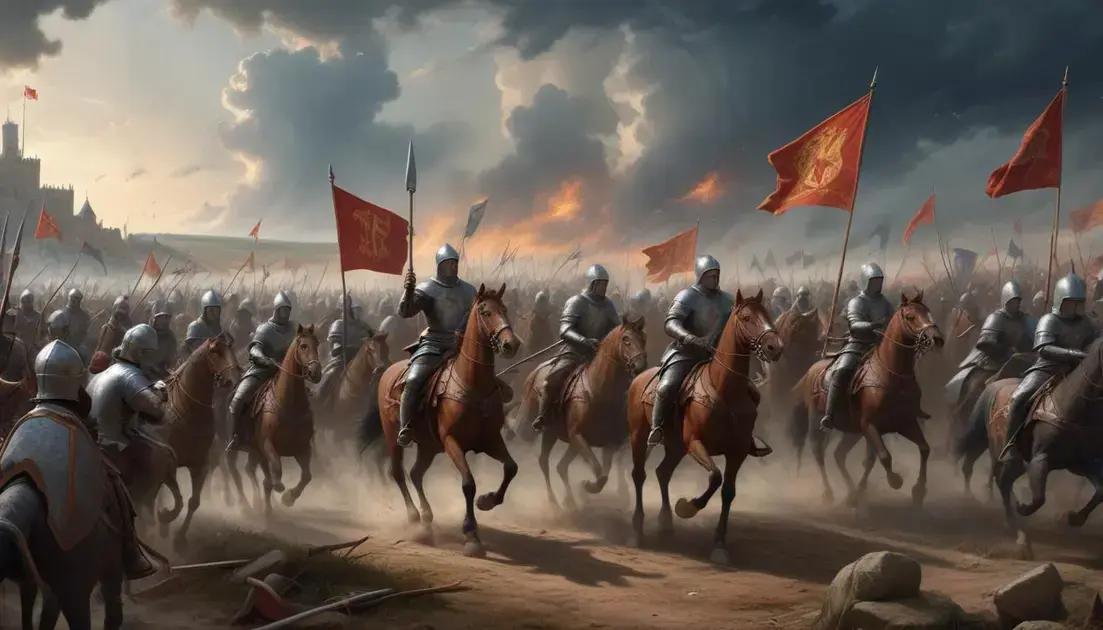
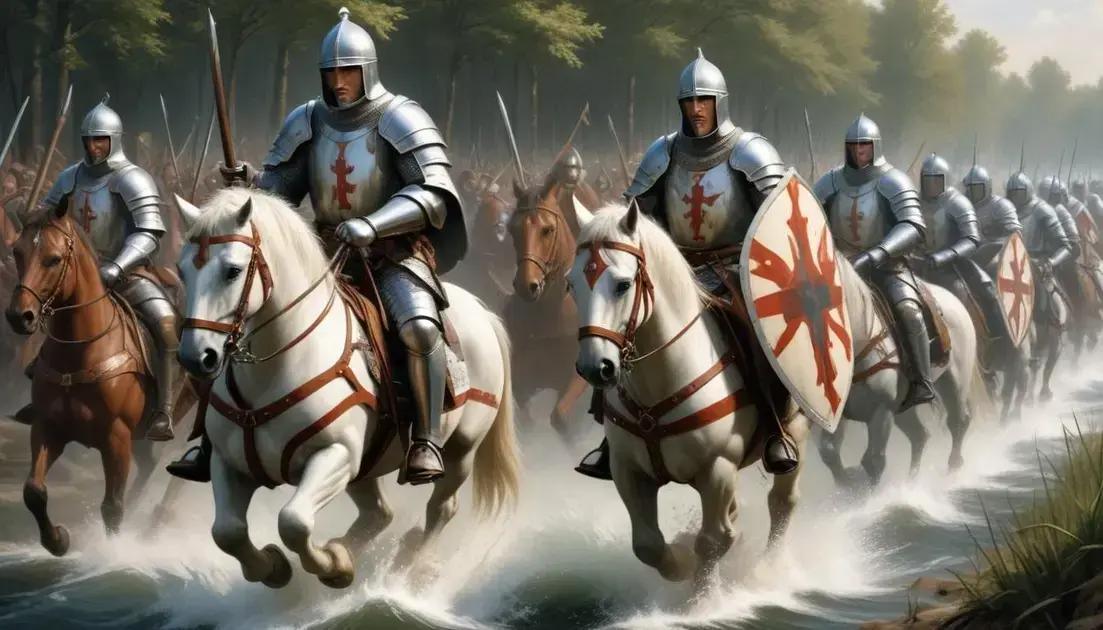
Charlemagne worked hard to expand his territory. He fought many battles against neighboring tribes and regions. His goal was easy to see: unite all the Germanic tribes under one rule. By the late 8th century, Charlemagne controlled modern-day France, Germany, and parts of Italy and Spain.
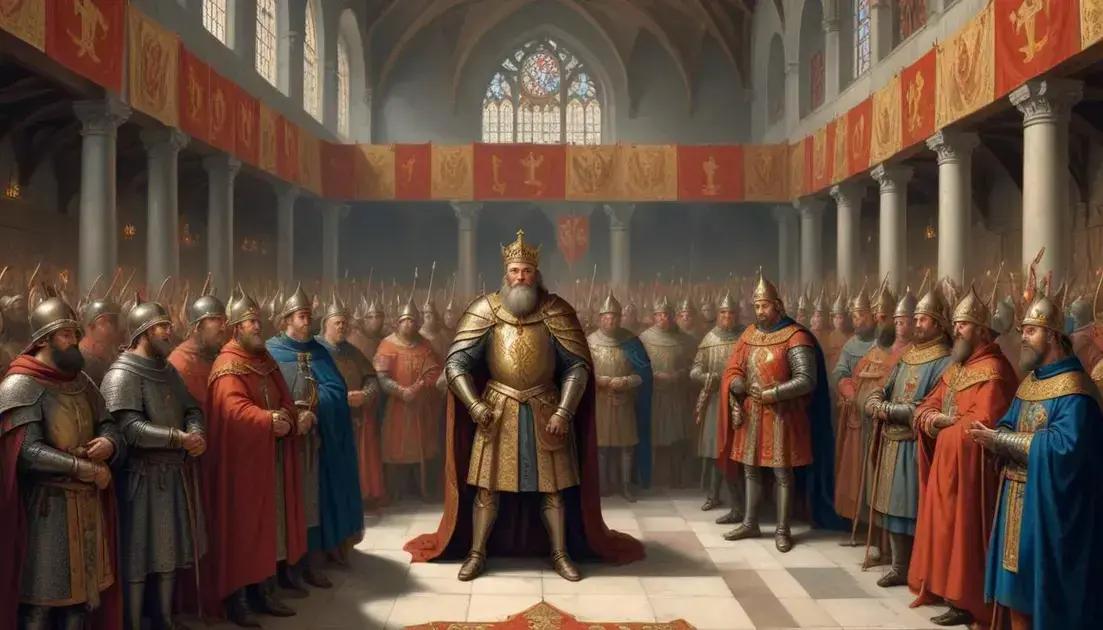
In 800, a key moment happened. Charlemagne was crowned Emperor by Pope Leo III on Christmas Day. This act symbolized a connection between the church and the state. It showed that he was not just a king but a ruler backed by divine authority.
Charlemagne so believed in education and culture, too. He started a movement known as the Carolingian Renaissance. Monasteries became centers for learning and preserving ancient texts. It helped spark a revival of art, religion, and culture. This effort showed his desire to create a more unified empire.
His leadership style focused on local governance. He appointed counts to manage regions, letting them keep some power while still answering to him. This system created stability and loyalty within his lands.
His Reforms and Impact
His Reforms and Impact shaped not just a kingdom but also a legacy. Charlemagne introduced many reforms that improved society. He focused on education, law, and the economy. One of his main goals was to create a more organized government.
Charlemagne believed in learning. He established schools throughout his empire. Monks and clerics were often teachers. They copied ancient texts to keep knowledge alive. This way, culture and education thrived during his reign.
He also reformed the legal system. Charlemagne made laws that were easier to understand. His laws aimed to protect the weak and punish wrongdoers. He believed that strong laws helped create a fair society.
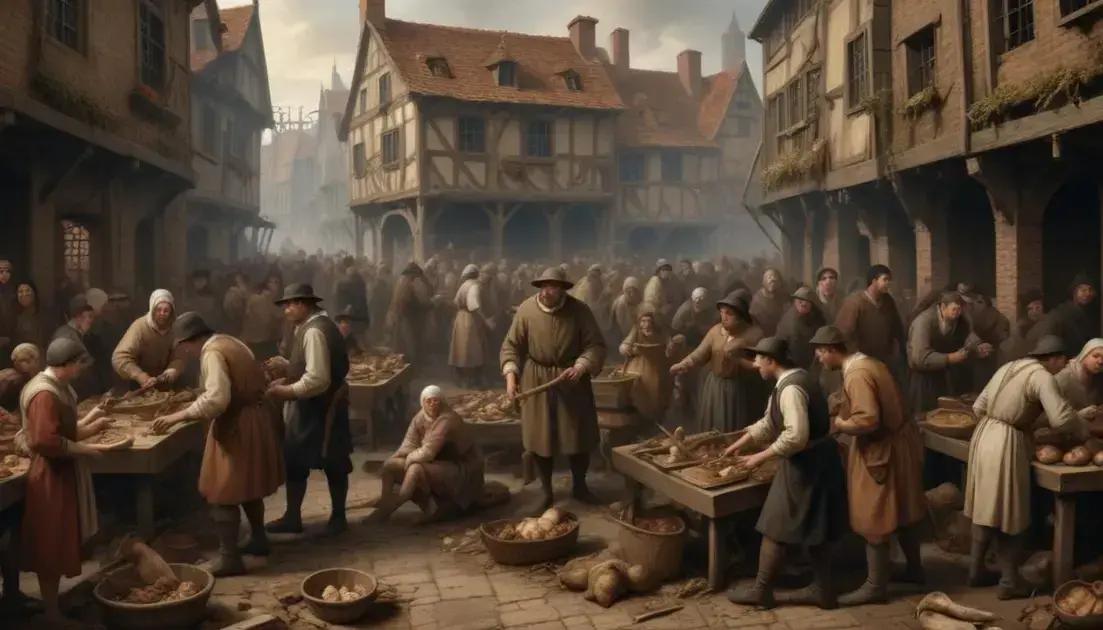
Economically, he encouraged trade and agriculture. Charlemagne improved roads to make travel easier. This helped connect villages to cities. As trade grew, so did the wealth of his empire. Farmers benefited, too, as they received support to improve their crops.
Religious reform was another important part of his impact. He strengthened the Church and its role in society. Charlemagne supported the Pope, ensuring that Christianity spread through his lands. This connection between the church and the state was powerful and lasting.
Legacy in Medieval Europe
Legacy in Medieval Europe shows just how important Charlemagne was in history. His reign changed many aspects of life during the Middle Ages. The unification of Europe under his rule set a strong example for future leaders.
One key element of his legacy is the idea of a united Christian Europe. Charlemagne’s work helped spread Christianity across his empire. This influence shaped many cultures and societies for generations to come.
His reforms in education also made a lasting mark. The schools he founded became models for future educational institutions. The Carolingian Renaissance, which he started, revived art and culture in Europe. It inspired learning and creativity that continued long after his time.
Charlemagne’s legal codes and structure of governance laid the foundation for European law. Many modern legal systems can trace their roots back to his ideas. His emphasis on justice and administration influenced how states are governed.
Even today, Charlemagne is remembered as a symbol of unity and strength. His influence can be seen in the modern European Union. Leaders often look back at his achievements as they work together to promote peace and cooperation in Europe.
Conclusion
In conclusion, Charlemagne’s impact on medieval Europe is truly remarkable. His efforts to unite different tribes and promote education shaped societies for generations. By establishing stronger governance and legal systems, he paved the way for modern countries.
His legacy continues to resonate today, reminding us of the importance of unity and cooperation. Charlemagne’s vision for a connected Christian Europe set the stage for future leaders. By learning from his reforms, we can appreciate the value of strong leadership and cultural growth.
As we look back on his achievements, we can also think about how they affect our lives today. Understanding history helps us build a better future, just as Charlemagne dreamed of a united Europe.
Tags: