Chernobyl: Tragedy and Soviet Manipulation
The Chernobyl disaster, which occurred in 1986, is one of history’s worst nuclear accidents. It resulted in a catastrophic explosion at the Chernobyl Nuclear Power Plant in Ukraine, leading to widespread radioactive contamination. The Soviet government’s initial slow and opaque response caused confusion and increased health risks for the local population, with many developing conditions such as cancer years later. The long-term effects include ongoing environmental issues, health problems, and changes in nuclear regulation worldwide. This tragic event underscores the importance of transparency in emergencies and the critical need for safety measures in nuclear energy.
Chernobyl changed the world forever. What lessons can we learn from this tragic event and its aftermath? Dive into the reality that unfolded beyond the smoke and mirrors…
Introduction
The Chernobyl disaster was a catastrophic event that took place on April 26, 1986. It happened at the Chernobyl Nuclear Power Plant in Ukraine, which was then part of the Soviet Union. A reactor exploded, releasing massive amounts of radiation into the atmosphere.
This incident affected not only the local area but also spread radiation across Europe. Thousands of people were evacuated from nearby towns. Sadly, many more suffered health issues due to exposure to radiation.
After the explosion, the Soviet government tried to control the information about the disaster. They initially denied the severity of the situation, leading to public confusion and mistrust.
People were left in the dark about the dangers they faced. This tragedy also highlighted serious issues around nuclear safety and government transparency.
In remembering Chernobyl, we reflect on the importance of honest communication in crises. It reminds us of the necessity for safety measures in nuclear power and the value of keeping the public informed during disasters.
Background of the Chernobyl Disaster
The Chernobyl disaster is one of the worst nuclear accidents in history. It occurred in 1986, during a late-night safety test at reactor number four. The test was meant to determine how long turbines would spin and supply power after a shutdown.
Unexpectedly, there was a sudden power increase. This led to an explosion that released a massive amount of radioactive particles into the air. The force of the explosion blew off the reactor’s roof.
Many workers at the plant tried to control the situation. Firefighters arrived to put out the flames. Sadly, they didn’t know about the radiation risks they faced.
In the aftermath, authorities underestimated the situation. They didn’t evacuate people in time. Nearby Pripyat, a town with about 49,000 residents, was not evacuated until about 36 hours later.
The fallout spread over large parts of Europe. People far away from Chernobyl were affected by the radiation. This incident highlighted the dangers of nuclear energy when safety protocols are not followed.
The long-term consequences were severe. Numbers showed increased cancer cases and health problems among the affected population. The environment still shows scars from this tragedy, reminding us of the importance of safety in nuclear energy.
Soviet Response
After the Chernobyl disaster, the Soviet response was slow and hesitant. On the night of the explosion, officials did not fully grasp the severity of the situation. The initial reactions were filled with confusion and misinformation.
In the days following the explosion, the government tried to control the narrative. They downplayed the disaster’s impact. Many officials were reluctant to admit that a nuclear accident had occurred.
Eventually, they organized an evacuation of Pripyat. But, this was done only a day after the explosion. Many residents had already been exposed to dangerous levels of radiation.
The Soviet Union also sent in thousands of soldiers and workers to contain the situation. These brave individuals were known as “liquidators.” They worked to clean up the site and build a sarcophagus to contain the radioactive materials.
Despite their efforts, the response was criticized for being inadequate. The lack of transparency caused confusion among the public. Many people did not know how to protect themselves from radiation.
As time went on, the world started to learn about the true extent of the disaster. The Soviet government struggled to manage both the environmental fallout and the public reaction. This tragedy marked a significant moment in the history of nuclear energy and government accountability.
Long-Term Effects
The long-term effects of the Chernobyl disaster are serious and wide-ranging. First, we can see the impact on health. Many people developed various types of cancer, especially thyroid cancer, due to radiation exposure.
Over the years, studies showed increased rates of other health issues as well. Heart problems and respiratory diseases became more common among survivors. The mental health effects were also significant, leading to anxiety and depression in affected communities.
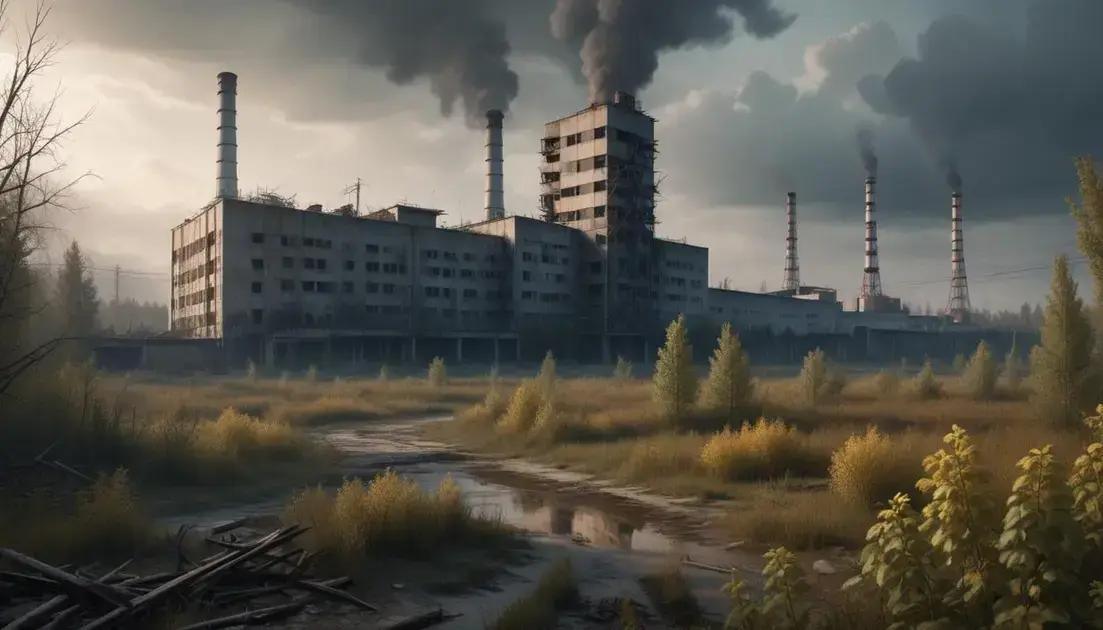
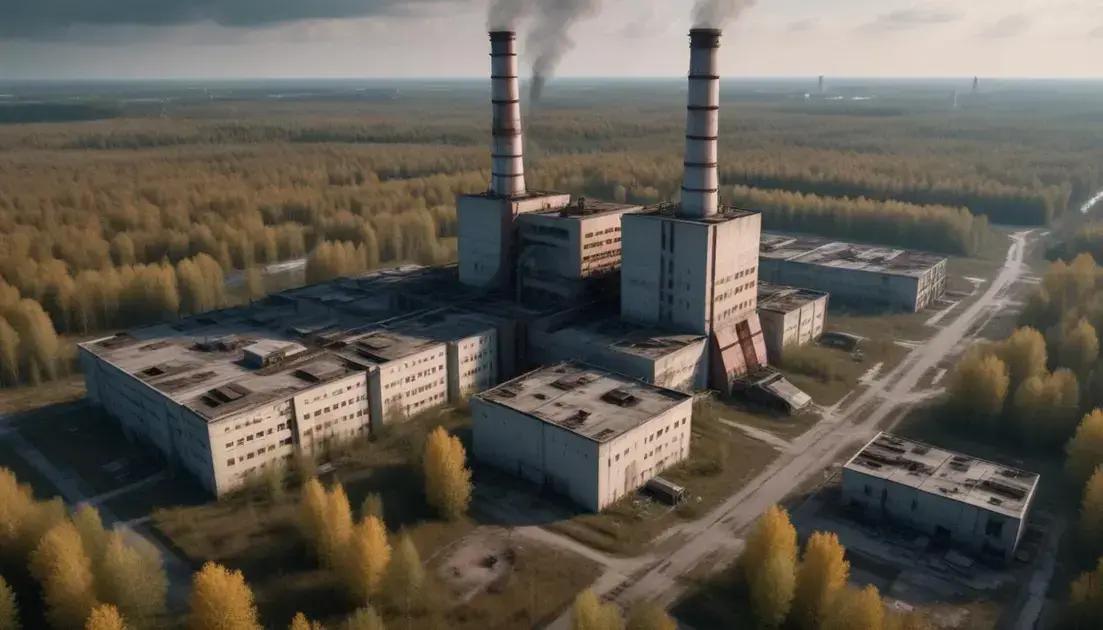
Environmentally, the Chernobyl area is still struggling to recover. A large exclusion zone remains in place around the reactor. This zone shows how radiation can persist in the environment for decades.
Animals and plants in the area also faced challenges. While some wildlife has returned, they often show mutations or other health issues due to radiation. Scientists continue to study these changes to understand the long-term impact better.
Moreover, the local economy has suffered. Communities lost their homes and livelihoods. Many residents became refugees, leaving behind their history and culture. This has created a legacy of loss that continues to affect people’s lives.
Finally, Chernobyl also changed views on nuclear energy around the world. Increased safety regulations and protocols came into effect due to the disaster. However, some still debate about the risks and benefits of nuclear power today.
Conclusion
The Chernobyl disaster has had lasting impacts on the world, especially in health and safety regulations. It’s essential to learn from this tragedy. By doing so, we can create safer environments for future generations.
Public awareness about nuclear safety has increased since the disaster. People understand better what risks are involved and how to manage them. This knowledge helps build trust in technology and government actions.
Moreover, the story of Chernobyl serves as a warning. It reminds us that transparency and honesty in communication are crucial during crises. Making information available keeps people informed and safe.
Now, we must continue to honor those affected by Chernobyl. As we remember the past, we can work towards a safer and more responsible future regarding nuclear energy.
Conclusion
In conclusion, the Chernobyl disaster teaches us important lessons about safety and communication. The impact of this event goes beyond just the immediate effects. It reminds us that transparency is crucial during crises. Knowing the truth can keep people safe and informed.
The health effects and environmental damage from Chernobyl highlight the need for strong safety regulations in nuclear energy. As a society, we must learn from past mistakes to avoid repeating them. This disaster has led to better safety measures worldwide, ensuring that future generations can benefit from energy while minimizing risks.
Finally, honoring those affected by Chernobyl is essential. It’s a reminder of the human cost of disasters. By remembering, we can strive to build a safer world for everyone, keeping the lessons of Chernobyl alive in our minds.
Tags: