Childhood Under Nuclear Fear: Education and Propaganda
The Cold War significantly influenced educational practices, instilling survival techniques in children while shaping cultural perceptions of fear and safety. Schools taught students how to cope with nuclear threats through drills and survival strategies, creating a generation acutely aware of the dangers. Propaganda during this time further affected children’s views, blending fear with the necessity for preparedness. The legacy of this era continues to resonate today, emphasizing the importance of peace and education in preventing future conflicts.
Nuclear Fear was an undeniable shadow over childhood in the Cold War years, with schools emphasizing survival tactics amid a backdrop of tension. How did education shape the perceptions of a generation? Let’s dive into this fascinating yet alarming topic.
Introduction to Nuclear Fear in Education
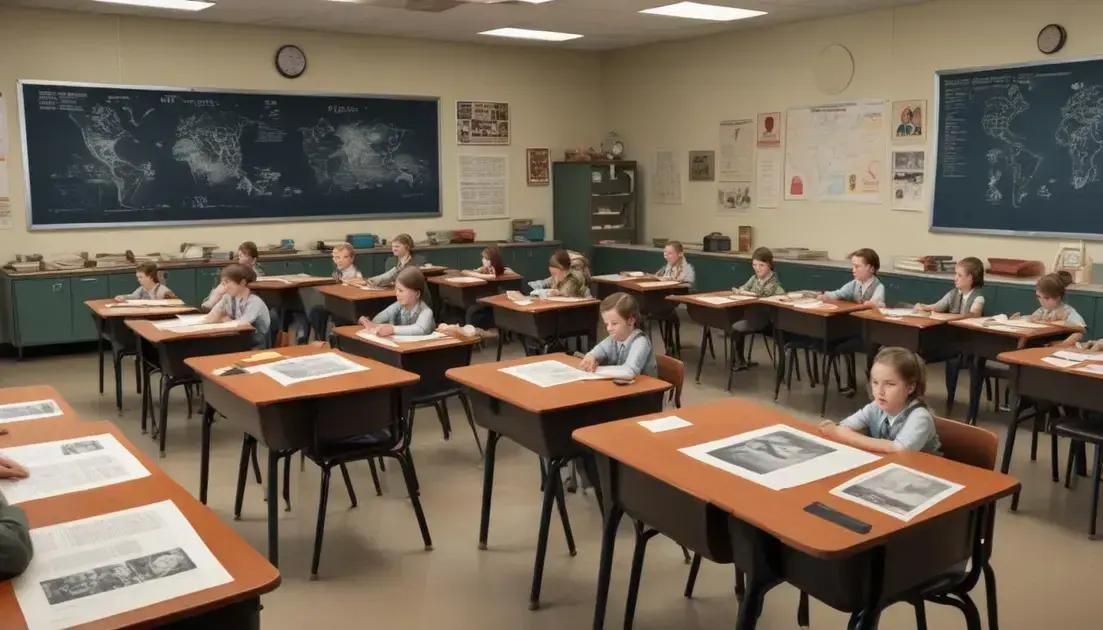
Nuclear Fear gripped many aspects of life during the Cold War. Schools turned into places where education was mixed with anxiety about nuclear threats. Teachers had to incorporate lessons about surviving an attack into their curriculum. Old drills, like ducking under desks or creating makeshift shelters, were common. For kids, this wasn’t just a class; it was a way of life.
The Role of Schools
Schools became frontline centers for teaching the next generation how to cope with fear. While learning math and reading, students also learned about the dangers of nuclear war. Classes included lessons on how to act during an emergency. This added layer of education was unlike anything before.
Drills and Preparations
Drills often felt more like games than serious training. Kids would practice hiding under desks or lining up quietly to exit the building fast. These actions were meant to prepare them for anything. However, underlying these activities was a constant fear of an actual nuclear threat.
The Impact on Children
This education did not just teach facts but also shaped children’s views on safety and security. Many kids grew up anxious, always wondering if they were safe. Challenges like these had an emotional weight that was hard to shake off. Schools had to balance teaching survival skills with keeping students’ spirits high.
Survival Techniques Taught in Schools
During the Cold War, schools taught kids vital survival techniques. Students learned what to do if a nuclear attack happened. These lessons included simple steps to stay safe amid panic. Children practiced how to find shelter quickly and stay quiet. This was essential for their safety during uncertain times.
Practical Skills
Teachers often showed kids how to create makeshift shelters. They used materials like desks, tables, and even pillows. Kids learned to think on their feet, using what was around them. This hands-on approach helped them feel more prepared for real-life situations.
The Importance of Drills
Regular drills were vital for practicing these techniques. Students would line up and follow safety instructions. These activities helped reduce fear. Knowing what to do made them feel in control. It turned a scary situation into a manageable task.
Emotional Preparedness
Learning survival techniques wasn’t just about physical safety. It also prepared kids emotionally. They understood the seriousness of the threat but had guidance. This balance was key in helping them cope with their fears. Schools aimed to build resilience through these lessons.
Impact of Propaganda on Children
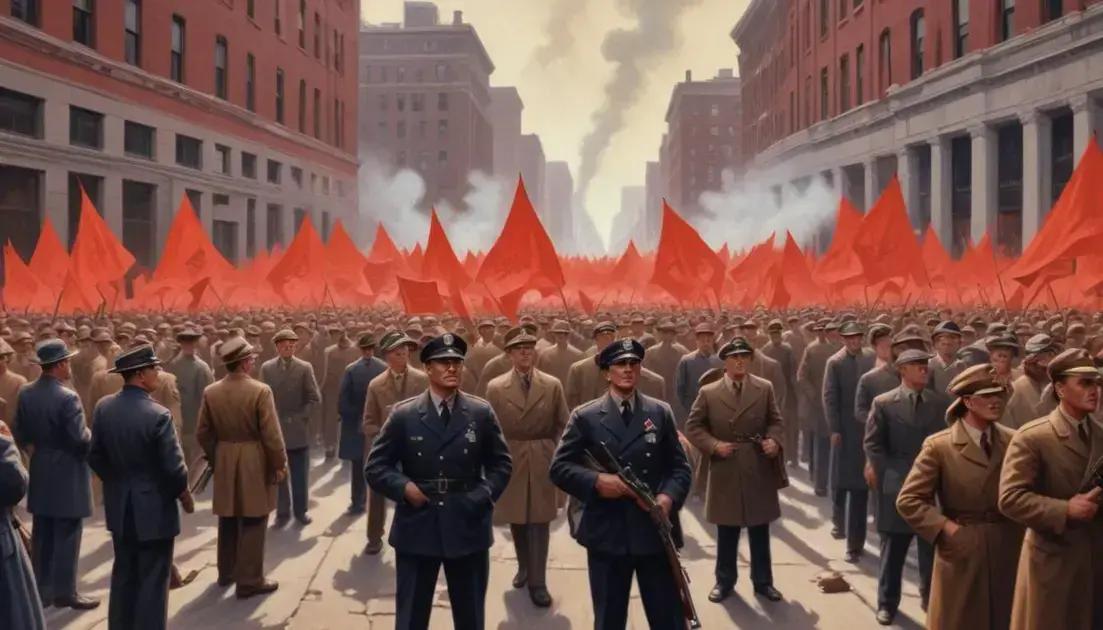
Propaganda played a huge role during the Cold War. It influenced how children saw the world. Schools and media shared messages that shaped their beliefs. Kids were often shown videos and posters that highlighted the dangers of nuclear war. These materials aimed to create fear but also preparedness.
Messages in Schools
In classrooms, teachers used propaganda to discuss nuclear threats. They presented facts but often with an emotional twist. This kind of teaching aimed to make children aware of potential dangers. While it educated, it also sparked anxiety among the young ones.
How It Affected Views
This constant stream of information affected children’s views about safety. Many kids began to see the world as a scary place. They learned to fear the bomb while trying to understand how to survive. This mix of information gave them a unique perspective.
The Long-Term Effects
The impact didn’t stop after school. These messages stuck with children as they grew up. Many carried these fears into adulthood. The lessons learned in classrooms shaped how they viewed the world for years to come. It’s fascinating and troubling how strong propaganda can be.
Cultural Reflections of the Era
The Cold War was more than just politics; it shaped culture too. Movies, music, and art reflected the fears and hopes of that time. Many songs had lyrics about nuclear war and peace, capturing the spirit of an anxious generation. This cultural output helped people express their concerns and dreams.
Media Influence
Films often portrayed the threat of nuclear disaster. Movies showed scenes of destruction and survival, targeting the audience’s emotions. This kept the fear alive in everyone’s mind. On the other hand, some films offered a more hopeful vision of a peaceful future. They inspired thoughts about unity and understanding.
Art and Literature
Artists created work that mirrored the tensions of the era. Paintings and literature explored themes of fear and safety. Writers used their words to discuss the atomic age. Many sought to understand how it affected daily life. The artistic expressions became a voice for the public’s worries.
Shared Experiences
Families often gathered around the TV, watching the news about world events. This created a shared experience, as everyone felt the effects of global tensions. Communities engaged in discussions, helping them deal with their fears together. Reflecting on those days reveals just how deeply the Cold War affected culture.
Conclusion and Legacy
The legacy of the Cold War is still felt today. It shaped our culture, politics, and social beliefs. Many lessons emerged from that tense era. People learned about the importance of peace and diplomacy. These teachings remain relevant now, reminding us of the past.
Influence on Modern Society
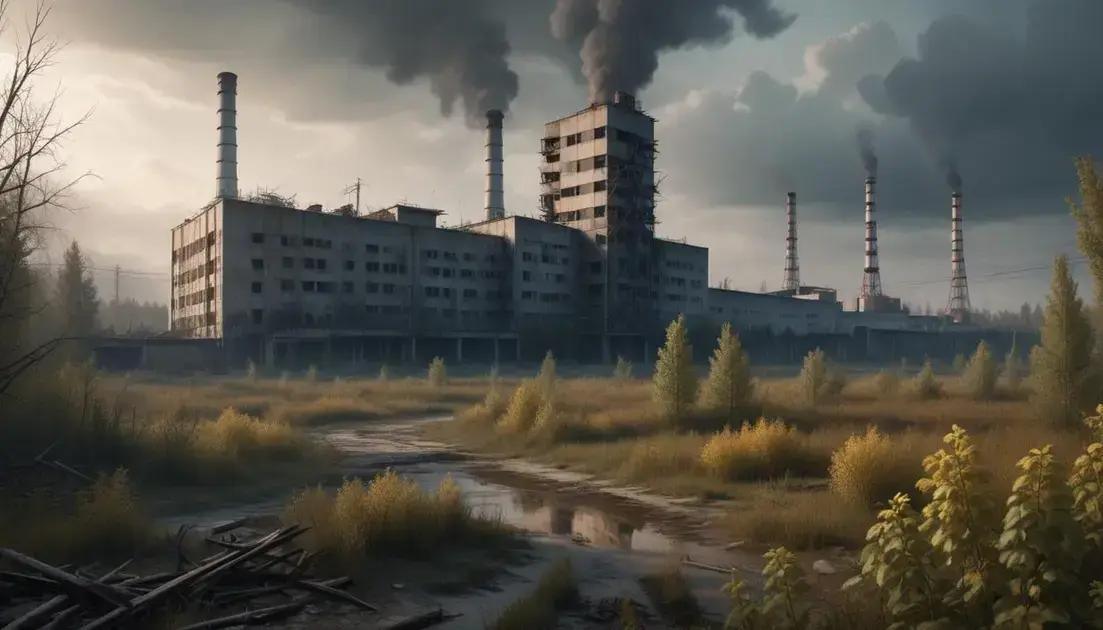
Today’s world is still touched by fears of nuclear threats. Governments hold on to treaties that came from past tensions. Citizens recognize the importance of global cooperation. This understanding helps avert potential conflicts.
Awareness Through Education
Education about the Cold War continues in schools. Students learn from history to avoid repeating mistakes. Science classes still discuss nuclear energy, focusing on safety and responsibility. This knowledge is crucial for nurturing informed citizens.
Promoting Peace
The Cold War taught us the value of peace. Organizations now focus on conflict resolution and diplomacy. Efforts to promote understanding between nations are vital. Building relationships can prevent wars and promote goodwill.
Conclusion
In summary, the Cold War shaped our world in many ways. It taught us important lessons about peace and cooperation that are still relevant today. Understanding the impact of nuclear fear helps us recognize the value of diplomacy and safety. Education continues to play a key role in keeping those lessons alive.
By studying this period, we learn how to prevent past mistakes and promote a better future. Every generation must remember the stories and experiences of those years. Ultimately, our goal should be to foster understanding and unity among nations, ensuring that the legacies of the Cold War guide us towards a safer and more peaceful world.