Cold War Posters: Visual Art and Ideology
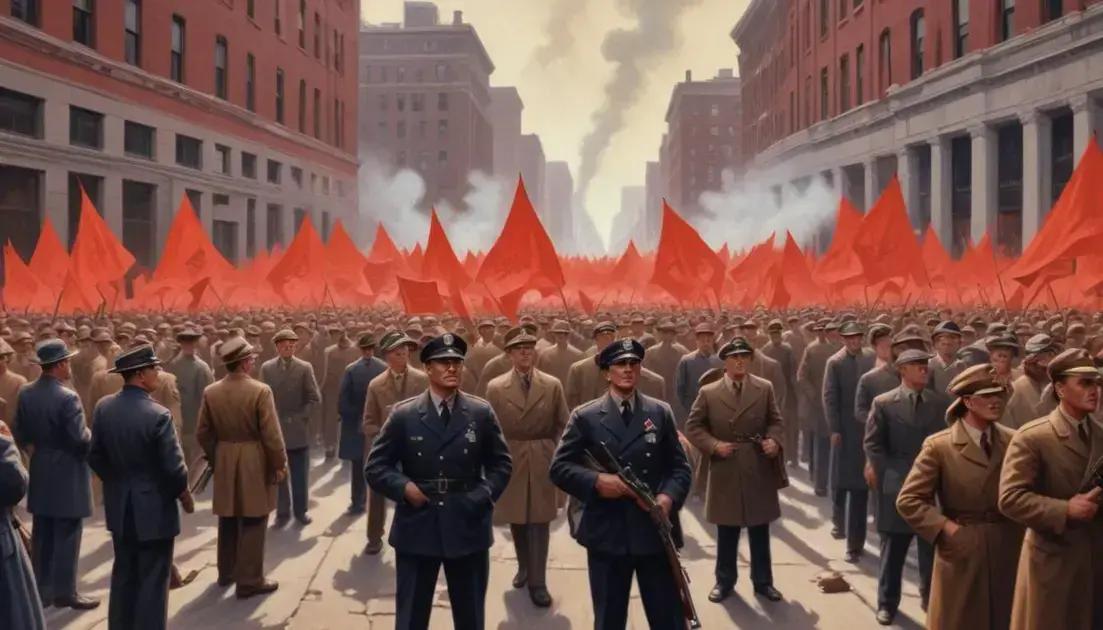
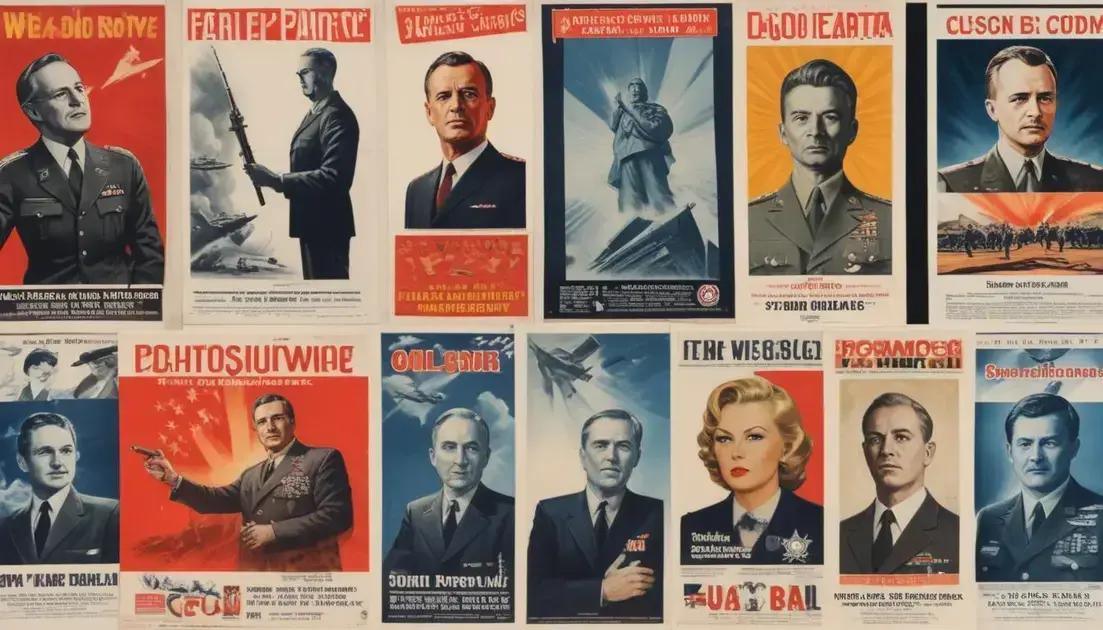
During the Cold War, visual art, particularly through posters, played a key role in conveying political ideology. Artists effectively used symbols, colors, and imagery to express complex messages and motivate public sentiment. Through contrasting visuals and powerful designs, these pieces not only reflected societal beliefs but also influenced perceptions, showing that art can effectively communicate and shape public opinion in significant ways.
Cold War posters serve as striking examples of how Cold War aesthetics were used to shape political narratives and public opinion. Have you ever wondered how something so visual can be packed with meaning?
The Role of Art in Cold War
Art played a vital role in the Cold War, communicating messages quickly and powerfully. Posters, murals, and other visual forms helped shape public perception on both sides. For example, propaganda posters often displayed fierce patriotic messages. These images aimed to unite citizens under a common cause.
Visual Communication
During the Cold War, art became a tool for visual communication. Governments used art to relay their values and beliefs. By simplifying complex ideas into images, they made them more accessible to everyone. A striking image often stuck in people’s minds, sparking emotions and thoughts.
The Power of Propaganda
Propaganda art aimed to persuade audiences. Artists designed works that either glorified their nation or painted the enemy as a threat. This visual language was powerful and often used in campaigns. The intent was to inspire action or instill fear among the public.
Global Impact of Cold War Art
The impact of Cold War art reached beyond borders. Artists from various countries influenced each other, creating a global dialogue. Themes of conflict, hope, and resistance emerged in works from the East and West. Such exchanges continue to be relevant in discussions of art today.
Understanding the role of art in the Cold War helps us see how creativity can influence society. It highlights how visuals can carry significant meaning and provoke thought. The era taught us that art isn’t just for aesthetics; it can also be a form of communication that drives change.
Political Messages in Posters
Political posters have been crucial in conveying messages during the Cold War. These visuals were designed to evoke strong feelings and provoke thoughts. Artists used bold colors and striking imagery to make their points clear. The aim was to communicate complex ideas simply and effectively.
Imagery and Symbols
Posters often included recognizable symbols. For example, the dove represented peace, while missiles symbolized threats. These images helped convey messages quickly to a wide audience, making them effective tools of propaganda.
Motivating the Public
Many posters aimed to motivate citizens. Words like “defend your country” or “stand strong” inspired action. They encouraged people to support their government and beliefs. The messages were often simple yet powerful, urging people to unite.
The Impact of Color and Design
The choice of color in political posters mattered a lot. Bright colors attracted attention and created emotional responses. Designers balanced images and text carefully to ensure clarity. This made it easier for viewers to grasp the message quickly.
Political messages in posters shaped how people understood the Cold War. This visual communication still influences how we view political art today. It shows how powerful images can be in shaping thoughts and ideas in society.
Visual Representation of Ideology
Visual representation of ideology was crucial during the Cold War. Artists used images to express deep beliefs and values. These visuals often included symbols, colors, and styles that clearly shown a message. The goal was to persuade people and promote specific ideas.
Symbols in Art
Symbols played a key role in conveying ideology. For instance, the hammer and sickle represented communism. Conversely, the American eagle stood for freedom and democracy. Such symbols created instant recognition and connection with viewers.
Contrast in Imagery
Artists often contrasted images to highlight differences in beliefs. For example, dark tones signified oppression, while bright colors indicated hope. This contrast made the ideas more compelling and easier to understand. Viewers reacted emotionally to these strong visuals.
The Influence of Style
The artistic style used also impacted how ideology was received. Realism sought to depict life accurately, while abstraction stirred emotions. Each style had its purpose, helping to convey messages in unique ways. Artists chose carefully based on the message they wanted to share.
Understanding visual representation helps us see how ideas were spread during the Cold War. It shows us that art isn’t just visual; it communicates beliefs and values that can shape society.
Conclusion
In conclusion, the visual tools of the Cold War—like posters and art—were not just for decoration. They played a major role in shaping political beliefs and public opinion. Through symbols and powerful imagery, these artworks communicated important messages quickly and clearly.
Understanding how ideology was visually represented helps us appreciate the impact of art in society. It shows that art can influence thoughts and feelings, often sparking action. By analyzing these visual pieces, we can gain insights into both historical events and their lasting effects today.
Tags: