Crusader States: Europe’s kingdoms in the Middle East
The Crusader States were significant political entities in the Middle Ages, established after the First Crusade. They facilitated cultural exchanges, boosted trade through strategic routes, and influenced modern European society. Their legacy includes lasting impacts on politics, economy, and religion, as diverse cultures mingled and evolved during this period. Ultimately, they exemplify the importance of cooperation and shared knowledge in shaping history.
Welcome to the fascinating world of Crusader States, where cultures collided and coexisted! Join us as we explore this remarkable chapter in history.
Historical Context of the Crusader States
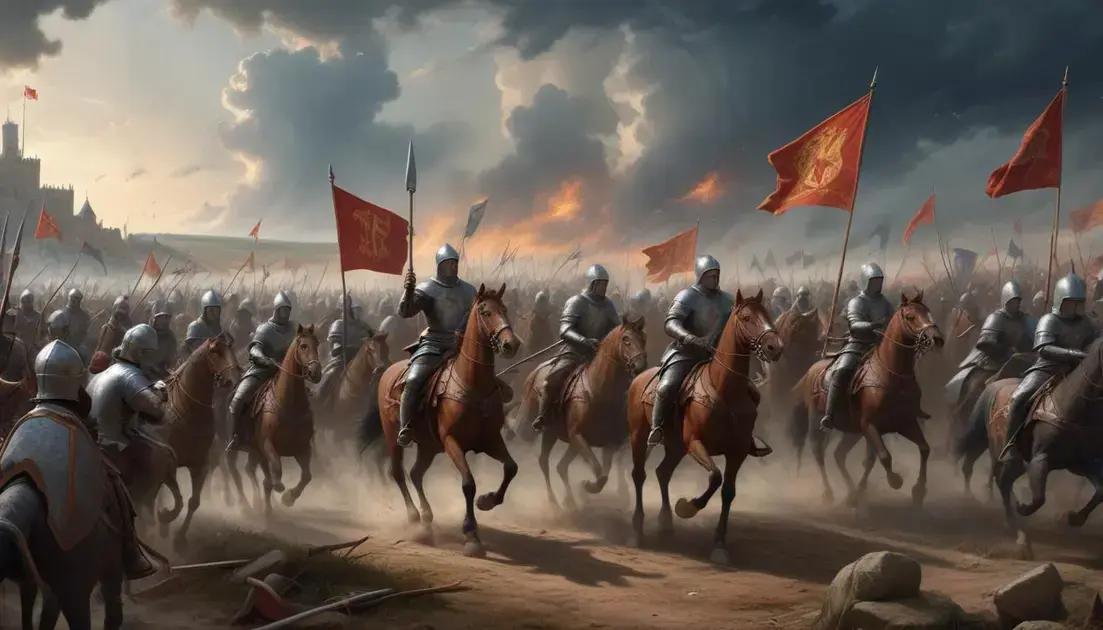
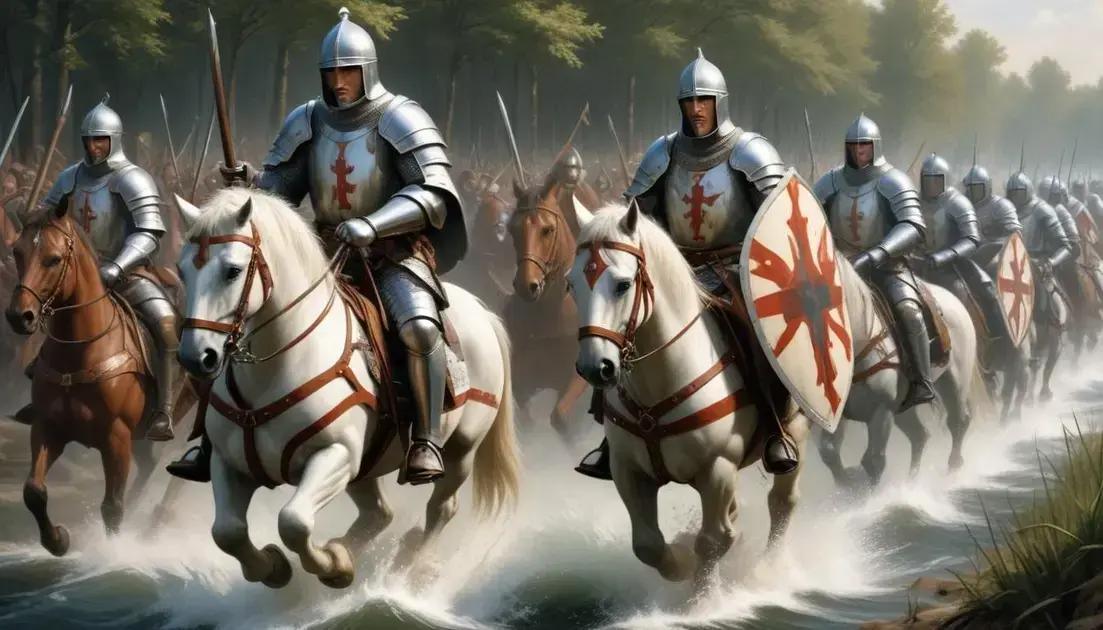
The Crusader States emerged in the late 11th century after the First Crusade. This was a time when European Christians sought to reclaim the Holy Land from Muslim control. The journey was long and often treacherous, with many knights and common people united by faith and the promise of glory.
Origins of the Crusades
The Crusades began partly due to religious fervor. The Pope called for help to defend Christianity. Many believed that fighting for the Holy Land would earn them salvation. This attracted people from all walks of life, eager to join the cause.
The Establishment of the States
After taking Jerusalem in 1099, the Crusaders set up several territories known as crusader states. These included the Kingdom of Jerusalem, the County of Tripoli, and the Principality of Antioch. Each state had its own leaders and systems.
Interactions with Local Populations
The Crusader States did not exist in isolation. The Crusaders often interacted with local Muslim populations. They traded goods, exchanged ideas, and sometimes formed alliances. This cultural blend led to advancements in art, science, and architecture.
The Role of Religion
Religion played a crucial role in the lives of people in the Crusader States. Christian and Muslim beliefs shaped their societies. Religious leaders on both sides influenced actions and decisions, often increasing tensions.
The legacy of the Crusader States is complex. They left behind rich historical narratives, showcasing the interplay between cultures. These states were not just places of war, but also centers of cultural exchange.
Cultural Interactions and Exchanges
During the time of the Crusader States, cultural interactions were rich and varied. Different groups came together, creating a unique society. Crusaders and local populations exchanged ideas, goods, and even customs.
Trade and Economy
Trade flourished in the Crusader States. Merchants from Europe and the Middle East came together. They traded spices, silk, and other valuable items. This trade brought wealth and opened doors to new cultures.
Art and Architecture
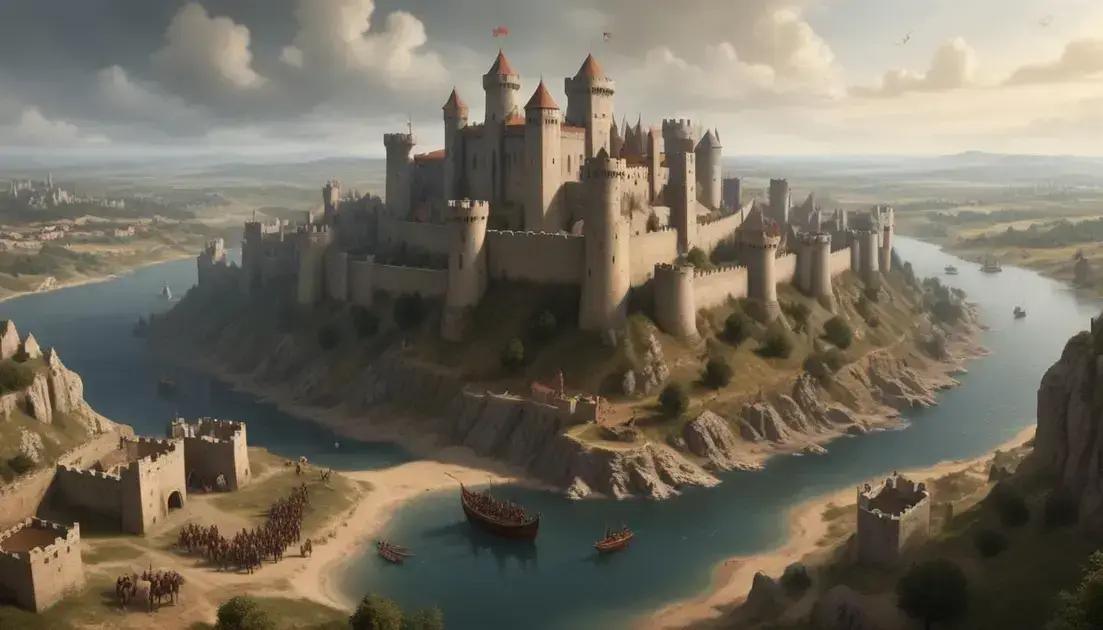
Art and architecture in the Crusader States were influenced by the West and the East. Churches and castles showed a mix of styles. The iconic architecture of this time was often a blend of Gothic and Islamic design.
Education and Knowledge
Universities and schools emerged in the Crusader States. They became centers for learning, attracting scholars from various backgrounds. Sharing knowledge on medicine, science, and philosophy created a community of thinkers.
Everyday Life
Common people interacted daily. They shared meals, stories, and traditions. Festivals often brought everyone together, regardless of their background. This mixing led to a rich cultural tapestry.
The legacy of these exchanges continues to influence cultures today. The collaboration between East and West in the Crusader States was transformative.
Political Dynamics and Conflicts
The political dynamics in the Crusader States were complex. Many different parties had interests in the region. This multi-layered power struggle often led to conflicts.
Crusader Leadership
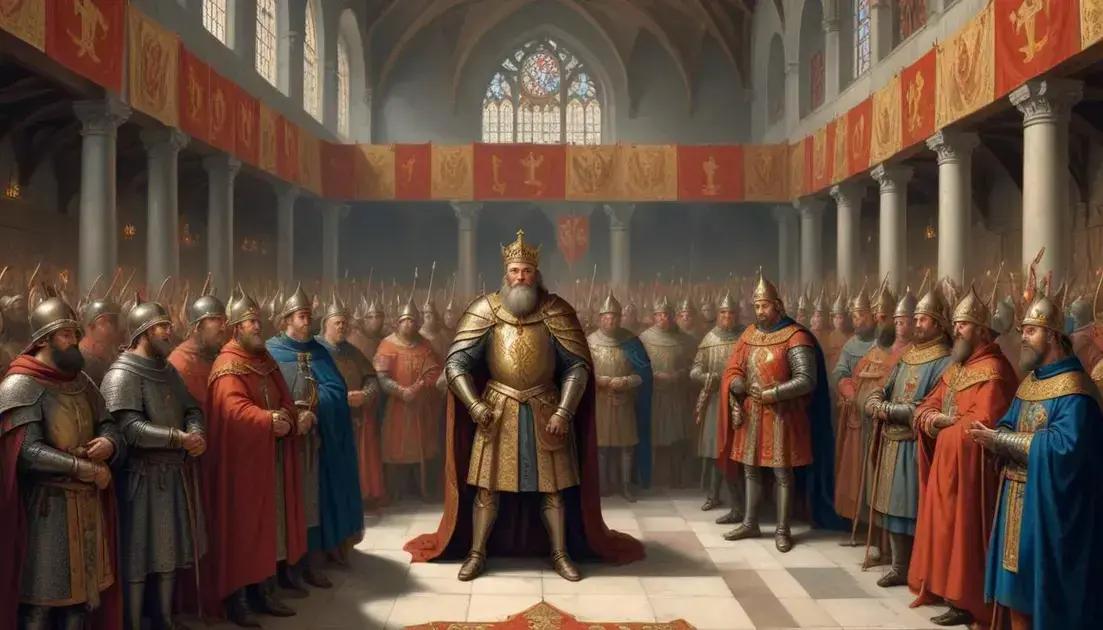
Leadership was key in the Crusader States. Kings and nobles fought for power and control. Each leader had their own goals, which sometimes clashed with others.
Relations with Local Powers
The Crusaders often interacted with local Muslim leaders. Some tried to make peace to serve mutual interests. However, tensions regularly flared up, leading to battles over land and influence.
Internal Conflicts
Internal conflicts were common among the Crusaders. Different factions sometimes disagreed on strategies and objectives. This division often weakened their overall position against external threats.
Impact of the Byzantine Empire
The Byzantine Empire played a significant role in the Crusader States’ politics. They had a complicated relationship with the Crusaders. There were moments of cooperation, but also times of mistrust and rivalry.
These political dynamics shaped the way the Crusader States evolved. Each conflict and alliance contributed to a unique historical narrative.
Economic Aspects of the Crusader Kingdoms
The economic aspects of the Crusader Kingdoms played a vital role in their success. Trade was a lifeline for these states. Merchants transported goods over land and sea.
Trade Routes
Crusader States were at the crossroads of major trade routes. Goods from Europe, Asia, and Africa flowed through these regions. This made them important centers for commerce.
Products and Resources
Joining markets meant access to many valuable resources. Spices, silk, and precious metals were highly sought after. These items brought wealth and attracted more traders.
Economic Systems
The economic system in the Crusader Kingdoms combined local and foreign practices. Local farmers produced food to feed cities. Meanwhile, foreign merchants provided luxury goods that enriched the population.
Taxation and Revenue
Governments collected taxes from trade and agriculture. This revenue funded armies and public works. A healthy economy meant stronger defense against enemies.
The effects of this economic activity were significant. They helped to build cities and promote culture, showcasing a vibrant and dynamic society.
Legacy and Influence on Modern Europe
The legacy of the Crusader States is still felt in modern Europe. Their influence shaped many aspects of culture, politics, and society. This period was filled with interactions that left marks on history.
Cultural Exchange
The Crusader States encouraged a rich cultural exchange. Ideas from the East and West mixed together. This blending led to advancements in art, literature, and philosophy.
Political Ideas
The political structures established during this time influenced later governments. Concepts of chivalry and feudalism grew stronger. These ideas shaped the social hierarchy in many European countries.
Religious Influence
The conflicts of the Crusades also impacted religions. They intensified relationships between Christian and Muslim communities. The legacy of these interactions is still present in today’s world.
Trade Routes and Economy
Trade routes established during the Crusader period paved the way for modern commerce. The economic interactions helped European cities grow prosperous. This laid the foundation for future economic systems.
In many ways, the Crusader States were a bridge between two worlds. Their legacy helped shape the Europe we know today.
Conclusion
In conclusion, the story of the Crusader States is a fascinating chapter in history. Their cultural, political, and economic impacts are still felt today. The exchange of ideas and goods shaped modern Europe in many ways.
By understanding the legacy of the Crusader States, we see how interactions between different cultures create lasting change. From trade routes to new concepts of governance, their influence helped lay the groundwork for the world we know now.
Ultimately, this history shows the importance of cooperation and learning from one another. The Crusader States remind us that diverse cultures can come together to create something truly remarkable.