Cuban Missile Crisis: The 13 Days that Almost Destroyed the World
The Cuban Missile Crisis of 1962 was a critical moment in history, marked by the tense standoff between the United States and the Soviet Union over nuclear missiles in Cuba. This 13-day crisis highlighted the importance of communication to prevent misunderstandings, the necessity for careful decision-making under pressure, and the value of compromise in diplomacy. It also underscored the global implications of nuclear weapons, leading to pivotal changes in international relations and arms control efforts. The lessons learned continue to resonate today, emphasizing the need for dialogue and peace in a world marked by potential conflict.
Cuban Missile Crisis was a pivotal moment in world history, where tensions peaked and the threat of nuclear war loomed. But what sparked these intense 13 days? Let’s explore…
Overview of the Cuban Missile Crisis
The Cuban Missile Crisis took place in October 1962 and lasted 13 days. This crisis put the United States and the Soviet Union on the brink of nuclear war. After discovering Soviet missiles in Cuba, President John F. Kennedy faced a tough decision. He had to respond to this threat while avoiding a full-blown conflict.
The world watched nervously as both sides prepared for possible military action. Tensions were high, and people everywhere worried about the future. The Cuban Missile Crisis is often seen as a key moment in the Cold War.
Key Events of the Crisis
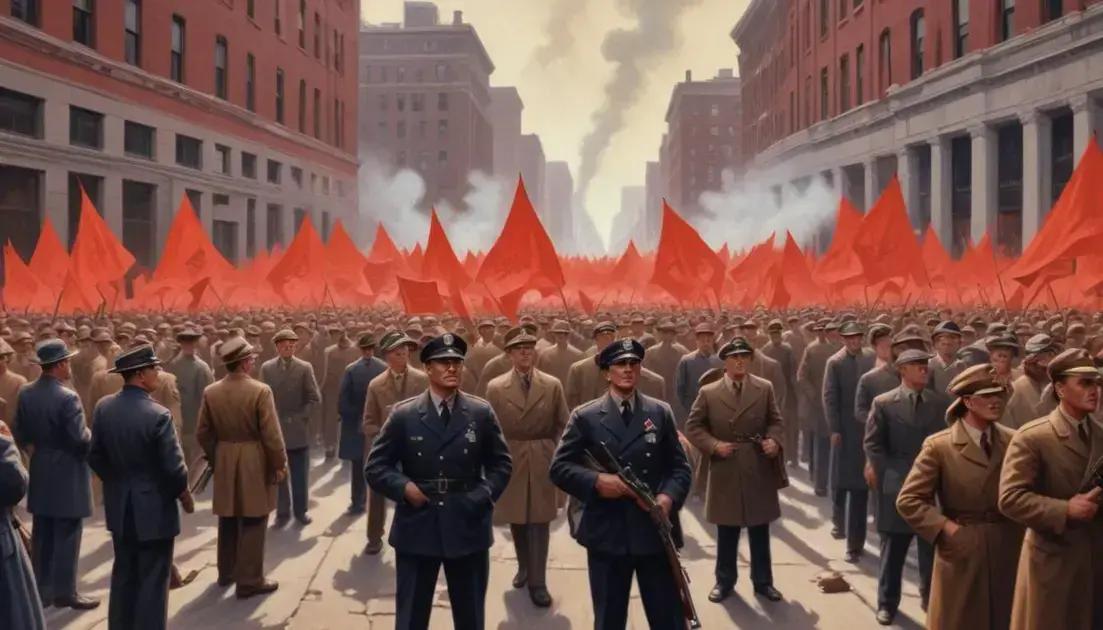
Key events included Kennedy’s announcement to the public about the missiles and his decision to impose a naval blockade around Cuba. This prevented any further shipments of missiles or military equipment from the Soviet Union. The tense standoff led to fears of an immediate confrontation.
After days of negotiations, both sides finally found common ground. The U.S. agreed to remove its missiles from Turkey, while the Soviet Union withdrew its missiles from Cuba. This resolution helped to reduce the tensions, but it left a lasting impact on international relations.
Today, the Cuban Missile Crisis teaches us valuable lessons about diplomacy and communication during a crisis. Understanding this event is important for those studying history and international relations.
Key Events of the 13 Days
The Cuban Missile Crisis was a tense 13-day standoff between the United States and Cuba, backed by the Soviet Union. It all started when American spy planes spotted Soviet missiles in Cuba. This shocking news came on October 16, 1962.
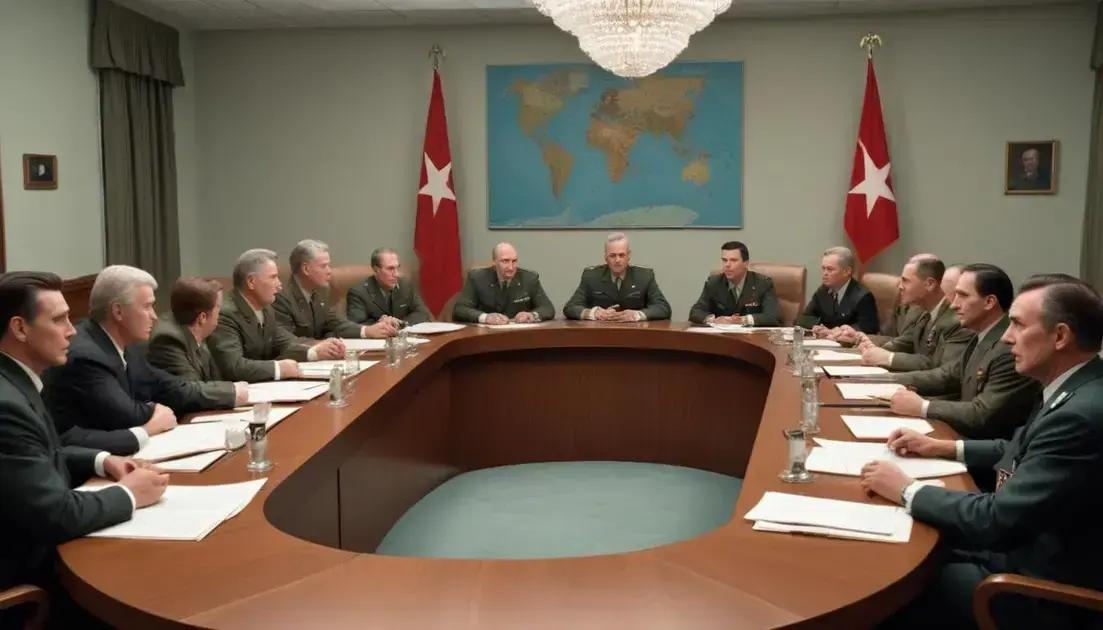
The first key event was President Kennedy’s response. He called for a secret meeting with his advisors, known as the ExComm. They discussed all possible options, from airstrikes to diplomacy. On October 22, Kennedy publicly announced the presence of the missiles in a televised speech.
On the same day, he also imposed a naval blockade to prevent further shipments of missiles. This move raised tensions and increased fears of a military confrontation. The world held its breath as both sides prepared for possible war.
As the days passed, communication was critical. Back-channel messages between the U.S. and the Soviet Union began to play a vital role. A key moment came when Nikita Khrushchev, the Soviet leader, sent a letter proposing a resolution. He offered to remove the missiles if the U.S. promised not to invade Cuba.
On October 28, an agreement was reached. The U.S. would remove its missiles from Turkey in exchange for the withdrawal of Soviet missiles from Cuba. This negotiation was crucial in avoiding a nuclear conflict. The world breathed a sigh of relief after the crisis ended, but it left a lasting impact on international relations.
Political Implications
The Cuban Missile Crisis had significant political implications that shaped the future of U.S. and Soviet relations. It highlighted the dangers of nuclear weapons and the need for effective communication. During this period, both superpowers realized how close they came to a potential nuclear war.
One main effect was the establishment of the hotline between Washington, D.C., and Moscow. This direct communication link aimed to prevent misunderstandings that could lead to conflict. It was a step towards better communication during crises.
Another implication was the shift in U.S. foreign policy. The crisis showed the need for a strong military presence but also for diplomacy. The U.S. began to focus more on arms control talks with the Soviet Union in the following years.
Furthermore, the crisis affected global politics. Many nations viewed the U.S. actions as a necessary stance against Soviet aggression. However, others criticized the U.S. for pushing the world to the brink of war. This duality in perception influenced how other countries aligned themselves during the Cold War.
In the long run, the crisis prompted both sides to seek ways to avoid future confrontation. This led to arms control treaties, like the Nuclear Non-Proliferation Treaty, which aimed to prevent the spread of nuclear weapons.
Global Reactions
The Cuban Missile Crisis sparked strong reactions worldwide. Many countries watched anxiously as tensions grew between the U.S. and the Soviet Union. The fear of nuclear war affected people everywhere.
Allies of the U.S., such as NATO members, largely supported Kennedy’s actions. They felt it was important to stand firm against Soviet expansion. However, some expressed concern about the risks of escalating the conflict.
On the other hand, nations aligned with the Soviet Union criticized U.S. actions as aggressive. They viewed the naval blockade as a form of provocation. These countries supported Cuba and condemned any threats to its sovereignty.
In Latin America, reactions were mixed. Many nations admired Cuba’s defiance against U.S. power. Others, however, worried about the instability the crisis could bring to the region. The fear of a broader conflict loomed strong.
Throughout Asia and Africa, leaders expressed concern about the U.S. and Soviet rivalry. Countries sought to avoid being caught in the middle of a superpower conflict. The crisis raised questions about the future of international relations.
Media coverage around the world heightened tension during this period. News reports painted vivid images of the potential for war, drawing public interest and concern on a global scale. The crisis changed how many viewed the risks associated with nuclear weapons.
Lessons Learned from the Crisis
The Cuban Missile Crisis taught us many important lessons about conflict and diplomacy. First and foremost, it showed how vital communication is between countries. Having a direct line of communication can help prevent misunderstandings that might lead to war.
Another lesson learned is the importance of being prepared. The U.S. had military options ready, but leaders recognized the need for careful decision-making. Resorting to military action should always be weighed against the risks of escalation.
The crisis also highlighted the role of public perception and media. The coverage at the time influenced how people viewed both the U.S. and the Soviet Union. Misinformation can create panic, so it’s important to be honest and clear in communication.
Moreover, the crisis illustrated the need for compromise. Both sides eventually agreed on a deal that allowed them to save face. This resolution paved the way for future arms control talks, showing that collaboration is possible, even between rivals.
Finally, the Cuban Missile Crisis reminded us that the stakes are high when dealing with nuclear weapons. It reinforced the idea that nations must prioritize peace and dialogue over threats and aggression. Learning from history can help us create a safer world for future generations.
Conclusion
In conclusion, the Cuban Missile Crisis serves as a vital lesson in history. It reminds us how important communication is to avoid conflicts. Clear talks can often prevent tensions from escalating into war.
Additionally, the crisis highlights the need for preparation and careful decision-making in crises. Leaders must weigh their options and always consider the consequences of military action. Understanding global perceptions also plays a key role in diplomatic relations.
The resolution of the crisis showed that compromise is possible, even between rivals. This spirit of collaboration can lead to future agreements that enhance global security.
Lastly, the stakes involved with nuclear weapons are incredibly high. The lessons learned from this tense period should encourage nations to prioritize peace and dialogue above all. By studying history, we can work towards a safer world for everyone.