Culture and Faith: Moral Blocs of the Cold War
The legacy of faith dynamics during the Cold War continues to influence today’s society, with religious communities playing a critical role in social movements and discussions on justice, peace, and ideological conflicts. Interfaith dialogues that emerged during this era encourage cooperation and understanding, highlighting the ongoing need for collaboration as we face modern challenges. By examining the past, we can better navigate relationships across diverse beliefs for a more peaceful future.
Discover how the Cold War shaped global ideologies and religious practices, revealing moral conflicts that continue to influence our world today. Are we really past these divides?
Impact of Religion on Cold War
Religion played a significant role during the Cold War. It wasn’t just about politics; it was also about beliefs. Many people turned to their faith for comfort and guidance in those tough times.
How Religion Influenced Politics
Leaders used religion to rally support and encourage unity among their followers. Religious groups often backed political agendas. For instance, some churches advocated for peace and human rights, impacting global policies.
Faith as a Source of Resistance
In various countries, religious groups acted as barriers against oppressive regimes. They provided a voice for the voiceless. Their teachings inspired protests and movements that challenged the status quo.
The Global Response
Different faiths responded to the Cold War differently. Some promoted peace, while others took a more aggressive stance. The clash of ideologies led to unique interpretations of faith.
Long-lasting Effects
The impact of religion during the Cold War echoes today. Many of the moral stances taken at that time continue to shape contemporary discussions about faith, freedom, and politics.
Understanding these dynamics helps us see how religion can uplift or divide societies. The Cold War taught us that faith could powerfully influence world events, for better or worse.
Ideological Divisions
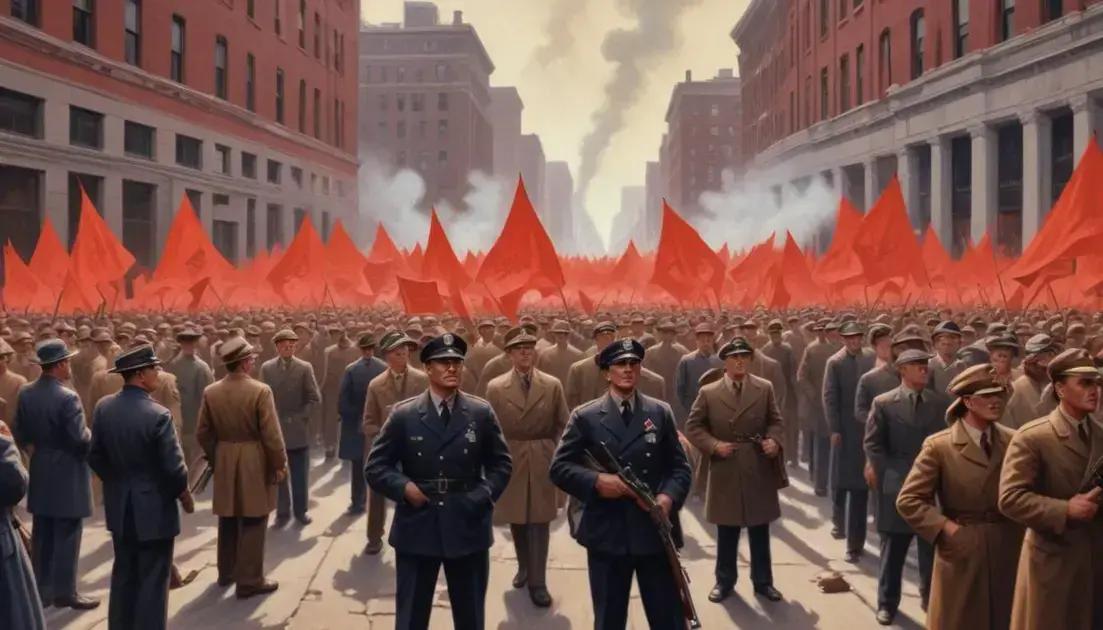
During the Cold War, ideological divisions were very clear. The world split into two main camps: the Western powers and the Communist bloc.
The West vs. The East
The West, led by the United States, valued democracy and capitalism. They believed in individual freedom and market economies. On the other hand, the East, led by the Soviet Union, promoted communism. They focused on state control and equality.
Impact on Society
These divisions shaped daily life. People were often grouped based on their beliefs. Tensions ran high, leading to conflicts and rivalries around the globe.
Consequences of Division
The Cold War wasn’t just a political struggle. It affected families, friendships, and communities. People were fearful and cautious of those with different views.
Legacy of Ideological Divisions
Even after the Cold War, these divisions had lasting effects. Many societies still feel the impact of this ideological split today. Understanding these divisions helps us learn from history.
Cultural Responses
Cultural responses during the Cold War were fascinating and diverse. Artists and writers used their talents to express thoughts on the ongoing tensions. Their work often reflected the struggles people faced in daily life.
Art and Propaganda
Both sides used art as a form of propaganda. The West celebrated freedom and individuality. In contrast, the East promoted ideas of unity and strength through collective effort.
Music and Literature
Music and literature provided powerful commentary. Many songs addressed political issues and social injustices. Books offered new perspectives on the human experience during these tense times.
The Role of Cinema
Films became a popular medium to tell stories. They portrayed the Cold War’s impact on personal lives. Some movies became iconic, reflecting the fears of the era while entertaining audiences.
Grassroots Movements
Cultural responses also involved grassroots movements. People came together to advocate for peace and understanding. These groups aimed to bridge the ideological divide and promote harmony.
Case Studies of Moral Blocs
Case studies of moral blocs during the Cold War reveal how beliefs influenced actions. Different communities banded together based on shared values and goals.
The Role of Religion
Religious groups formed moral blocs. They came together to fight against war and promote peace. These groups often organized protests and called for dialogue.
Grassroots Movements
Grassroots movements also played a key role. They united people from various backgrounds, emphasizing shared humanity over political differences. These actions brought attention to social issues.
Impact on Foreign Policy
Moral blocs influenced foreign policy decisions. Leaders had to consider public opinion and the pressures from these groups. The push for human rights became stronger and more visible.
Successful Campaigns
Several successful campaigns emerged from these moral blocs. For example, campaigns against nuclear weapons gained momentum, combining voices from various faiths and backgrounds.
Understanding these case studies helps us see the power of collective action. Moral blocs showed that when people unite for a common cause, their impact can be significant.
Legacy of Cold War Faith Dynamics
The legacy of Cold War faith dynamics still influences society today. Many lessons were learned from how religion interacted with politics.
Lasting Impact on Communities
Religious communities continue to influence social movements. They advocate for freedom, justice, and peace, echoing their Cold War roots.
Ongoing Ideological Conflicts
Some ideological conflicts began during the Cold War are still present. Religion remains a significant force in these debates, shaping perspectives and actions.
Interfaith Dialogues
The Cold War also sparked interfaith dialogues. Different religious groups came together to promote understanding and cooperation. These dialogues are important for peacebuilding efforts even today.
Global Perspective
The Cold War’s faith dynamics taught us that spirituality can unite people. It showed how common beliefs might foster collaboration across differences.
Understanding the legacy helps us navigate today’s challenges. It shows that faith can be a powerful tool for change.
Conclusion
In summary, the legacy of Cold War faith dynamics continues to shape our world today. Religious communities still play a vital role in social movements and discussions about justice and peace. The ideological conflicts that arose during this period remind us that beliefs have the power to influence actions both positively and negatively.
Interfaith dialogues sparked during the Cold War show us how understanding can bridge gaps. These conversations remain crucial as we face new challenges in society. Overall, recognizing the impact of faith dynamics helps us build a more cooperative and peaceful future. By learning from the past, we can work together for a better tomorrow.