Culture of Fear: Apocalypse on Screens and Newspapers
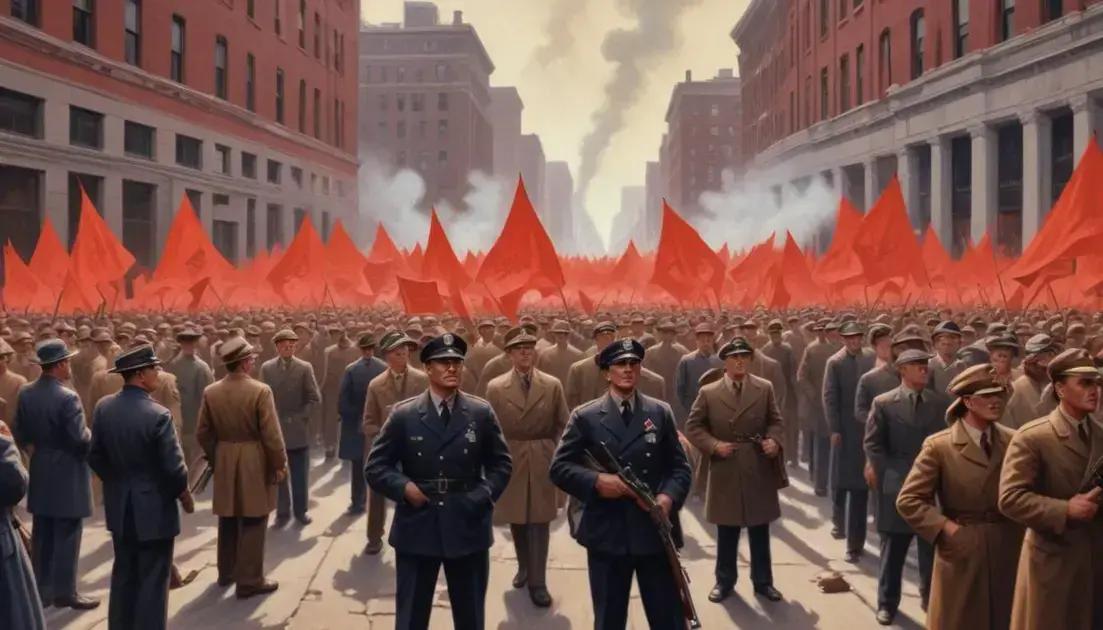
The culture of fear surrounding nuclear war influences our daily lives in various ways, affecting our mental state, social interactions, and educational experiences. This awareness shapes attitudes, leading to anxiety and social withdrawal. However, by focusing on community engagement, routine activities, and meaningful discussions, we can empower ourselves and others, promoting resilience and hope in the face of uncertainty regarding global threats.
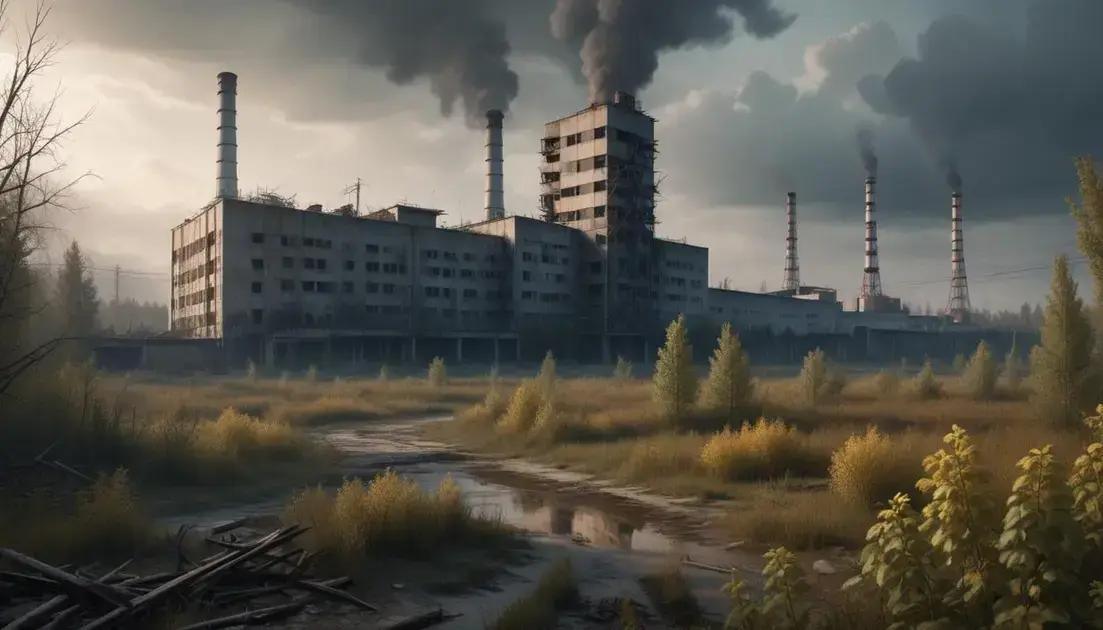
Nuclear war looms over our screens and newspapers, influencing culture in ways we often overlook. Join me as we explore its profound impact…
The Psychological Impact of Nuclear War
The threat of nuclear war can weigh heavily on our minds. It creates anxiety and fear that can affect our daily lives. People often feel helpless when they think about the possibility of such a disaster. Nuclear war has been a part of our culture for decades, shaping our films and media.
How Fear Shapes Our Minds
Fear can make us react in different ways. Some may become withdrawn, while others might take action to feel more in control. Movies like “Dr. Strangelove” and “The Day After” show us these feelings in powerful ways. They help us understand the fear that surrounds the idea of nuclear conflict.
The Effects on Daily Life
The fear of nuclear war can change how we see the world. It makes us worried not just about the future, but also about our relationships today. Conversations about these fears often arise in schools, breaking the silence about such a serious topic.
Coping with Fear
Finding ways to cope with the fear of nuclear war is important. Some turn to community efforts, while others focus on education and awareness. By talking about these topics, we can lessen the fear. It can be helpful to express feelings openly.
Knowing that others share the same worries can also ease our fears. Engaging in discussions about peace and understanding can bring hope, showing that we can strive for a better future together.
Nuclear War in Films
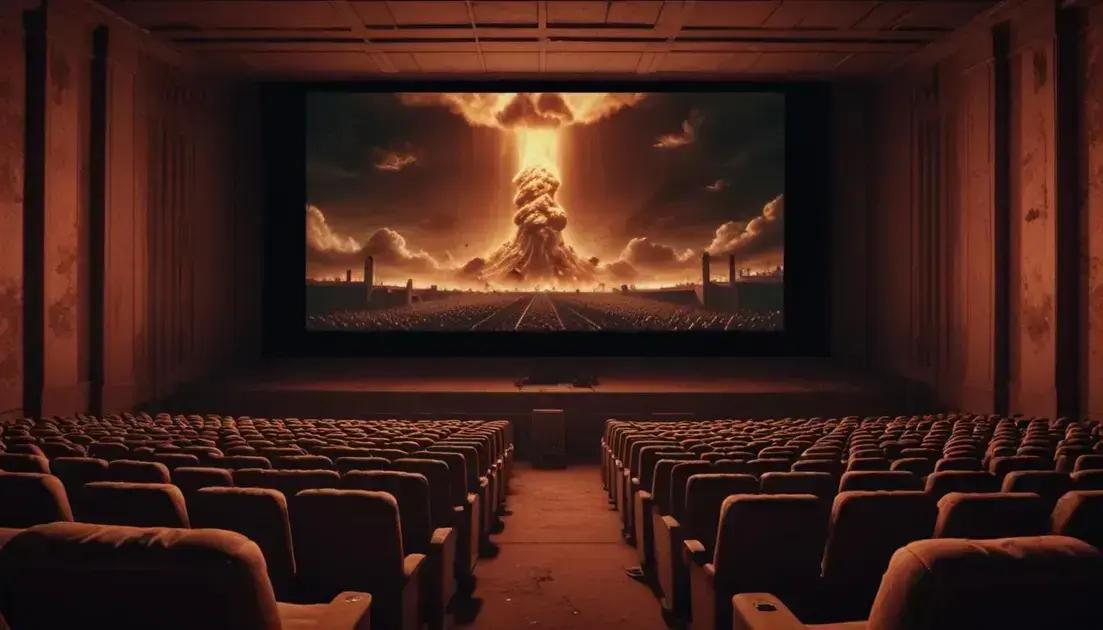
Nuclear war in films has a huge impact on how we view global conflict. Movies often highlight our fears and anxieties about nuclear war. They show what could happen if such a disaster ever occurred. Films like “Terminator 2” and “Threads” feature intense scenes that stick with us.
Influence on Culture
These films shape our understanding of nuclear conflict. They make the dangers feel very real. People often remember powerful scenes long after watching. This helps keep the fear alive in our minds.
Messages of Hope and Despair
Some movies present a bleak view of the future. Others promote unity and hope. For example, “The Day After” shows the destruction caused by nuclear war. It also encourages peace and understanding.
Real-Life Reactions to Films
When films about nuclear war are released, they spark discussions. Viewers often share their thoughts and feelings. These reactions can motivate people to care about nuclear issues. When films trigger conversations, we begin to explore the topic more deeply.
Nuclear war films remind us of the importance of peace. They challenge us to think about how our actions today can impact the future. By watching, we learn and become more aware of the potential consequences.
Fear Culture in Education
Fear culture has made its way into education. Schools often teach students about nuclear war and its consequences. This can create anxiety in young minds. Many students feel overwhelmed when learning about such serious topics.
The Role of History Classes
History classes cover events related to nuclear war. Teachers often discuss the Cold War and its impact. While it’s important to learn from the past, focusing too much on fear can be harmful.
Impact on Students
Students may feel scared or helpless when faced with these lessons. They might worry about a possible nuclear conflict in the future. This fear can distract from other subjects and learning goals.
Finding Balance in Education
It’s essential to balance fear with hope. Educators can promote discussions about peace and cooperation. Teaching conflict resolution and diplomacy can inspire students to work for a better future.
Using films and literature can also help. Engaging stories about overcoming fear can make these lessons more relatable. This way, education can empower students rather than frighten them.
Everyday Life and the Threat of Apocalypse
In today’s world, the threat of apocalypse can feel very real. Many people think about how nuclear war could change everything. This fear affects our everyday lives in big ways.
Daily Concerns
From movies to news, reminders of possible disaster are everywhere. Some people can’t stop thinking about what might happen. This constant worry can impact their mood and choices.
How It Affects Social Interaction
People might avoid talking about their fears. They often think others won’t understand. This can lead to feelings of isolation. But sharing these worries can help strengthen connections.
Finding Comfort in Routine
Many turn to routines for comfort. Daily activities can provide a sense of normalcy. Simple tasks, like cooking or exercising, help distract from heavy thoughts.
Engaging in community activities also helps. Joining a local club or volunteering can shift the focus from fear to purpose. It reminds us of the importance of community support.
By focusing on the present, we can ease our fears. Remembering to cherish small moments can brighten our outlook on life, even amid uncertainty.
Conclusion
In conclusion, the impact of nuclear war and apocalypse fears on our daily lives is significant. This culture of fear shapes our thoughts, behaviors, and even how we connect with others. It’s important to acknowledge these feelings and find ways to cope with them together.
By engaging in conversations and building community ties, we can support each other through these concerns. Finding comfort in simple routines and activities can also help us stay grounded. Ultimately, focusing on the present and nurturing connections with those around us will improve our well-being, helping us face uncertainties with hope and resilience.