Culture of Fear: Apocalypse on Screens and Newspapers
The influence of fear on society is profound, shaping media portrayals, education, and cultural reflections. Fear can enhance awareness about global threats, such as nuclear dangers and climate change, while also impacting individual behavior and community dynamics. Historical events illustrate how fear affects society’s response to disasters and political situations. Understanding these aspects allows for healthier discussions and coping mechanisms, ultimately fostering a more resilient society as we confront future challenges.
Culture of fear profoundly influences our lives today, shaping media portrayals and even our daily interactions. How does this pervasive fear dictate our global narratives? Let’s explore!
Impact of Fear in Media
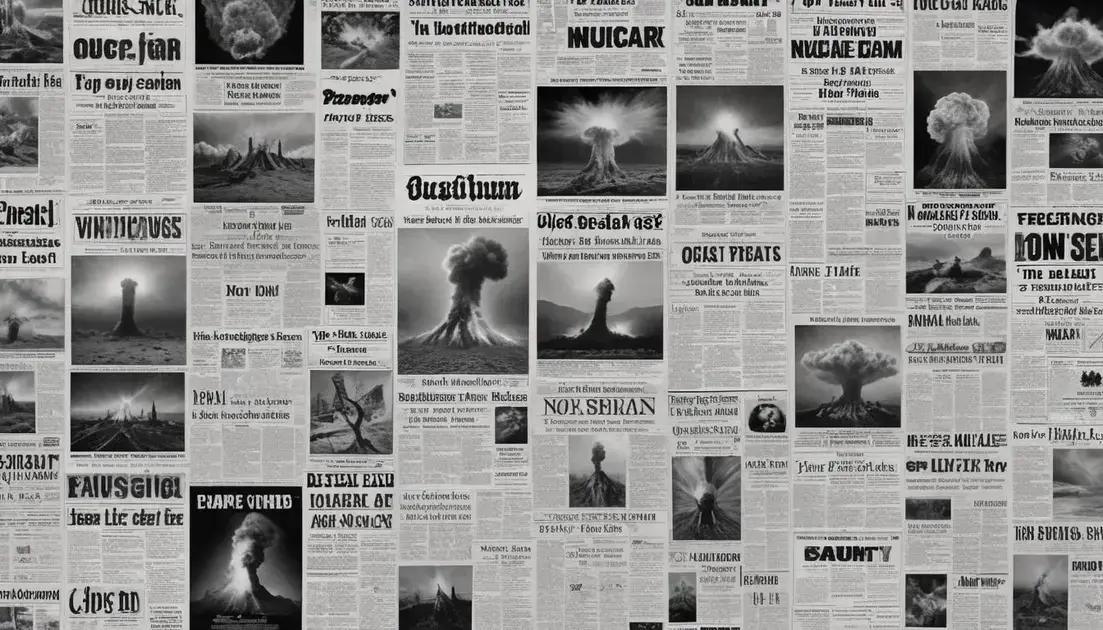
Fear in media has a significant impact on how we view the world. Movies, news, and television shows often present frightening scenarios that can shape our thoughts and reactions. These portrayals can amplify feelings of anxiety and concern among viewers.
For instance, during times of crisis, the media often highlights scary events. This can lead to a heightened sense of fear, even if those events aren’t happening close to home. It’s important to recognize how powerful these images and stories can be.
Films depicting nuclear war or disasters can leave a lasting impression. They create a sense of urgency about potential dangers. While these stories often entertain, they also reflect the real fears of society.
Furthermore, media can create a ‘culture of fear.’ This term describes how constant exposure to fearful messages can lead to a community’s overall anxiety. People may change their behaviors based on what they see and hear, even if there’s little reason to be afraid.
Understanding the impact of fear in media can help us become more critical viewers. We can choose to reflect on what we watch and read, rather than simply absorbing every message. It can empower us to engage responsibly with media, avoiding unnecessary panic.
Portrayal of Nuclear Threats in Cinema
The portrayal of nuclear threats in cinema has shaped our understanding of danger. Movies often depict dramatic scenarios involving nuclear weapons. These films can ignite fear and raise questions about safety.
One famous movie, Dr. Strangelove, uses humor to address the serious topic of nuclear war. While it’s a comedy, it shows how easily things can spiral out of control. This mix of humor and fear makes viewers think about the real issues.
Another impactful film is Threads, which presents a harrowing view of a nuclear attack. It focuses on the aftermath of such a disaster, illustrating the chaos and fear that would follow. This realism can stay with viewers long after they’ve seen it.
These films have a purpose. They’re not just entertainment; they reflect our fears and concerns about nuclear threats. They ask us to consider what the world might look like if things went wrong.
Viewing these stories can provoke important conversations about peace and security. They remind us that while cinema can entertain, it can also inform and challenge our perceptions of threat.
Historical Context of Fear in Society
The historical context of fear in society helps us understand its roots. Throughout history, fear has shaped communities in many ways. Events like wars, pandemics, and political turmoil often created widespread anxiety.
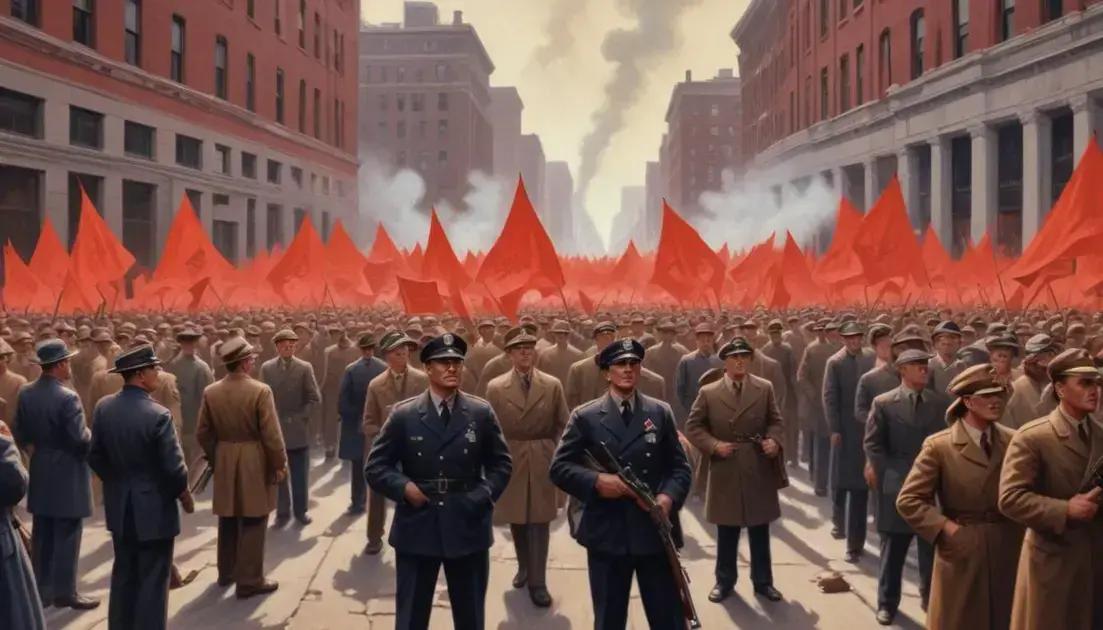
For example, during the Cold War, fear of nuclear war was common. It influenced politics and daily life. Many people lived with the constant worry of a potential attack. Schools even practiced drills, preparing kids for the worst-case scenario.
Pandemics also bring fear. When the fear of diseases spreads, people react strongly. In the early 1900s, fear of the flu pandemic led to quarantines and strict measures to stop the virus. This shows how fear can change laws and social behavior.
Moreover, societal fears often reflect deeper issues. For instance, fear of the unknown can lead to prejudice. History shows that during hard times, people may turn against each other, causing division.
Understanding the historical context of fear can help us see patterns. It sheds light on how past experiences shape our current fears, especially in media today. By learning from history, we can approach fear with more awareness and understanding.
Influence on Education and Behavior
The influence of fear on education and behavior is significant. Schools play a vital role in shaping how children perceive the world. They often teach about potential dangers, from natural disasters to social issues.
Fear can directly affect how students learn. For example, when schools conduct drills for events like earthquakes or lockdowns, they prepare students for emergencies. This can create anxiety but also instills a sense of readiness.
Additionally, fear might influence how teachers approach certain topics. They may emphasize topics like bullying or violence, aiming to keep students safe. While this awareness is essential, it can also lead to heightened anxiety among students.
In the classroom, discussions about global threats can impact behavior. Students may become more cautious or avoid certain activities. Fear can limit their willingness to express themselves freely.
Furthermore, society’s focus on fear can affect school policies. Schools may enforce stricter rules based on fears about safety issues. These changes can alter the overall learning environment, making it more restrictive.
Overall, the influence of fear on education is complex. While it can lead to awareness and safety, it can also evoke anxiety and limit freedom. Understanding this balance is crucial for educators and parents alike.
Future Projections and Cultural Reflections
Future projections about fear highlight important cultural reflections. As society changes, so do our fears. New technology, political developments, and global events shape how we view risks.
For instance, advancements in technology can bring new fears. As we rely on artificial intelligence and automation, concerns about privacy and job loss arise. People often wonder how these changes will impact their daily lives.
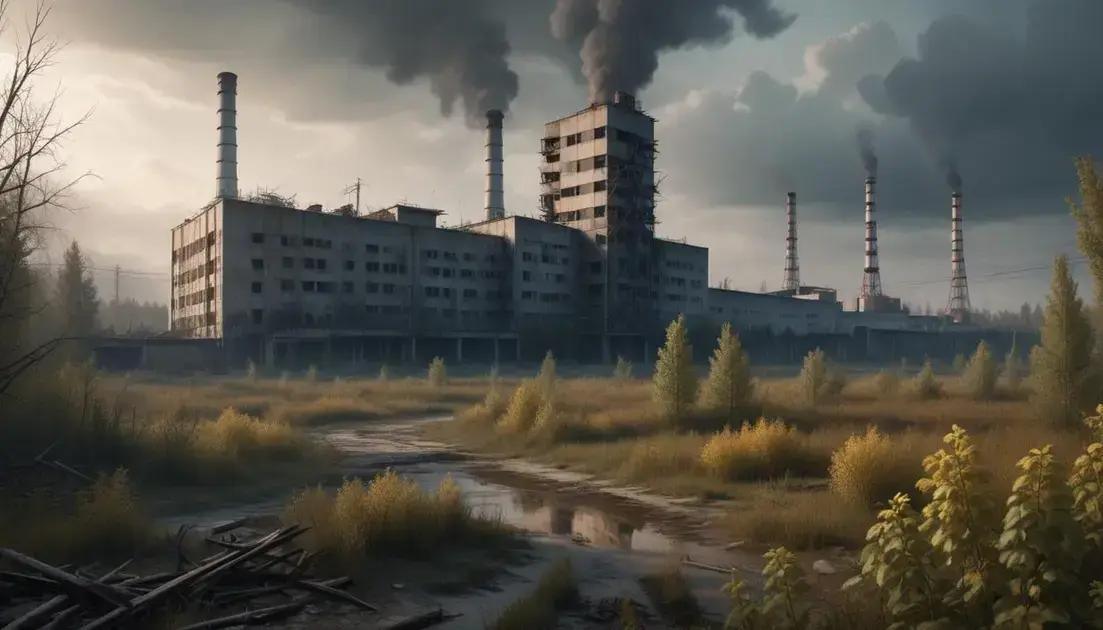
Environmental issues, like climate change, also create anxiety. People worry about future disasters and their effects on the planet. Movies and media frequently explore these themes, reflecting public concern.
Cultural reflections show how fear influences art and storytelling. Many films now focus on dystopian futures. These stories often highlight our fears about government control and societal collapse.
As we project into the future, the way we discuss fear can change as well. Open dialogues about mental health and emotional well-being are becoming more common. This encourages people to share their fears rather than bottle them up.
Ultimately, understanding future projections helps us navigate our fears. By recognizing our anxieties, we can better address them. This awareness can lead to a more balanced view of reality and allow for healthier emotional responses.
Conclusion
In conclusion, understanding the role of fear in our lives is crucial. From its portrayal in media to its impact on education and society, fear shapes how we interact with the world. As we look to the future, recognizing our fears can lead to healthier discussions and better coping strategies.
By reflecting on historical contexts and cultural influences, we can gain a clearer picture of our anxieties. Using this knowledge helps us address and manage fear more effectively. Encouraging open conversations about these topics allows us to support one another and reduce unnecessary panic.
Ultimately, by examining how fear affects us and how we project into the future, we can create a more informed and resilient society. Together, we can navigate our fears while promoting understanding and awareness.