Delphi: the ancient gateway to divine prophecy
The Oracle of Delphi was a key influence in ancient Greek society, guiding leaders and artists through its prophecies. Known for its cryptic messages delivered by the Pythia, it shaped decisions in politics and culture. Famous prophecies, like those given to Croesus and during the Trojan War, highlight its historical significance. Today, the legacy of the Oracle continues to inspire literature, philosophy, and art, showcasing its lasting impact on our understanding of fate and human choices.
Oracle of Delphi, a mystical site where ancient wisdom flowed, beckoned leaders and warriors alike for centuries. What secrets lie behind its enduring allure?
The Historical Significance of Delphi
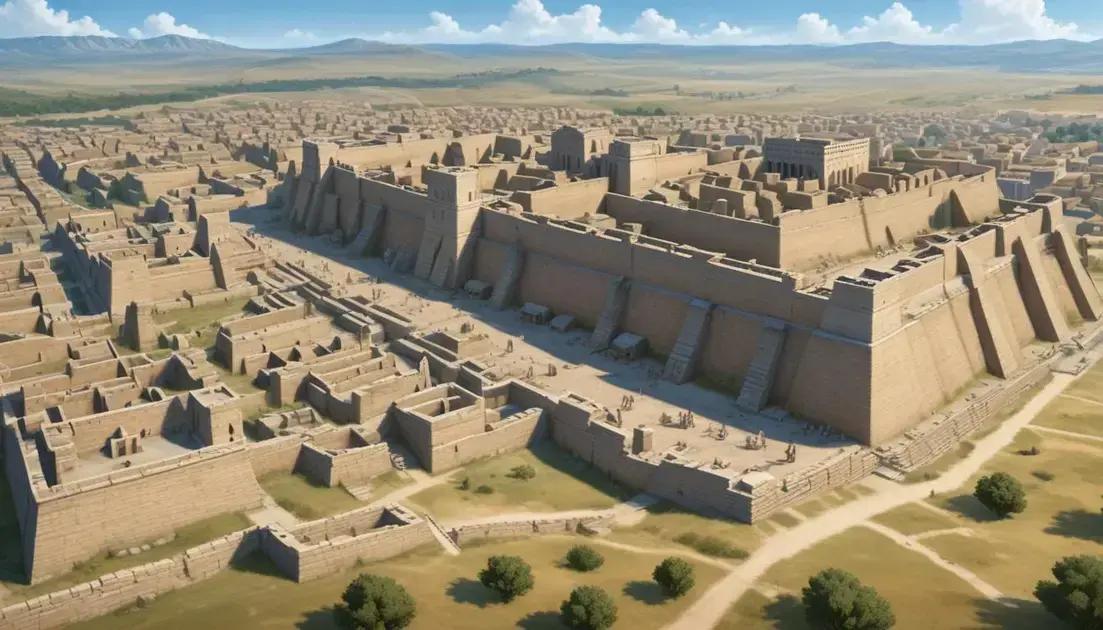
Delphi was so much more than just a location. It served as a central point in ancient Greece where various city-states and leaders came together. They sought out the wisdom of the Oracle. The Oracle was believed to communicate messages from the gods, especially Apollo. People traveled far and wide, hoping to gain insight about their future.
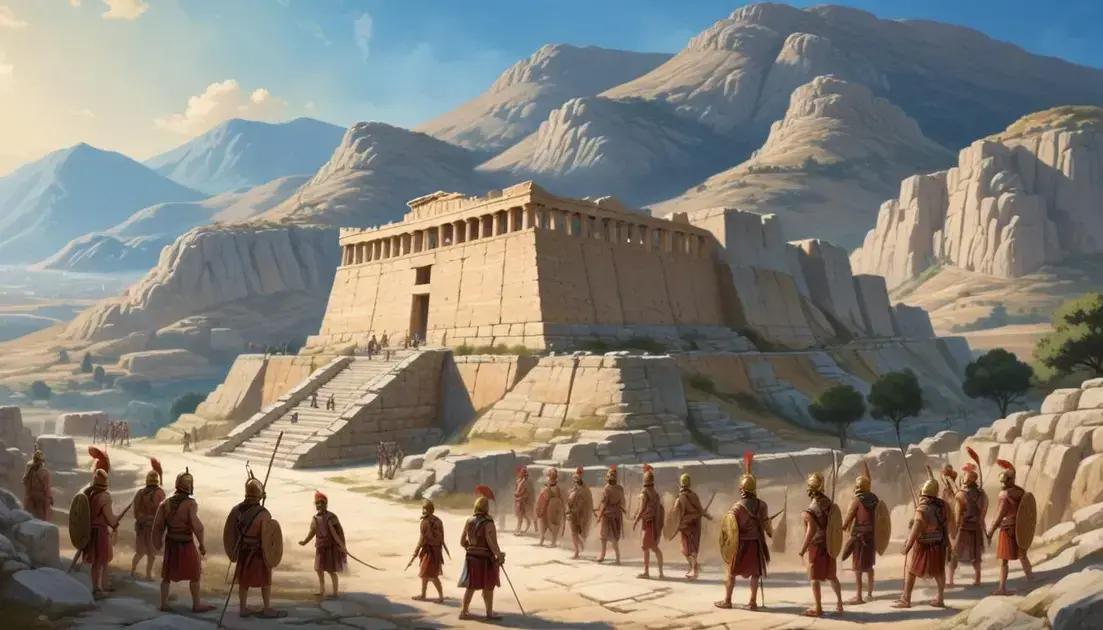
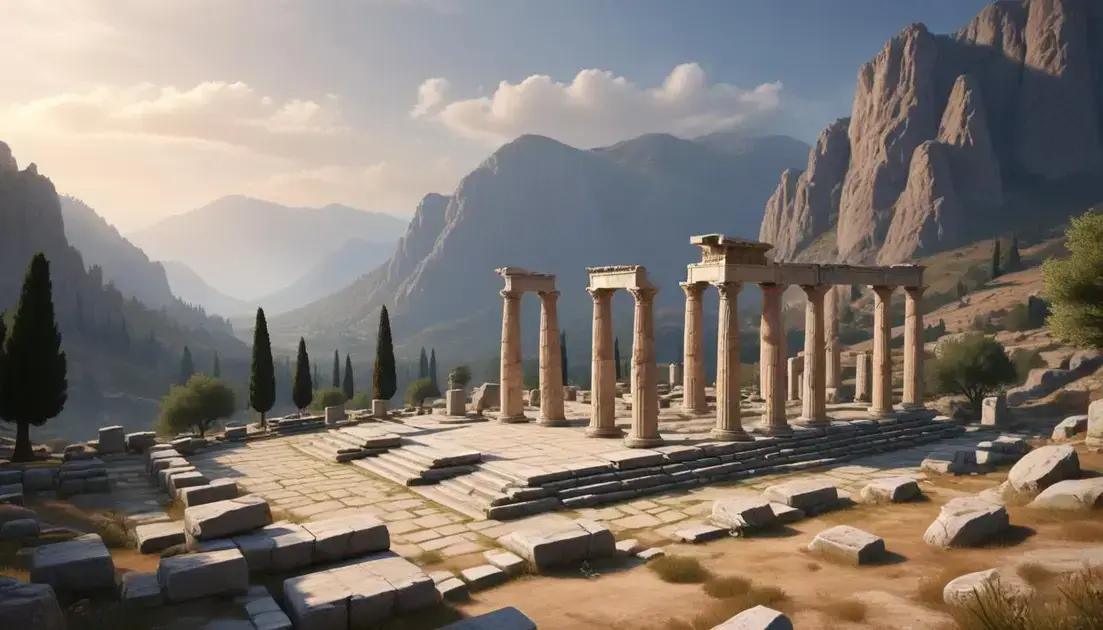
A significant feature of Delphi was its sacred temple, dedicated to Apollo. Inside, the priestess would enter a trance and deliver cryptic messages. These prophecies weren’t always clear, but they held deep meanings for those who listened. Many crucial decisions were made based on these insights, impacting wars, politics, and everyday life.
The site was also known for the Pythian Games, held every four years. This event included athletic competitions and artistic performances. It drew participants and spectators alike, highlighting the cultural importance of sports in ancient Greece.
Archaeologists and historians today still uncover artifacts at Delphi. These findings give us a window into the past, showcasing the significance of this sacred site in ancient society. Delphi’s influence extended beyond religion, shaping art, culture, and even philosophy.
Understanding the historical significance of Delphi helps us appreciate how traditions and beliefs were intertwined with daily life. This site was a place of hope, learning, and reflection for many.
The Oracle’s Role in Ancient Greece
The Oracle at Delphi played a vital role in ancient Greece. It was a sacred place where individuals sought advice from the gods. People traveled from far and wide to ask questions about their futures and decisions. The Oracle was known for giving cryptic answers, but these words carried great weight.
The priestess, known as the Pythia, delivered these prophecies. She would sit on a tripod over a crack in the earth, inhaling vapors that many believe altered her mind. This process made her a mouthpiece for Apollo, the god of prophecy. Her words were often vague, leaving interpretations up to those who listened.
Rulers and warriors relied heavily on the Oracle’s guidance. For example, before battles, commanders would seek divine advice. The decisions made after these consultations could change the course of history.
The Oracle’s influence wasn’t limited to politics. It also affected art, philosophy, and daily life. Many poets and philosophers visited Delphi to understand deeper truths through the Oracle’s messages. This blend of faith and reason was central to Greek culture.
The trust placed in the Oracle showed how important spirituality was to the people. Even today, Delphi fascinates historians and visitors, highlighting its lasting legacy in shaping ancient Greek society.
Famous Prophecies and Their Impact
The Oracle of Delphi is famous for many prophecies that changed history. One notable prophecy was given to Croesus, the wealthy king of Lydia. He asked if he should attack Persia. The Oracle told him that if he did, he would destroy a great empire. Croesus believed he would win, but the empire that fell was his own.
Another famous prophecy involved the Trojan War. The Greeks sought advice before sailing to Troy. The Oracle warned them that they would need a strong army to succeed. This advice set the stage for one of the most famous stories in Greek mythology.
The Pythia also predicted the victory of King Leonidas at Thermopylae. However, she warned that he would not survive. This prophecy stirred courage among the Spartans, who fought bravely even against overwhelming odds.
Many leaders took these prophecies seriously. They believed that listening to the Oracle could lead to success. This dependence on prophetic words shaped political decisions and military strategies. Even today, these stories remind us of the power of belief in the unknown.
Famous prophecies show how the Oracle influenced both individuals and nations. The balance between fate and free will was a major theme in ancient Greek life. These tales of foresight continue to resonate through time.
Cultural Legacy of the Oracle of Delphi
The Oracle of Delphi left a rich cultural legacy on ancient Greece and beyond. It influenced many aspects of life, including religion, art, and philosophy. The connection between the divine and human decisions fascinated people. Many saw the Oracle as a bridge to the gods.
The rituals at Delphi inspired artistic creations, from poetry to sculpture. Artists often depicted scenes related to the Oracle in their work. For instance, ancient playwrights wrote dramas exploring themes of fate and prophecy.
Philosophers like Socrates and Plato also regarded the Oracle highly. They viewed its prophecies as insightful wisdom. Many believed that understanding these messages helped people learn about ethics and morality.
Even today, the legacy of the Oracle can be seen in modern culture. Themes of prophecy and fate are common in stories, films, and books. Writers often draw inspiration from ancient Greek tales, exploring how predictions influence choices.
Delphi’s impact goes beyond the ancient world. It still attracts scholars and tourists alike. They come to understand its significance and the ideas it shaped. This continued interest shows how timeless the Oracle’s messages truly are.
Conclusion
In conclusion, the Oracle of Delphi played a vital role in shaping ancient Greek society. Its prophecies influenced leaders, artists, and thinkers. Many relied on the Oracle’s wisdom to guide their decisions and actions. The lasting cultural legacy of Delphi can still be felt today.
The stories of famous prophecies continue to inspire us. They remind us of the connection between fate and human choices. Art, philosophy, and literature still draw from these rich traditions. Understanding the Oracle allows us to appreciate its impact on history.
As we explore the teachings and tales of Delphi, we gain insight into our own lives. The ancient wisdom encourages reflection on our paths and choices. The Oracle remains a symbol of wisdom and the quest for knowledge, inviting us to seek answers in our own journeys.
Tags: