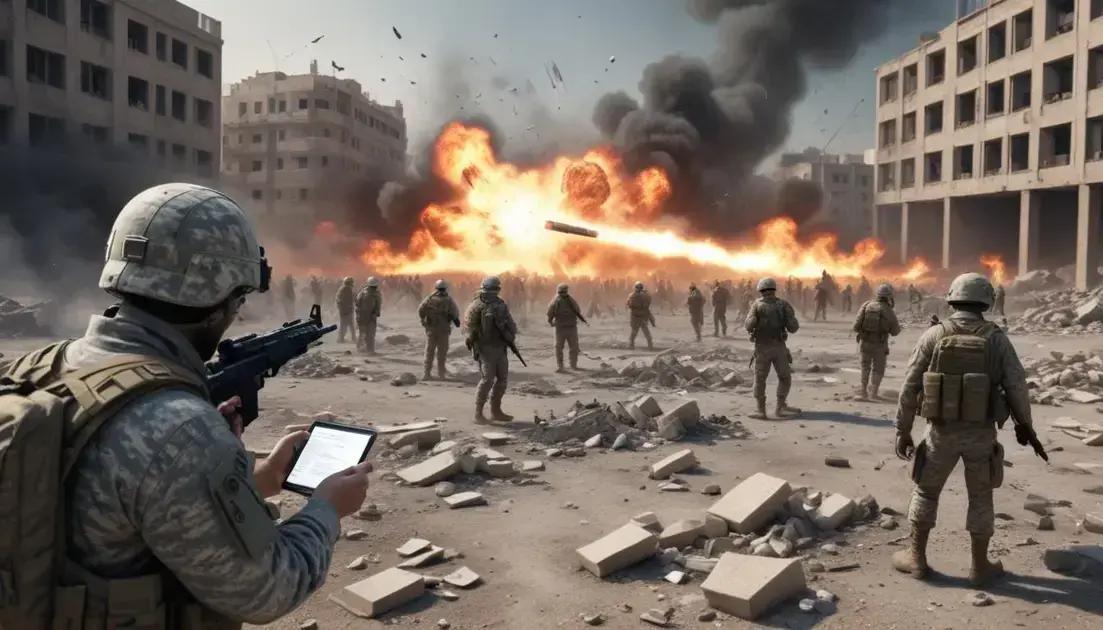
Disinformation: the new Cold War weapon
Disinformation poses a significant challenge in today’s digital landscape, impacting society by shaping public opinion and influencing behaviors. Effective strategies to combat disinformation include educating the public on media literacy, using fact-checking tools, and promoting collaboration between organizations. By staying informed and critically evaluating information sources, individuals can help reduce the spread of false narratives and protect their communities from misleading content.
Disinformation has emerged as a powerful tool in the new Cold War, playing a pivotal role in shaping narratives and influencing public perception. Have you ever wondered how misinformation spreads so rapidly and what it means for our understanding of truth?
The Rise of Disinformation: An Overview
The rise of disinformation is alarming. It affects how we think and make decisions. This issue isn’t new, but the internet made it easier to spread false information. Social media platforms play a big role in this. They can amplify misleading posts and create confusion.
Disinformation is more than just fake news. It includes everything from twisted facts to outright lies. It’s used in various ways. Some want to sway opinions, while others aim to create chaos. Understanding how disinformation works helps us identify it better.
Many people don’t realize they’re consuming disinformation. They might read a shocking headline and share it without checking its truth. That’s why education is crucial. Teaching people to verify sources can help cut down on misinformation.
Governments and organizations are aware of the dangers. They are working on plans to combat it. This includes increasing media literacy and promoting fact-checking. Community engagement is vital in this fight. The more informed people are, the better they can navigate this tricky information landscape.
In summary, the rise of disinformation is a significant challenge in today’s world. It’s essential to stay alert and critically evaluate what we see online. By doing so, we can protect ourselves and our communities from its harmful effects.
The Impact of Disinformation on Society
The impact of disinformation on society is profound. It shapes our views and can even change behaviors. When people believe false information, it creates confusion and distrust. This affects how communities interact and how politics works.
One example is the spread of disinformation during elections. Fake news stories can influence voting decisions. Many voters may choose candidates based on lies or misleading claims.
This kind of disinformation can also fuel division. When people share false information, it often leads to arguments and conflicts. It’s easier to form groups based on incorrect beliefs than to understand each other’s perspectives.
Furthermore, disinformation can harm public health. Misinformation about medications or vaccines can lead to dangerous choices. People might refuse help based on what they read online. This can lead to outbreaks and make it hard to control diseases.
Society must tackle this challenge together. Educating people about disinformation helps them spot lies. Effective media literacy programs are essential. They teach critical thinking and help individuals analyze what they read or see.
In the end, understanding the impact of disinformation on society is crucial. By staying informed, we can build a better environment for discussing important issues.
Case Studies of Disinformation in Modern Conflicts
Case studies of disinformation in modern conflicts show how damaging false narratives can be. One key example is the Syrian conflict. Various groups used social media to spread misleading information. This influenced public opinion and even affected foreign intervention.
Another instance is the Ukraine conflict. During the 2014 crisis, both sides shared disinformation to sway support. False images and videos circulated widely, creating confusion about what was happening on the ground.
These cases underline how disinformation can shift perceptions. People often rely on social media for news. This makes them vulnerable to believing false stories. Misinformation can spark fear and change the way conflicts are viewed.
Organizations have started tracking disinformation in these conflicts. They analyze how false claims spread and who spreads them. This can help defend against future disinformation campaigns. These insights are essential for governments and NGOs working in conflict zones.
In addition, understanding these case studies can help us become more discerning consumers of information. Knowing how disinformation is used makes it easier to spot and question misleading news.
Combating Disinformation: Strategies and Tools
Combating disinformation requires effective strategies and tools. First, educating the public is crucial. People need to recognize the signs of false information. Media literacy programs teach how to critically evaluate news sources. This empowers individuals to make informed decisions.
Fact-checking websites are great resources. They help verify claims and provide reliable information. Users can check headlines or viral posts to see if they’re accurate. This reduces the likelihood of sharing false information.
Technology also plays a role in fighting disinformation. Social media platforms are working to limit fake news. They use algorithms to identify and flag misleading content. This helps reduce its spread and keeps users informed.
Collaborating with trusted organizations is another strategy. Governments and NGOs can partner to promote accurate information. Campaigns can raise awareness about the dangers of disinformation. Sharing tips on how to spot it is essential, too.
Finally, encouraging open conversation is key. People should discuss information they see online. This creates a community that values truth. By sharing knowledge and experiences, we can all contribute to a healthier information environment.
Conclusion
In conclusion, combating disinformation is vital for a healthier society. By educating ourselves and others, we can recognize false information more easily. Tools like fact-checking websites and technology from social media platforms help us stay informed and reduce the spread of misleading content.
Collaborating with trustworthy organizations and promoting open conversations is also important. Together, we can create strong communities where accurate information is valued. Everyone has a part to play in this fight against disinformation. By staying aware and sharing knowledge, we can protect ourselves and others from the harmful effects of false narratives.
Tags: