Edessa: Bridge Between Hellenism and Eastern Christianity
Edessa, a historical city, is significant for its role as a cultural and religious hub where Hellenism and early Christianity intersected. It became a center of scholarly activity and artistic expression, contributing to the development of unique theological perspectives and translations of sacred texts. Today, it is recognized for its rich heritage and ongoing influence on modern communities, making Edessa a vital subject for those interested in cultural exchanges and historical studies.
Welcome to the fascinating story of Edessa, a city where cultures collided and Christianity flourished. Let’s dive into how this ancient place shaped religious thought!
The Historical Significance of Edessa
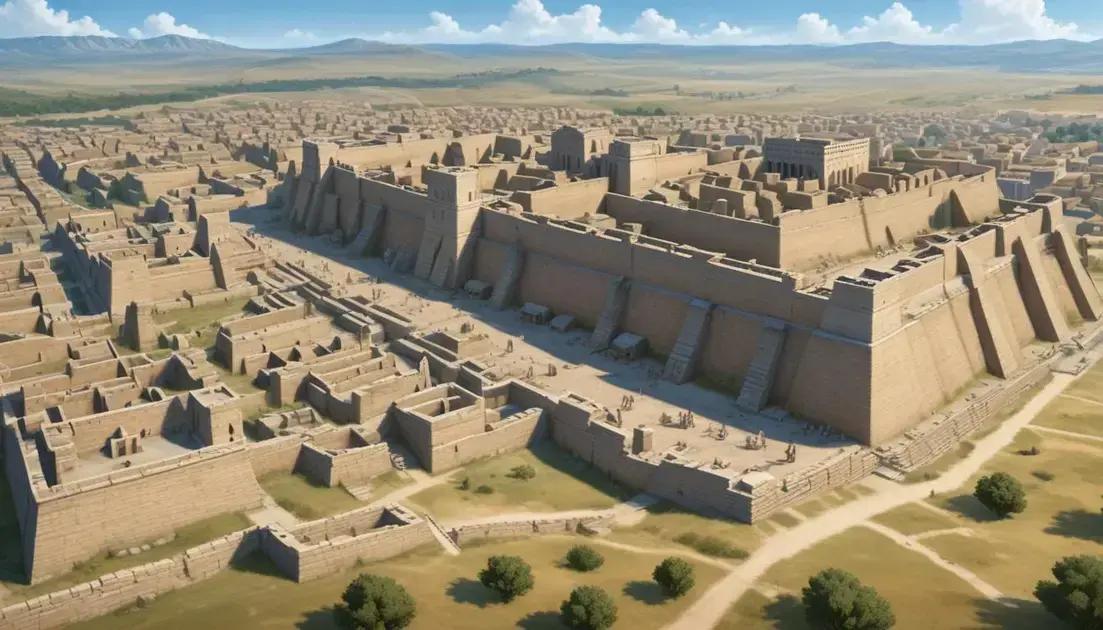
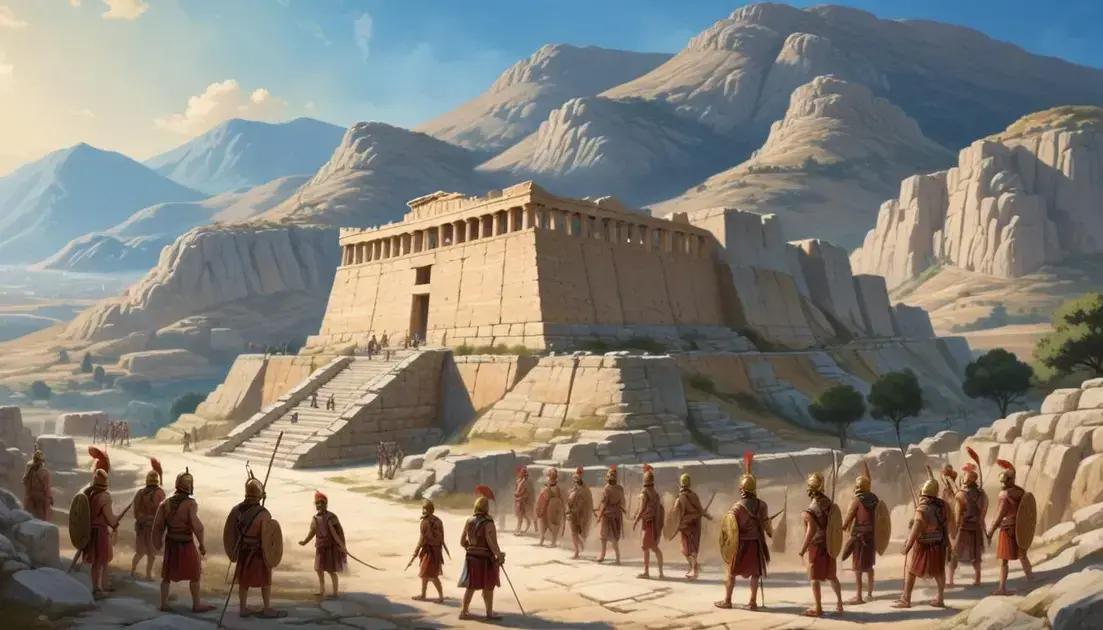
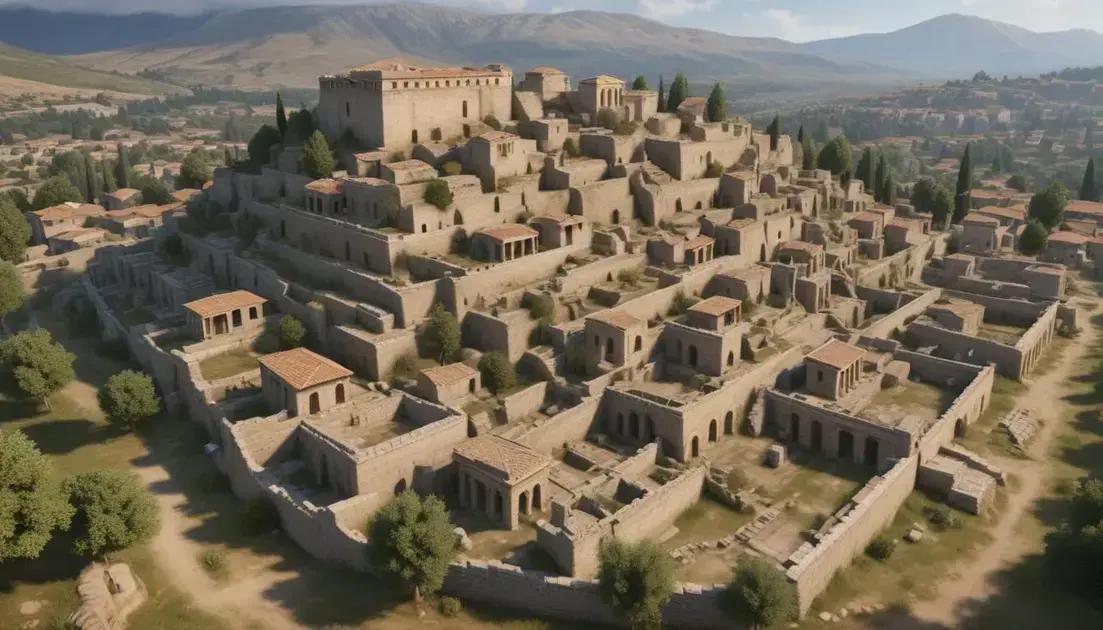
Edessa has a rich history that dates back thousands of years. This ancient city was a melting pot of cultures. It played a key role in connecting the Greek and Eastern Christian worlds.
Ancient Foundations
Founded around the 4th century BC, Edessa was originally known as Urfa. It was home to various civilizations, including the Greeks and Romans. The city’s strategic location made it an important trade and cultural hub.
Christianity’s Early Influence
By the 1st century AD, Edessa became a vital center for early Christians. It was here that the famous Edessene theology developed. The city hosted scholars who made significant contributions to Christian thought.
Cultural Interactions
Edessa was unique because it blended various cultural influences. Greek philosophy mingled with Mesopotamian and Persian ideas. This blend enriched the local traditions and religious practices.
Modern Importance
Today, Edessa is a symbol of cultural and religious coexistence. Its historical significance continues to inspire scholars and visitors alike. The stories of its past remind us of the importance of understanding and unity.
Cultural Interactions in Edessa
Edessa was a key place for cultural interactions in ancient times. Many people from different backgrounds met and shared ideas. This exchange shaped the city’s unique identity.
Blending Traditions
The city’s strategic location allowed for the mix of Greek, Mesopotamian, and Persian cultures. Edessa embraced these influences and created a vibrant society. People celebrated festivals and traditions that reflected this diversity.
Art and Philosophy
Artists and philosophers from various cultures contributed to Edessa’s rich heritage. Greek philosophy and Mesopotamian art blended together. This fusion brought about innovative thoughts and beautiful works.
Language and Literature
In Edessa, the use of multiple languages was common. Greek and Aramaic were widely spoken. This multilingual environment encouraged a flourishing of literature, including early Christian texts.
Religious Interactions
Edessa was also a melting pot for religious beliefs. Different faiths coexisted peacefully. This harmony allowed for dialogue and understanding between various religious communities.
Influence on Early Christianity
Edessa played a crucial role in the development of early Christianity. This city was a center for Christian thought and culture. Many scholars made important contributions here.
Home of Early Christians
By the 1st century AD, Edessa welcomed many Christians. The city became a safe haven for believers. Its acceptance of diverse ideas helped Christianity grow.
The Edessene Theology
A unique theology started to emerge in Edessa. Scholars wrote about Christ’s teachings in ways that connected with local beliefs. This helped spread Christian ideas further.
Translation of Sacred Texts
Edessa was also important for translating Christian texts. The Old Testament was translated into Syriac here. This made the scriptures accessible to many more people.
Religious Syncretism
This city had a mix of different religions. Such diversity allowed for a blend of practices. Early Christians in Edessa were able to share and adapt their beliefs with others.
Visions of Hellenism and Spirituality
Edessa was a unique crossroads of Hellenism and spirituality. This blend shaped the city’s character and beliefs. People here engaged with both Greek philosophy and spiritual teachings.
The Influence of Hellenism
Hellenism brought new ideas and art to Edessa. Greek thought influenced local culture and education. Citizens valued wisdom, beauty, and intellectual discussions.
Spiritual Practices
Alongside Hellenism, various spiritual practices thrived. Many residents practiced diverse religions. This openness to different beliefs created a rich spiritual environment.
Philosophical Dialogues
In Edessa, people often debated ideas about life and the divine. These conversations helped develop new thoughts and beliefs. Hellenistic philosophy encouraged a deeper understanding of spirituality.
Artistic Expressions
Artists in Edessa blended styles from both cultures. They created sculptures and paintings that reflected this mix. Their work often depicted themes of spirituality using Hellenistic forms.
Modern Perspectives on Edessa
Today, Edessa is viewed as a symbol of cultural and religious harmony. Modern scholars study its rich history for insights into cultural exchanges. People are fascinated by its unique blend of influences.
Cultural Heritage
Edessa’s past is important for understanding the current cultural landscape. It remains a source of pride for local communities. The city’s history is celebrated through festivals and educational programs.
Scholarly Research
Researchers continue to explore Edessa’s role in early Christianity and Hellenism. Their findings shed light on how cultures influence one another. This research highlights the relevance of Edessa in today’s world.
Tourism and Education
Visitors come to Edessa to learn about its rich heritage. Museums and historical sites draw attention. Guided tours help people understand its significance in history and religion.
Community Engagement
Local communities are actively engaging with their history. They organize events to foster a sense of belonging. This connection to Edessa’s past helps keep traditions alive and cultivates pride.
Conclusion
In conclusion, Edessa stands as a remarkable example of cultural and religious blending. Its history shows how different ideas and beliefs can come together. From early Christianity to Hellenism, Edessa has influenced many paths of thought.
Today, modern perspectives on Edessa help us appreciate its rich heritage. Scholars, tourists, and local communities work to keep its story alive. This city reminds us of the importance of understanding our past while looking toward the future.
As we explore Edessa’s history and cultural significance, we learn valuable lessons about acceptance and diversity. Celebrating this heritage not only enriches our knowledge but also strengthens our connections to one another.