Education and Indoctrination: The Invisible Field of the Cold War
Education during the Cold War significantly shaped children’s perceptions of history and politics. Schools emphasized ideologies such as democracy while downplaying others like communism, creating a biased worldview among students. Activities like debates and specific teaching materials reinforced national pride, leading to a lasting impact on how this generation viewed global issues. Recognizing this educational influence helps explain contemporary perspectives on historical events and the importance of teaching diverse viewpoints in today’s classrooms.
In the realm of history, Cold War education often revealed surprising layers of ideological indoctrination. Have you ever wondered how children were influenced by political narratives? Let’s explore!
Introduction
When we think about the Cold War, we often imagine spies, politics, and big events. But have you ever considered how this period shaped education for children? During the Cold War, kids learned history and politics in a unique way. Their education wasn’t just about dates and facts; it was wrapped in political messages and ideologies.
Schools were not just places for learning—they were tools for indoctrination. Children absorbed ideas that reflected the values of the time. For example, curriculums were often designed to highlight the importance of democracy while casting communism in a negative light. This approach helped shape their worldview even before they understood it fully.
Teachers sometimes encouraged students to think like patriots. They used various activities, like essays and projects, to instill a sense of loyalty. The lessons of the time emphasized the need to be aware of global politics, shaping young minds to support national interests.
These educational practices weren’t just about knowledge. They instilled values and beliefs that influenced generations. Even today, the impact of such teaching can be seen in how history is understood and discussed. Recognizing this influence helps us understand why people think the way they do about past events today.
So, how did this style of education affect kids back then? Understandably, these experiences left lasting impressions, shaping their perspectives on issues long after the Cold War ended.
Understanding Ideological Indoctrination
Understanding ideological indoctrination can be eye-opening. During the Cold War, education played a big role in shaping young minds. Schools often taught students to favor one political ideology over another. This created a strong sense of loyalty to their country.
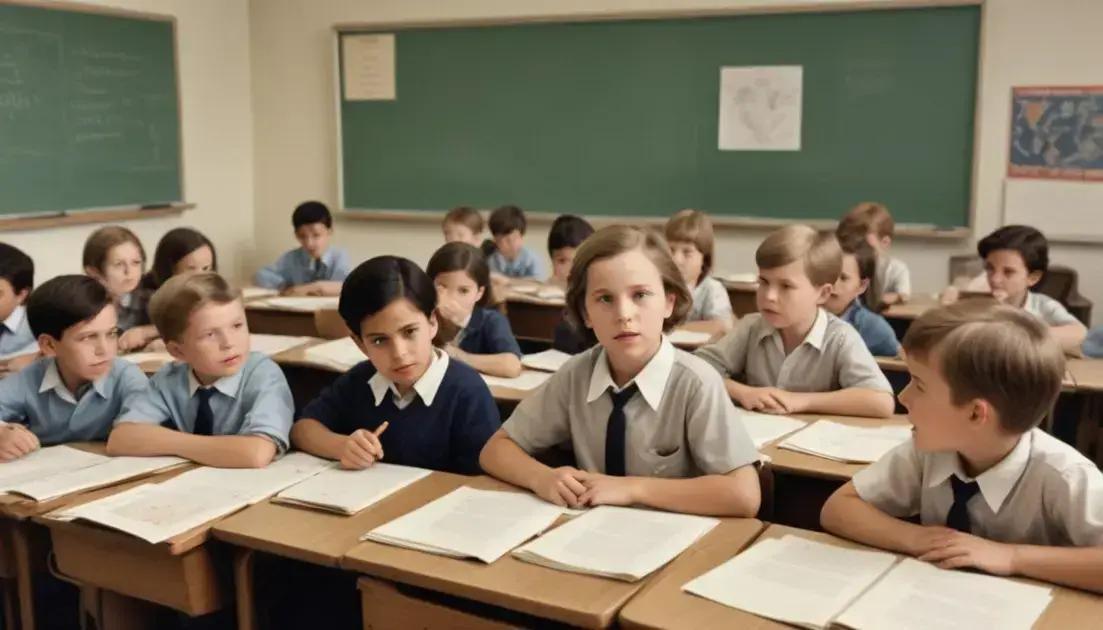
In classrooms, teachers used specific examples to illustrate their points. They emphasized differences between democracy and communism. Kids learned to think about their world in a way that aligned with these teachings. This meant they weren’t just absorbing facts; they were being influenced to adopt certain beliefs.
For instance, lessons highlighted the dangers of communism while celebrating democratic values. Students were encouraged to discuss these ideas openly in class. This dialogue helped to reinforce the prevailing ideologies of the time.
Moreover, educational materials like textbooks were carefully selected. They often contained messages that supported the ideological stance of the government. This meant that the information kids received was not always balanced.
Such practices led to a generation of children who viewed the world through a specific lens. The impact of this indoctrination continues to influence how history is perceived today. Recognizing this helps us understand the lasting effects of education in shaping beliefs.
The Role of Education in Shaping History
The role of education in shaping history is crucial, especially during the Cold War. Education did more than teach facts; it influenced how students view their world. Through lesson plans and teacher discussions, kids learned to interpret historical events.
School curriculums were often designed to promote certain ideologies. For instance, children learned about democracy while being warned about communism. This approach helped mold their opinions and ideas about political systems.
Teachers played a key role in this process. They encouraged students to engage with different historical viewpoints. This led kids to think critically about their country and its place in the world.
Textbooks and teaching materials were also selected carefully. Many contained strong messages that supported national interests. This meant students often got a specific narrative, one that aligned with government beliefs.
As a result, the education system helped form a collective memory that favored one perspective. Kids didn’t just memorize facts; they absorbed ideals and beliefs that would stick with them for life. Understanding this helps us see why certain views persist in society today.
Case Studies of Cold War Education
Case studies of Cold War education reveal how schools taught students about the world. One notable example is the “Duck and Cover” drills. These were practiced in many schools to prepare children for potential nuclear attacks.
During these drills, children learned to hide under their desks. Teachers explained the dangers of nuclear war, making it seem real and immediate. This method instilled fear but also awareness of global politics.
Another example includes history lessons focusing on key events. Students studied the Berlin Wall, which became a symbol of the Cold War. Teachers used this to discuss democracy and freedom vs. oppression.
Textbooks from this period often included strong political messages. They highlighted the U.S. as a protector of freedom against communist threats. Such narratives shaped children’s understanding of their country’s role in the world.
Schools also organized debates and discussions around these topics. Students were encouraged to express their opinions and think critically. This approach helped foster a sense of civic responsibility and awareness of international issues, even at a young age.
Conclusion
Education during the Cold War played a pivotal role in shaping how children understood the world. The lessons taught were not just academic; they were infused with political ideologies. This made school an essential part of growing up during that time.
Through various activities, kids learned about the values of democracy and freedom. They also developed a strong sense of national pride. Activities like debates and discussions allowed students to express their thoughts and understand different viewpoints.
However, it’s important to recognize that this education was one-sided. Textbooks often presented a narrow view of history. They focused more on promoting national achievements and less on global contexts.
Such practices shaped a generation that viewed the world through a unique lens. Understanding this helps us see the lasting impact of Cold War education on today’s society. The beliefs and values formed in those years still influence how history is perceived and discussed.
Conclusion
In conclusion, education during the Cold War had a big impact on how children viewed their world. It wasn’t just about learning facts; it shaped their beliefs and values. Through lessons about democracy and freedom, students developed a sense of national pride that stayed with them.
However, this education often presented a narrow view of history. Textbooks and classroom discussions highlighted specific ideas, sometimes ignoring other perspectives. This one-sided approach has lasting effects on how history is understood today.
By recognizing these influences, we can better understand the beliefs that shaped a generation. The lessons learned in those classrooms still echo in our society. Moving forward, it’s important to encourage open-mindedness and critical thinking to ensure a more balanced view of history for future learners.