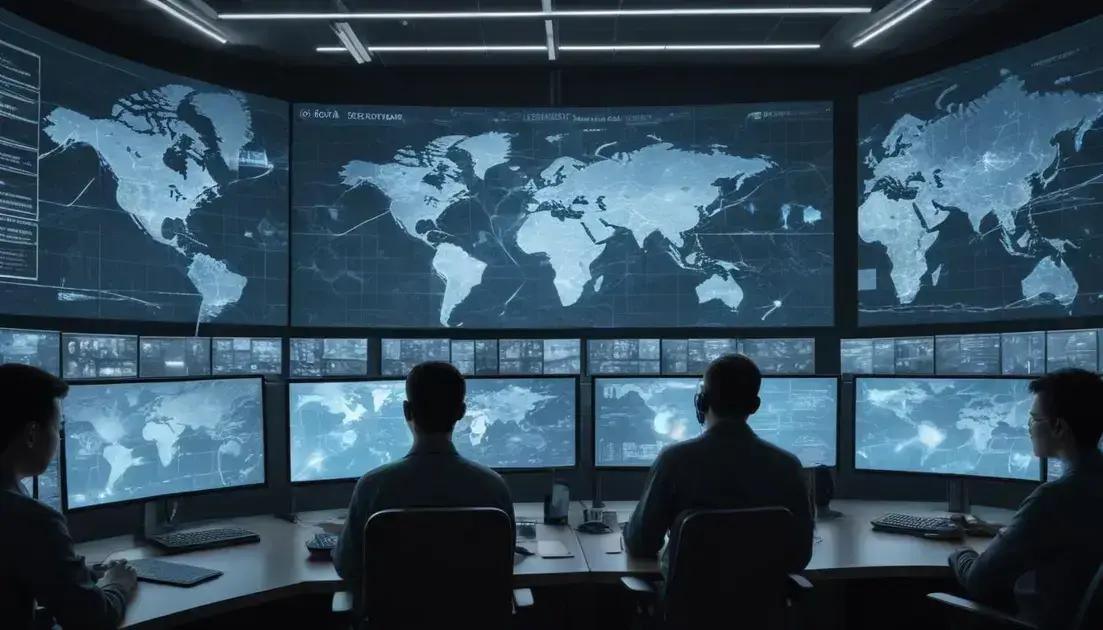
Edward Snowden and the secrets of global surveillance
Digital surveillance, significantly impacted by Edward Snowden’s revelations, raises ongoing debates about privacy and security. As technology advances, new tools gather data more efficiently, leading to public concern over personal freedoms. Governments are adjusting regulations to protect citizens while maintaining safety. The future will require a careful balance between enhancing security measures and respecting individual privacy rights, making public awareness crucial in this evolving landscape.
Surveillance has become a household term thanks to Edward Snowden. His daring leaks opened our eyes to the intricate world of digital spying. But what does this mean for us?
The Origins of Surveillance
The origins of surveillance date back centuries. In ancient times, kings and rulers monitored their subjects to maintain control. They used spies and informants to gather information.
As time passed, surveillance evolved. In the 20th century, technological advancements changed the game. Governments began using cameras, wiretaps, and other tools to watch over people.
The Cold War heightened surveillance efforts. Nations spied on each other, fearing threats. This era saw the rise of secretive agencies like the CIA and KGB.
Modern surveillance includes digital technologies. Today, our phones and computers collect data constantly. Governments and companies monitor online activity to understand behaviors.
While some surveillance aims to protect, it raises privacy concerns. People debate how much monitoring is acceptable. The line between safety and invasion of privacy can feel blurry at times.
Do we really want to live in a world where we are always watched? It’s a question worth asking as technology continues to grow.
Snowden’s Revelations
Snowden’s revelations shocked the world. In 2013, Edward Snowden leaked classified documents. These documents showed how governments collect vast amounts of data on people.
His leaks revealed the National Security Agency’s (NSA) programs. The NSA monitored phone calls, emails, and online activities. Many realized their privacy was at risk.
Snowden’s actions sparked global debates. People questioned if governments go too far to ensure safety. Privacy advocates began demanding greater transparency.
The leaks also exposed international spying. Countries were caught spying on allies and citizens alike. This made relations between nations tense.
Snowden’s revelations changed how we view surveillance. Many people started paying more attention to their online activities. They became aware of who might be watching.
Even today, his impact is felt. Discussions around privacy rights and online security continue. Snowden’s story reminds us to think about how we protect our personal information.
Impact on Global Politics
The impact on global politics from surveillance is significant. After Snowden’s leaks, many countries reevaluated their spying practices. Trust between nations was shaken due to revealed secrets.
Some governments faced backlash from their citizens. People demanded more transparency about government actions. They wanted to know how their data was being used.
This shift led to new laws. Many countries started to strengthen privacy regulations. Laws like the GDPR in Europe aimed to protect personal information more effectively.
Diplomatic relations were also affected. Countries began to criticize each other for spying activities. This increased tensions, especially between allies.
In some cases, surveillance became a tool for political gain. Leaders used information to manipulate or pressure opponents. This raised ethical questions about the proper use of surveillance.
Overall, the global political landscape is more cautious now. Nations must balance security needs with respecting citizens’ rights.
Privacy vs. Security Debate
The privacy vs. security debate is a hot topic today. People want safety but also value their privacy. When governments increase surveillance, many worry about losing their freedoms.
Supporters of security argue that surveillance helps prevent crime. They believe that monitoring can protect citizens from threats. It’s a way to catch criminals before they act.
On the other hand, privacy advocates warn against too much surveillance. They argue that constant watching can invade personal lives. Everyone deserves to feel safe and private in their own homes.
This debate often leads to heated discussions. Some feel that sacrificing privacy is not worth it, even for safety. Others think that a little oversight is a fair price to pay for security.
Many countries are trying to find a balance. Laws are being made to protect both privacy rights and security needs. It’s a tough challenge, but a necessary one.
As technology grows, this debate will likely continue. Understanding the issues helps us fight for both privacy and security.
Future of Digital Surveillance
The future of digital surveillance is evolving quickly. Technology keeps changing how we monitor activities. From social media to smart devices, our data is everywhere.
New tools make it easier to gather information. Artificial intelligence and big data are two examples. These advancements help identify patterns and behaviors.
As tech gets smarter, so do privacy concerns. People worry about who is watching and why. Questions about who has access to data arise more often.
Government regulations will also change. Many countries are considering stricter laws on data privacy. This push aims to protect citizens while keeping security in mind.
Public awareness is growing. More people are learning about their digital footprints. They understand that their online actions can be tracked.
The balance between safety and privacy will be crucial. Finding this balance is key to keeping trust in technology.
In summary, digital surveillance is heading towards more sophisticated and mindful practices. As citizens, we must stay informed and engaged.
Conclusion
In conclusion, the impact of surveillance on our world is significant. From Edward Snowden’s leaks to the ongoing debate of privacy vs. security, it’s clear we face challenges. As technology advances, the way we monitor and protect ourselves will change.
Our understanding of digital surveillance is more important than ever. Awareness helps us navigate the balance between safety and personal freedom. It’s crucial for citizens to stay informed about their rights and the tools used to watch them.
As we look to the future, governments and tech companies must find ways to maintain security. At the same time, they should respect individual privacy. By working together, we can create a digital environment that upholds both safety and freedom.