Egypt’s Middle Kingdom: the age of rebirth
The Middle Kingdom of Egypt, lasting from around 2050 to 1710 BC, marks a significant era of cultural renaissance. Key achievements include advancements in art, literature, and monumental architecture, reflecting the nation’s beliefs and daily life. The political structure strengthened under powerful pharaohs led to unification and enhanced trade, while religious developments deepened the connection to the afterlife. Overall, this period laid the groundwork for Egypt’s future, leaving a lasting impact on its culture and identity.
Welcome to a captivating exploration of Middle Kingdom Egypt, a period marked by vibrant cultural shifts. Curious how art transformed and politics evolved during this time? Dive in!
Introduction to the Middle Kingdom
The Middle Kingdom of Egypt was a time of great change and renewal. It lasted from about 2050 to 1710 BC. During this period, Egypt saw art, literature, and political power grow in exciting ways. One of the key features of this era was the rise of strong leaders, known as pharaohs, who worked hard to unite the nation.
A major change was the move of the capital to Thebes, or modern-day Luxor. This city became the center of culture and religion. The Egyptians built impressive temples and grand tombs during this time.
Cultural Highlights
Art flourished in the Middle Kingdom. Craftspeople began creating beautiful sculptures and intricate jewelry. Writers produced fantastic stories and poetry. These works often featured themes of love, nature, and the afterlife, showing the importance of these ideas to the Egyptians.
Political Power
The Middle Kingdom is also known for its strong government. Pharaohs organized the country’s resources better than before. This helped with trade and security. They built more roads to help the movement of goods and troops.
Religion and Beliefs
Religion played a big role in daily life. People worshipped many gods, believing they influenced everything. Temples dedicated to these gods were built with great care. Death and burial practices also became more elaborate, reflecting the belief in an afterlife.
Overall, the Middle Kingdom was a fascinating time that laid the groundwork for Egypt’s future successes. Art, politics, and religion all worked together to shape this influential period.
Cultural Renaissance during the Middle Kingdom
The Middle Kingdom was a time of cultural renaissance for ancient Egypt. This period saw a big boost in art, literature, and social life. Artists and writers explored new ideas and styles during this exciting time. They celebrated daily life and the connection to the divine.
One of the coolest things about this period was the art. Artists created amazing sculptures, paintings, and jewelry. These works often showed gods, pharaohs, and daily activities. The attention to detail was impressive. This art helped to express the culture and values of the time.
Literature Flourishes
Literature also flourished during the Middle Kingdom. Writers penned stories that reflected their beliefs and values. Popular themes included love, nature, and adventure. Stories became more complex, featuring heroes and moral lessons.
The Importance of Music and Dance
Music and dance were vital parts of cultural life. They often played a role in religious ceremonies and celebrations. Musicians used a variety of instruments, like harps and flutes, to create beautiful sounds. These performances brought joy to people’s lives.
In summary, the Middle Kingdom’s cultural renaissance was a vibrant and creative period. The achievements in art, literature, music, and dance shaped Egyptian culture and left a lasting legacy.
Political Structure and Influence
The political structure of the Middle Kingdom was strong and organized. At the top was the pharaoh, who was seen as a god on Earth. The pharaoh made all the important decisions. Their power ensured stability and order across the land.
The pharaoh had a group of advisors. These advisors included nobles and high officials. They helped manage the country’s needs. Together, they oversaw laws, trade, and construction projects. This teamwork was essential to keeping Egypt running smoothly.
Administrative Regions
Egypt was divided into several administrative regions. Each region had its own governor. These governors were responsible for collecting taxes and maintaining peace. This system allowed for better control over distant areas.
The Role of Justice
Justice was also important in the Middle Kingdom. Laws were made to protect people and property. Courts were set up to resolve disputes. The pharaoh often acted as the highest judge.
The political influence of the Middle Kingdom extended beyond Egypt. Trade agreements and alliances were common. These relationships helped Egypt grow richer and more powerful.
Overall, the political structure of the Middle Kingdom was well-organized. This strong governance allowed Egypt to thrive and maintain its cultural identity.
Art and Monumental Architecture
Art and monumental architecture thrived during the Middle Kingdom of Egypt. Artists created beautiful sculptures, paintings, and jewelry that reflected their beliefs and daily life. The focus on detail was impressive and showed the skill of craftsmen.
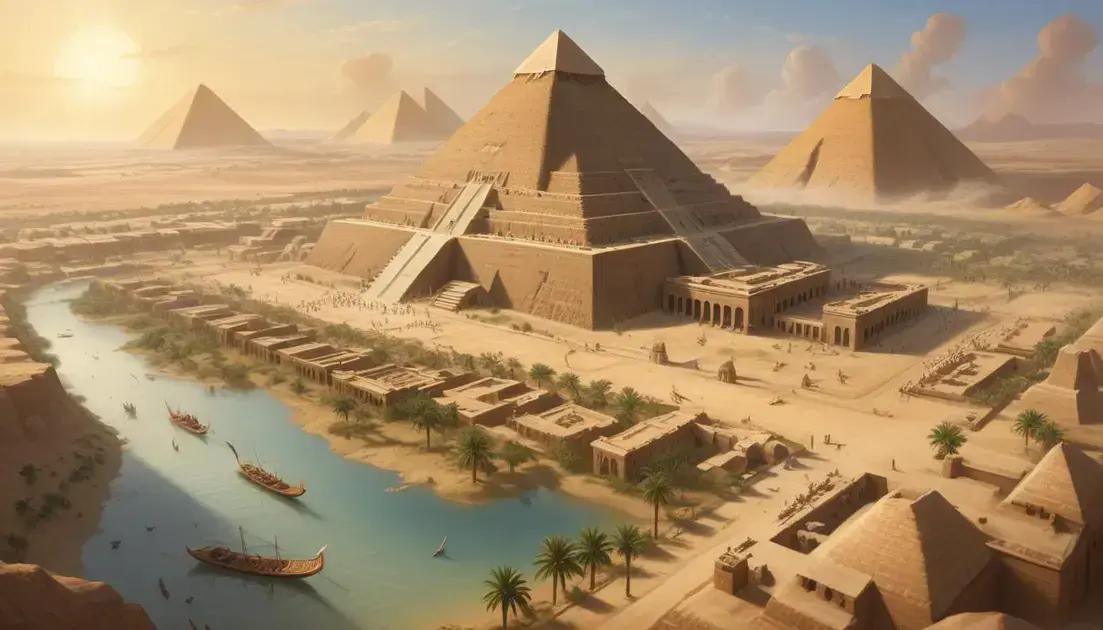
One of the most notable achievements was the construction of massive temples. These temples were dedicated to gods and goddesses, showcasing the Egyptians’ devotion. They featured grand columns and intricate carvings that told stories of their faith.
Sculptures and Reliefs
Sculptures from this period often portrayed pharaohs and important figures. They were made to honor and remember them. Many reliefs depicted scenes of everyday life and religious ceremonies. These artworks helped to record Egypt’s rich history.
The Importance of Tombs
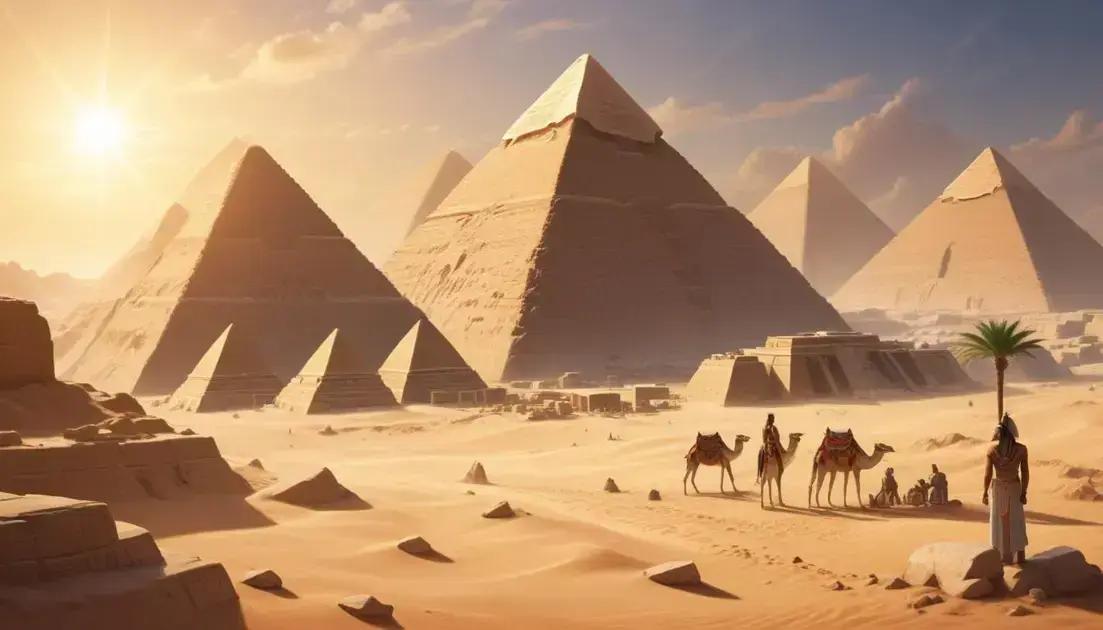
Tombs were also significant in the Middle Kingdom. They were built to ensure a safe passage to the afterlife. The famous burial sites, like the Valley of the Kings, were decorated with vibrant paintings and carvings. These decorations illustrated the deceased’s journey after death.
The art and architecture of the Middle Kingdom reveal a culture that valued beauty and spirituality. They aimed to connect the living with the divine and preserve their legacy for future generations.
Religious Developments
Religious developments during the Middle Kingdom played a crucial role in everyday life. Egyptians worshipped many gods and goddesses. Each had their own unique powers and stories that guided their followers.
A major focus was on the afterlife. Egyptians believed that life continued beyond death. Rituals and practices prepared them for this journey. Tombs were filled with items needed for the afterlife, such as food, tools, and statues.
The Rise of Osiris
Osiris became one of the most important gods during this time. He ruled the afterlife and judged the dead. His story of death and rebirth symbolized hope and renewal. Festivals celebrated his life, which included feasts and ceremonies.
Temples and Worship
Many temples were built to honor these deities. They were places for offerings and prayers. Priests played a vital role in maintaining the rituals. They performed daily ceremonies to keep the gods happy.
Religion guided the laws and values of society. It influenced art, politics, and family life. For many Egyptians, faith brought comfort and purpose.
The religious developments of the Middle Kingdom contributed to a strong sense of community. They helped shape the unique identity of ancient Egyptian culture.
Conclusion: Impact of the Middle Kingdom
The Middle Kingdom left a lasting impact on ancient Egypt and the world. It was a time of stability, growth, and cultural achievement. This period saw advancements in art, literature, and architecture, setting standards that influenced future generations.
One key impact was the unification of Egypt under strong leadership. The effective governance allowed for better resource management and trade. This helped boost the economy and strengthen the nation.
Cultural Legacy
The artistic and literary contributions during the Middle Kingdom shaped Egyptian identity. The stories and artworks created at this time are still admired today. They reflect the values, beliefs, and daily life of ancient Egyptians.
Religious Influences
The developments in religion also had a significant impact. Beliefs about the afterlife and the importance of deities influenced culture and society. This strong religious foundation guided the Egyptians’ actions and decisions for centuries.
Overall, the Middle Kingdom’s impact can still be felt today. Its contributions to art, politics, and religion made Egypt a powerful civilization that continues to fascinate historians, artists, and the public alike.
Conclusion
In conclusion, the Middle Kingdom of Egypt was a remarkable era that greatly influenced the culture, politics, and religion of ancient society. The advancements made in art and architecture during this time showcased the Egyptians’ creativity and skills. They built impressive temples and created beautiful sculptures, which still inspire us today.
The strong leadership of the pharaohs united the country and allowed it to thrive. Trade and management improved, making Egypt a powerful nation. Additionally, religious beliefs became deeper, shaping how people lived and interacted.
Overall, the impact of the Middle Kingdom is profound and lasting. It laid the groundwork for future generations and helped shape Egyptian identity. The stories, art, and traditions from this time continue to fascinate us and remind us of the rich history that has shaped our world.