End of USSR: The Collapse of the Communist Empire
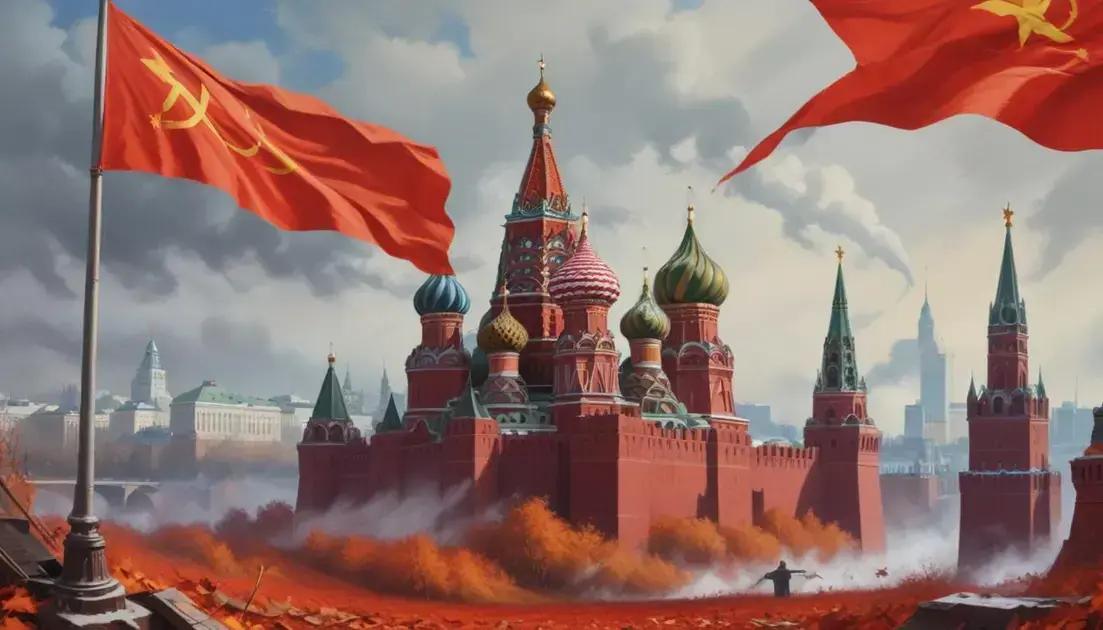
The collapse of the USSR led to significant changes in global politics, resulting in the emergence of new nation-states and altering international alliances. This historic shift has influenced political dynamics, cultural identities, and economic systems in various regions. Understanding the legacy of the USSR is crucial to grasping modern-day relationships and the ongoing impacts of its disintegration.
The USSR Collapse marked a pivotal moment in history, reshaping geopolitical dynamics around the world. Let’s explore the series of events that led to this monumental transformation.
The Political Landscape Before the Collapse
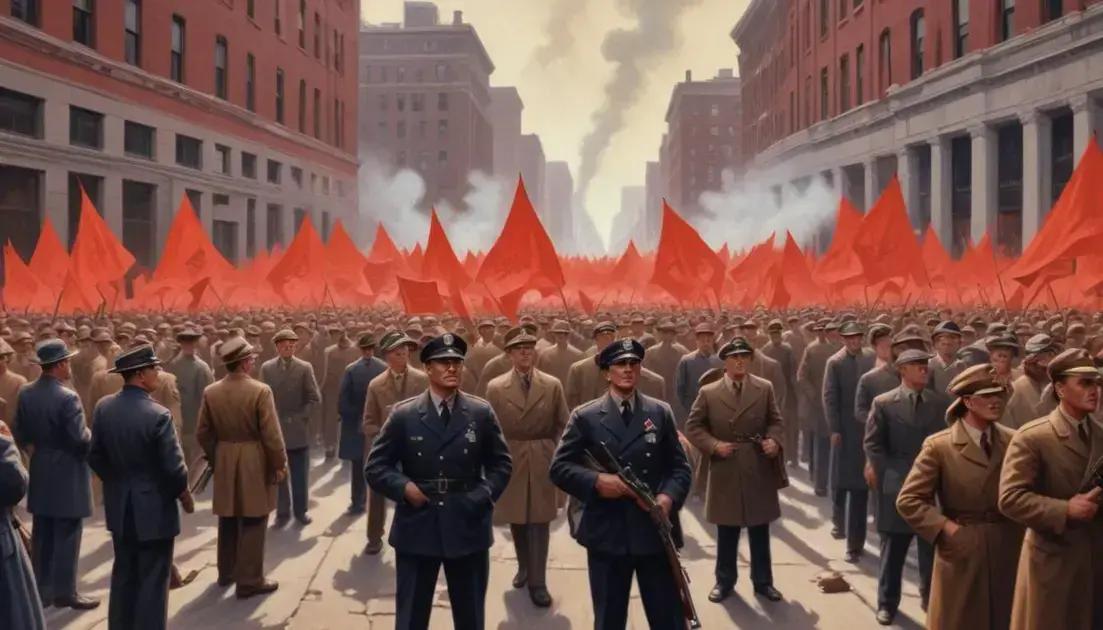
Before the USSR Collapse, the political landscape was complex and tense. The Soviet Union was known for its strict control and censorship. Citizens faced heavy restrictions on their freedoms, and dissent was often met with harsh consequences.
The Role of Leadership
Leaders like Mikhail Gorbachev introduced reforms aimed at revitalizing the economy. His policies of glasnost (openness) and perestroika (restructuring) aimed to bring more transparency and freedom. However, these changes also exposed deep-seated problems within the system.
Ethnic Tensions
Many ethnic groups sought independence or greater autonomy. This desire for self-determination created significant tension within the union. National movements began to rise, and demands for independence grew louder.
International Relations
Globally, the USSR was viewed as a superpower. The Cold War defined its relationships with the West, especially the United States. The arms race and various conflicts worsened these relations, contributing to internal insecurities.
Economic troubles also played a key role. Shortages of basic goods and poor living conditions led to public dissatisfaction. Protests became common, reflecting the people’s frustrations with the government.
These factors combined to create a pressing need for change. The political landscape was on the edge, making the eventual collapse both inevitable and tumultuous.
Key Events Leading to the Fall
Key events played crucial roles in the USSR Collapse. Each significant moment marked shifts in the political landscape. These changes built up over time, leading to the downfall of the Soviet Union.
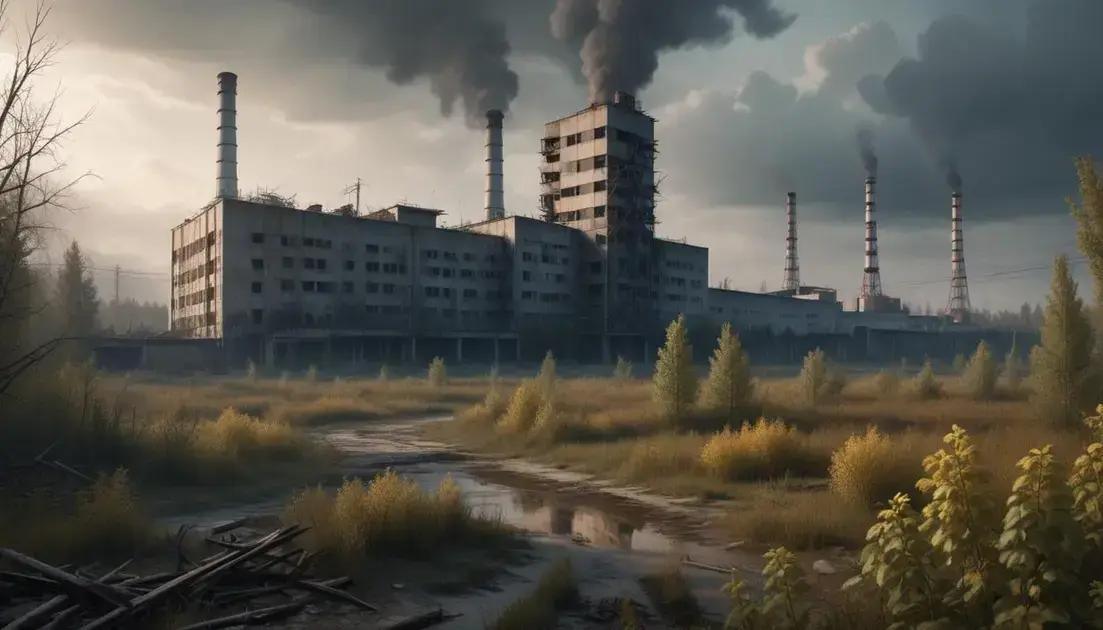
The 1986 Chernobyl Disaster
This terrible nuclear accident exposed many flaws in the government. It shook public trust and highlighted the dangers of the USSR’s secrecy. People began to question what they were told.
Afghanistan War
The USSR’s involvement in Afghanistan drained resources and morale. Soldiers faced tough conditions and fierce resistance. This conflict lasted nearly a decade and caused widespread discontent.
The 1989 Revolutions
Across Eastern Europe, nations began to rise against communist rule. Countries like Poland and Hungary saw rapid changes. These revolutions sparked hope and encouraged Soviet republics to seek change.
Gorbachev’s Reforms
Gorbachev’s reforms aimed to fix the system. Glasnost allowed more openness, and perestroika sought to improve the economy. Yet, these reforms also stirred more demands for freedom and independence.
The August Coup of 1991
A failed coup attempt by hardliners aimed to restore old ways. Instead, it triggered mass protests and support for Gorbachev’s reforms. This event significantly weakened the Communist Party’s control.
Each of these events added fuel to the fire. They pushed the USSR closer to its breaking point, leading to the historic collapse in 1991.
New Nation-States Emergence
The collapse of the USSR led to the emergence of new nation-states. As the Soviet Union fell apart, many regions declared independence. This shift changed the political map of Eastern Europe and Central Asia.
Independent States
Countries like Ukraine, Belarus, and the Baltic states became independent. Each nation had its unique history and culture. They sought to build their identities apart from Soviet rule.
Challenges Faced
These new states faced many challenges. They had to create governments and economies from scratch. Most lacked experience in independence, leading to struggles with political stability and social cohesion.
International Recognition
Gaining international recognition was crucial. Some nations faced resistance from their former rulers or neighbors. They worked hard to secure their place on the world stage.
Impact on Ethnic Groups
The emergence of new nations also changed life for various ethnic groups. Some minorities felt left out or threatened. Tensions sometimes flared, leading to conflicts.
The independence of these nations opened doors for new partnerships and alliances. Each state began to navigate its future, influenced by its history and aspirations.
Impact on Global Politics
The USSR Collapse significantly changed global politics. After the fall, many nations reassessed their foreign policies. This reshaping led to new alliances and rivalries.
Rise of New Powers
Countries like China and India gained influence. They looked to fill the gap left by the USSR. These nations began playing larger roles on the global stage.
NATO Expansion
NATO expanded into Eastern Europe after the collapse. Former Soviet states joined the alliance. This move worried Russia, as it felt surrounded by hostile nations.
U.S. Foreign Policy Changes
The United States changed its focus. It started promoting democracy and market economies worldwide. This shift aimed to secure stability and prevent the rise of authoritarian regimes.
Regional Conflicts
With the USSR gone, various regions experienced conflicts. Ethnic and territorial disputes emerged in the Balkans and Caucasus. These tensions highlighted the complexities of transitioning to democracy.
The collapse of the USSR also opened discussions about arms control and nuclear disarmament. Nations sought ways to prevent future conflicts and promote peace.
Legacy of the USSR
The legacy of the USSR is vast and complex. It left a mark on politics, culture, and economics worldwide. The effects are still felt today in many regions that were once part of the Soviet Union.
Political Influence
Many former Soviet states face political challenges. Some struggle with authoritarianism while others seek democracy. This conflict influences their relationships with neighboring countries.
Cultural Impact
The USSR promoted a unique culture that combined various traditions. This mix created a distinct identity in art, music, and literature. Even now, these cultural contributions remain significant.
Economic Systems
Post-Soviet economies vary widely. Some have embraced capitalism, while others still feel the effects of planned economies. These differences affect how nations interact on the global stage.
Global Partnerships
The collapse of the USSR changed alliances. Many countries shifted toward the West, seeking support and integration. However, Russia has tried to reclaim its influence in some regions.
Understanding the legacy of the USSR helps explain current global dynamics. It reminds us that history shapes the present and future.
Conclusion
In summary, the collapse of the USSR reshaped history in many ways. It changed the political landscape, created new nations, and influenced global relations. The legacy of the USSR still affects us today, from politics to culture.
Understanding these changes helps us see how the past shapes our present and future. The impacts will continue to evolve, reminding us that history is always alive and relevant. As we move forward, it’s important to learn from these events to build a better world together.
Tags: