Energy and Destruction: The Nuclear Fascination of the 20th Century
Nuclear energy has a complex impact on society, blending benefits and risks. It provides a low-emission electricity source that contributes to combating climate change while also creating jobs and supporting local economies. However, public perceptions often include fears of destruction linked to nuclear accidents, making safety a critical concern. Artistic interpretations and media portrayals further explore the cultural fascination with destruction, inviting discussions around resilience and recovery. Understanding these dynamics helps foster informed conversations about the future of nuclear energy.
The Nuclear Energy saga is a captivating story of innovation and terror. How did something so small, so powerful, become a symbol of both progress and fear?
The Age of Nuclear Energy
The Age of Nuclear Energy began in the mid-20th century, changing the way we think about power. As countries looked for new energy sources, nuclear power offered a solution. It promised a lot of energy without using fossil fuels, which can harm the environment.
By using nuclear reactions, we can generate electricity and power whole cities. But there’s more to it than just energy. The fear of radiation and accidents makes nuclear energy a hot topic. People often feel nervous about how safe it is.
How Nuclear Energy Works
Nuclear energy is produced in nuclear reactors. Inside these reactors, atoms split in a process called fission. This splits heavy atoms, like uranium, into lighter atoms. The energy released heats water, which turns to steam and drives turbines to make electricity.
The Benefits of Nuclear Power
Nuclear power can produce a large amount of energy with fewer greenhouse gas emissions than traditional sources. It’s a reliable source of power, available day and night. Many believe it can help combat climate change.
Concerns About Nuclear Energy
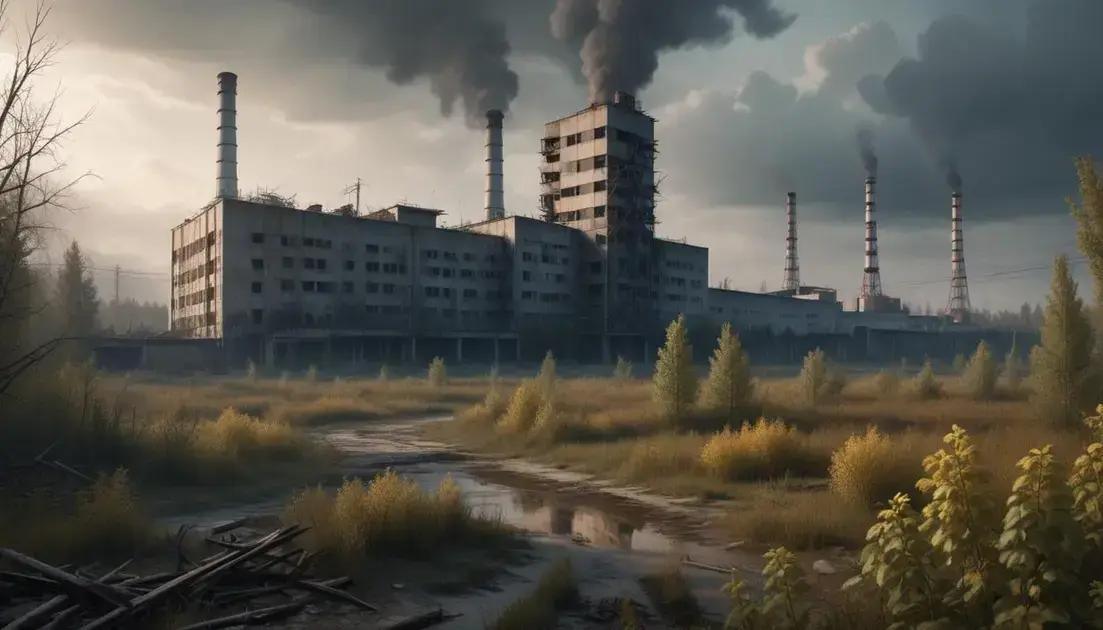
Despite its advantages, people have strong feelings about nuclear energy. Accidents, like Chernobyl and Fukushima, raised many safety concerns. Worries about radioactive waste remain, too. Proper disposal methods are crucial to ensure safety.
Today, advancements in technology aim to make nuclear energy safer and more efficient. Innovations like small modular reactors (SMRs) offer new ways to harness nuclear power.
As we explore our energy options, the debate on nuclear energy continues, making it an important topic worldwide.
Art and Propaganda Inspired by the Atom
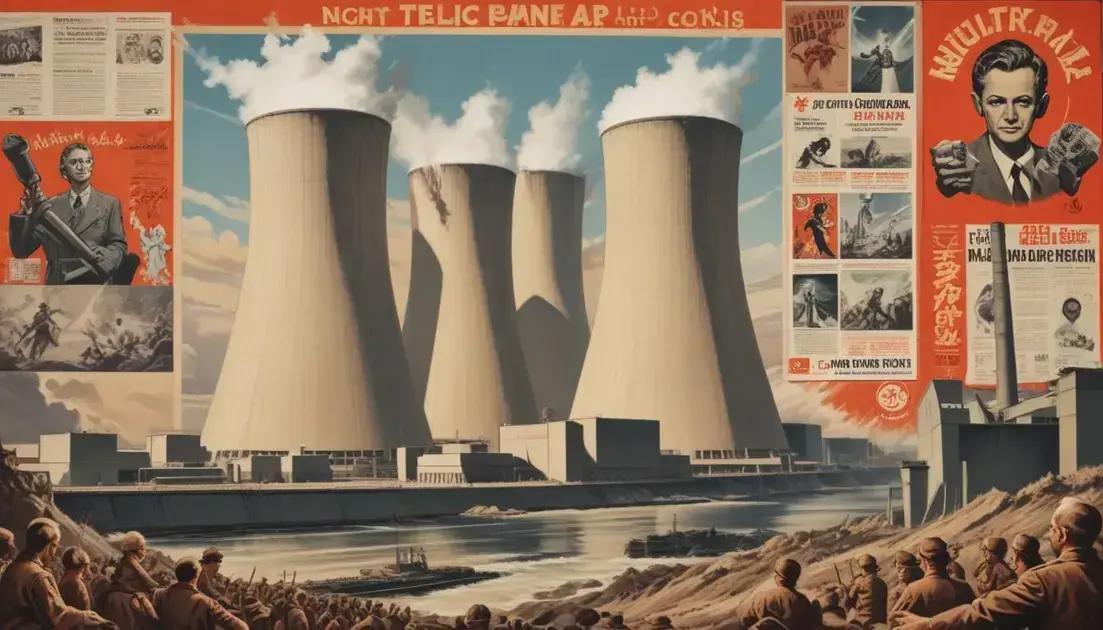
The impact of nuclear energy goes beyond science. It has inspired art and propaganda in unique ways. Artists have studied the atom and used its energy to express fears and hopes. From vibrant posters to thoughtful paintings, the themes are rich and diverse.
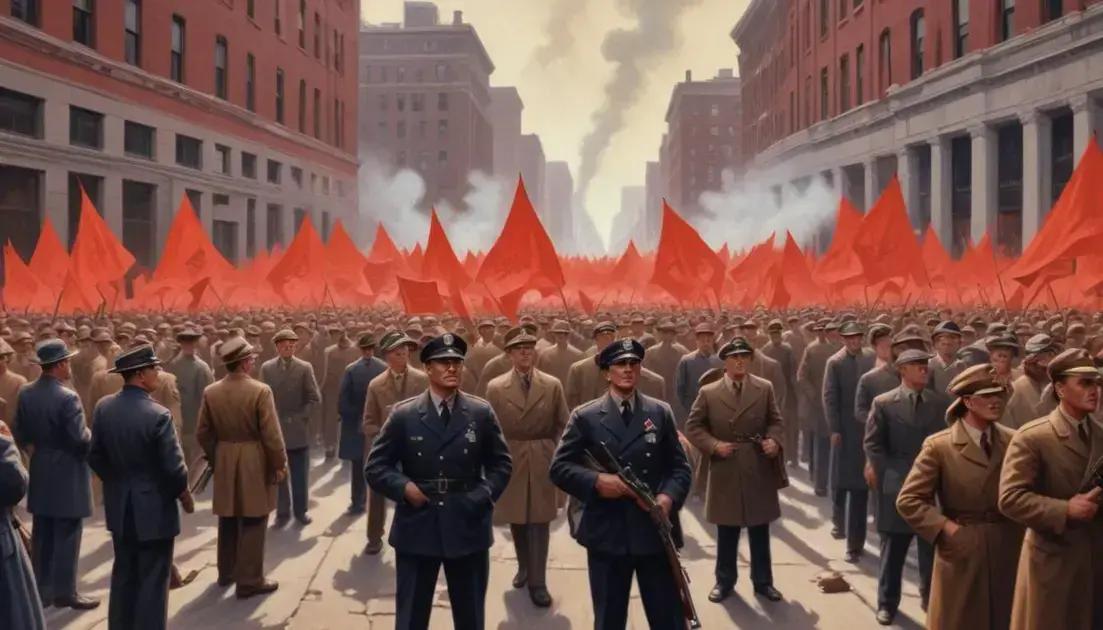
During the Cold War, propaganda reflected the tension of the times. Many posters featured atomic symbols, often portraying the atom as a source of power. These images invited people to imagine a bright future powered by nuclear energy.
At the same time, artists highlighted the dangers of nuclear weapons. Works of art captured the fear and destruction associated with atomic bombs. They asked people to think deeply about the consequences of using such powerful energy.
Key Artists and Their Works
Famous artists, like Andy Warhol and Robert Rauschenberg, engaged with themes of nuclear energy. Warhol created bold graphics that captured public fascination. Rauschenberg’s works reflected the complex feelings about technology and war.
The Role of Media
Media played a huge role in shaping public perception. Documentaries and films portrayed both the benefits and risks of nuclear power. They brought the conversation to people’s homes, making it part of everyday life.
Today’s artists continue to explore these themes. They use various mediums to express their views on energy, technology, and society. Art about the atom remains relevant, reflecting our ongoing relationship with nuclear energy.
Nuclear Energy’s Impact on Society
Nuclear Energy has a profound impact on society. It shapes how we produce electricity and fuels our homes and businesses. Many people see it as a green energy source. It produces a lot of electricity without releasing harmful gases.
However, the impact of nuclear energy goes beyond power supply. It creates jobs in construction, operation, and maintenance. Many communities benefit from the economic boost that nuclear plants provide.
Environmental Effects
Nuclear energy helps reduce pollution. Unlike fossil fuels, it doesn’t emit carbon dioxide during operation. This can be crucial in fighting climate change. Yet, concerns about nuclear waste remain. Safe waste management is vital for protecting the environment.
Public Perception and Safety
People’s views on nuclear energy can vary widely. Some trust it for reliability, while others fear accidents. Incidents like Chernobyl and Fukushima heightened these fears. Safety regulations are crucial to ensure public confidence.
Education plays an essential role in shaping opinions. Better understanding of how nuclear plants work can help reduce fear. Open discussions about safety measures help communities feel more secure.
The Future of Nuclear Energy
As we look ahead, many consider the future of nuclear energy bright. New technologies aim to make it safer and cleaner. Innovations like advanced reactors promise to enhance safety and efficiency.
Nuclear energy’s role in the transition to greener energy sources cannot be ignored. It may help us reach our climate goals while providing reliable power for millions.
The Cultural Fascination with Destruction
Destruction holds a strange fascination in our culture. From movies to art, we often find ourselves drawn to it. The power of events like atomic explosions captures our imagination. Many artists use this theme to explore deeper emotions and ideas.
The Cultural Fascination with Destruction often highlights human struggle. It brings both fear and awe. Films about disasters, such as earthquakes or nuclear attacks, show how people react during crises. These stories resonate widely, reflecting our own anxieties.
Artistic Representations
Artists use destruction to provoke thought. For example, painters may depict ruins to symbolize loss. Sculptors might create pieces that show the fragility of life. These works invite viewers to ponder what it means to be human.
The Role of Media
Media plays a big role in shaping our view of destruction. News coverage of disasters can create shock and awareness, reminding us of reality. Documentaries often dive into the aftermath of destruction, showcasing resilience and recovery.
While destruction can be frightening, it also sparks powerful conversations. Society often discusses our responsibilities toward prevention and rebuilding. This duality makes destruction a complex and engaging topic.
Popular Culture and Destruction
In popular culture, the theme of destruction appears in video games, novels, and more. Players often find excitement in overcoming challenges created by destruction. Literature also explores these themes, detailing human experiences shaped by chaos and change.
Overall, destruction fascinates us not just for the spectacle, but for what it reveals about ourselves. It shows our fears, dreams, and capacity for resilience in the face of loss.
Conclusion
In conclusion, the fascination with destruction reveals much about our society. It shows how we respond to fear and chaos through art, media, and culture. From films to paintings, artists have created powerful works that encourage us to think deeply.
Destruction may seem alarming, but it also plays a role in understanding resilience. By examining the impact of destruction, we gain insight into human emotions and reactions. Society’s conversations about prevention and recovery underline our need for hope and support.
Ultimately, embracing this complexity helps us better appreciate the art and stories that shape our world. Destruction, though scary, leads to important discussions about life, loss, and the future.