Faith among the stars: religion and space exploration
The exploration of faith in space missions highlights how spirituality impacts astronauts’ experiences. As they travel beyond Earth, many draw motivation and emotional support from their beliefs. The future promises diverse religious practices, facilitated by technology and cultural exchange, fostering a sense of community among crew members. Understanding these spiritual dimensions enriches our appreciation of human resilience and purpose in space exploration.
In the vastness of space, faith takes on new dimensions. Astronauts aboard the International Space Station often find themselves pondering life’s profound questions, seeking meaning beyond the scientific explanations of their extraordinary surroundings.
Exploring spirituality in space
When astronauts travel to space, they often reflect on deep questions. Exploring spirituality in space allows them to connect with something greater. The vastness of the universe can spark thoughts about life, existence, and our place in it.
The Impact of Space on Beliefs
Being so far from home changes how astronauts think about faith. They see Earth as a small, beautiful planet in a sea of stars. This can deepen their beliefs and spark new ideas about spirituality.
Personal Journeys of Faith
Astronauts come from different backgrounds and religions. Each brings their own view of spirituality. Some find comfort in prayer, while others reflect quietly during their time in space. These personal experiences can strengthen their faith or even lead them to new beliefs.
Symbolic Rituals in Space
Astronauts often perform rituals that connect them to Earth traditions. They might celebrate holidays or conduct ceremonies. These acts can provide a sense of belonging, even in the isolation of space.
Building Community Astronauts
In space, astronauts often share their spiritual experiences with each other. This creates a unique bond among crew members. They support one another and discuss their beliefs freely. This openness can enrich their journey and create a supportive environment.
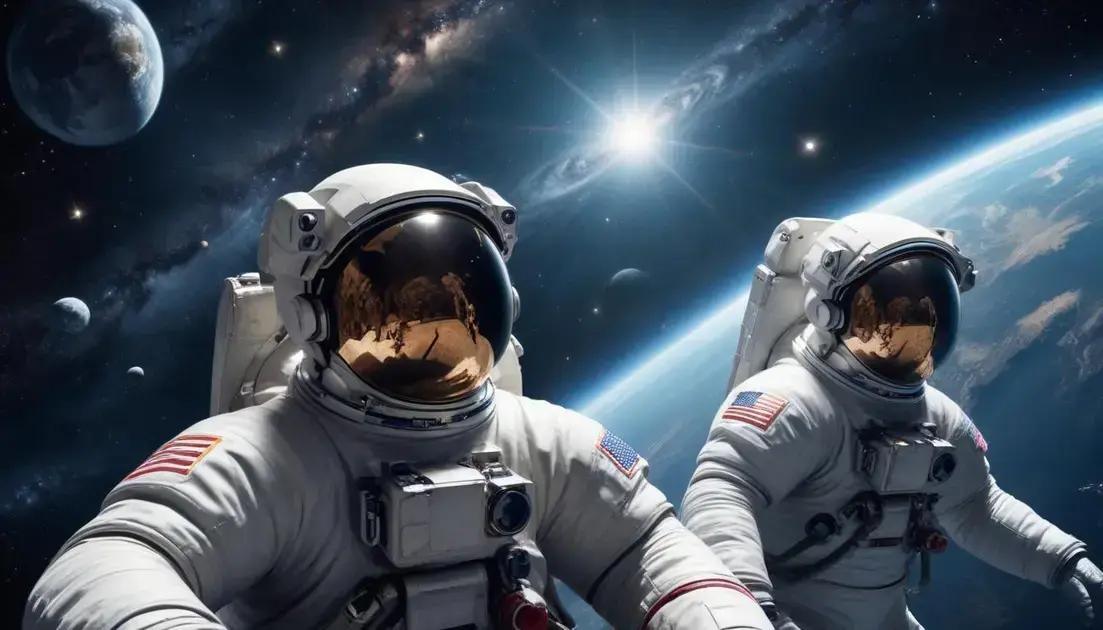
As they float among the stars, astronauts often find themselves pondering life’s biggest questions. The experience challenges their understanding and leads them to explore their spirituality in ways they may not have considered before.
Experiences of astronauts
Astronauts have unique experiences that few people can imagine. Experiences of astronauts often include breathtaking views and personal reflections. Floating in zero gravity, they see Earth from space. This view can change their perspective on life.
Daily Life in Space
Life aboard the International Space Station (ISS) is different. Astronauts follow a strict schedule. They conduct experiments, exercise, and eat meals. Even simple things, like sleeping and using the restroom, require adjustments in space.
Breathtaking Views
One of the best parts of being in space is the view. Astronauts often gaze out at Earth. They see cities sparkling at night and vast oceans. These views remind them of their home and what they are working for.
Personal Reflections
Many astronauts spend time reflecting while in space. The silence of space can lead to deep thoughts. They may think about their families, their mission, and their place in the universe. It can be a time for growth and understanding.
Friendships and Teamwork
Astronauts bond with their crew members. They share experiences and support each other. Living in close quarters can create strong friendships. These connections help during challenging times in space.
Overall, the experiences of astronauts can be life-changing. The journey can push them to think differently and cherish their lives on Earth.
Interfaith dialogues in orbit
In space, astronauts come together to discuss their beliefs. Interfaith dialogues in orbit allow them to share ideas and experiences. With different backgrounds, they create a rich tapestry of thoughts and faiths.
Sharing Beliefs
Astronauts talk about their religions and practices. These conversations help build understanding among crew members. Sharing beliefs can help them grow closer as a team in the unique environment of space.
Finding Common Ground
Despite different faiths, astronauts often find common ground. They explore themes like hope, peace, and humanity. These shared values can strengthen their bonds and help them support one another during challenging missions.
Spiritual Support
In moments of difficulty, astronauts lean on their faith. They discuss spiritual practices that bring them comfort. This support is crucial when facing the isolation and challenges of space travel.
Bridging Cultures
Interfaith dialogues help bridge cultural gaps. With team members from around the world, they learn from each other. This exchange broadens their perspectives and promotes respect.
Through these dialogues, astronauts build respect and friendship. This connection is vital while living and working together in space.
The impact of faith on space exploration
Faith can play a big role in space exploration. The impact of faith on space exploration often shapes the thoughts and actions of astronauts. Many find strength and purpose in their beliefs while facing challenges in space.
Motivation and Purpose
For many astronauts, faith provides motivation. It can give them a sense of purpose. This drive helps them tackle the complex tasks of space missions. Knowing they are part of something bigger can be very inspiring.
Emotional Support
Space can feel isolating. Astronauts often turn to their faith for emotional support. They may pray or meditate to help cope with stress. This practice can bring comfort and peace in a challenging environment.
Community and Connection
Faith also builds community among astronauts. They respect each other’s practices and beliefs. Sharing these experiences strengthens their bonds during missions. The support of fellow astronauts can enhance their resilience.
Inspiring Future Generations
The stories of astronauts can inspire others. Their experiences often highlight the importance of faith. Young people may see space exploration as a way to contribute to humanity’s future.
Overall, faith can greatly influence how astronauts approach their missions. It provides motivation, emotional support, and a sense of community in the vastness of space.
Future of religion in space missions
The future of religion in space missions is an interesting topic. As humans explore further, our beliefs may evolve. Astronauts may continue to seek spiritual meaning even in space.
Growing Diversity
As more nations join space exploration, religious diversity will grow. Each culture brings unique perspectives on faith. Discussions about spirituality could become a normal part of space missions.
Cultural Practices in Space
Astronauts might find ways to practice their religions. They could hold ceremonies or rituals aboard the spacecraft. These practices could help maintain their faith traditions while far from home.
The Role of Technology
Technology will play a big part in the future. With virtual reality, astronauts could ‘visit’ places of worship through simulations. This might provide comfort and a sense of community, even in isolation.
Inspiring Future Generations
Children today see space as an adventure. As these kids grow up, they might incorporate their beliefs into future missions. This could inspire new ways to integrate faith with exploration.
In summary, the future of religion in space missions looks promising. It will likely include a rich blend of traditions and modern technology.
Conclusion
In conclusion, the journey of exploring faith and spirituality in space has just begun. As astronauts travel beyond Earth, their beliefs will shape their experiences. The future of religion in space missions promises to be rich and diverse.
With growing cultural diversity and advances in technology, there will be new ways to shape spiritual practices. From virtual reality to real-time discussions, faith can play an important role in these missions. Ultimately, understanding how spirituality influences space exploration helps us appreciate the human spirit in our quest to explore the unknown.