Faith and Power: The Church in the Cold War
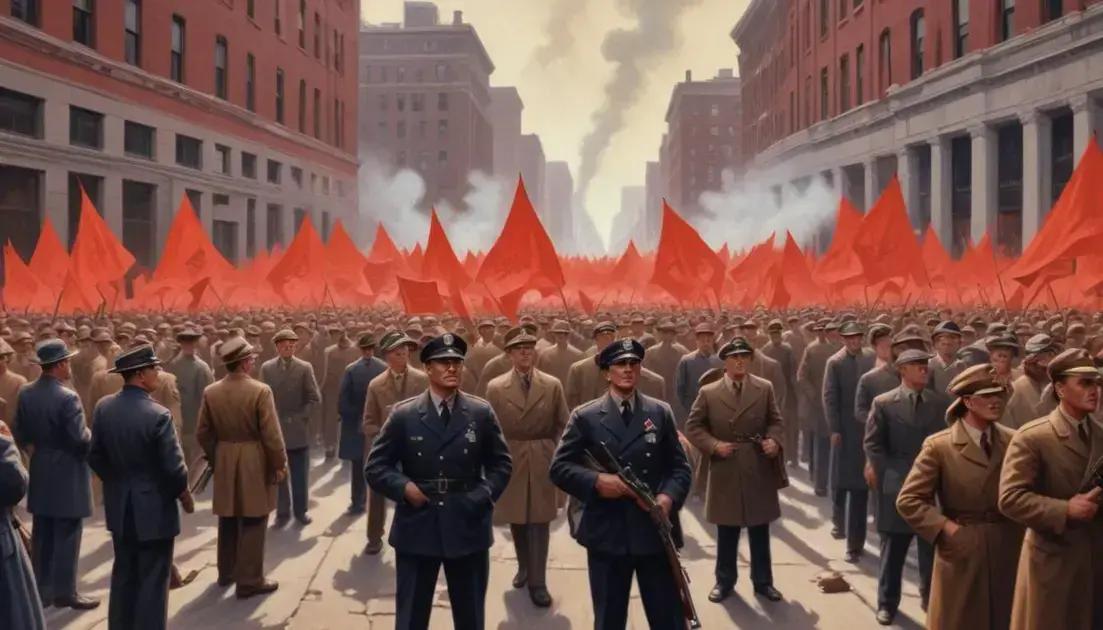
During the Cold War, churches played a crucial role as symbols of resistance and instruments of political power across various nations. They actively participated in advocacy for human rights, organized social movements, and provided refuge to those oppressed. Notable examples include the Catholic Church’s involvement in Poland’s Solidarity movement, churches’ support for families in El Salvador during civil strife, and the significant impact of faith leaders against apartheid in South Africa. These institutions not only mobilized communities but also shaped political landscapes while promoting peace and justice globally.
Church Politics has played a significant role throughout history, especially during the Cold War. Ever wondered how faith could shape power dynamics?
The role of churches during the Cold War
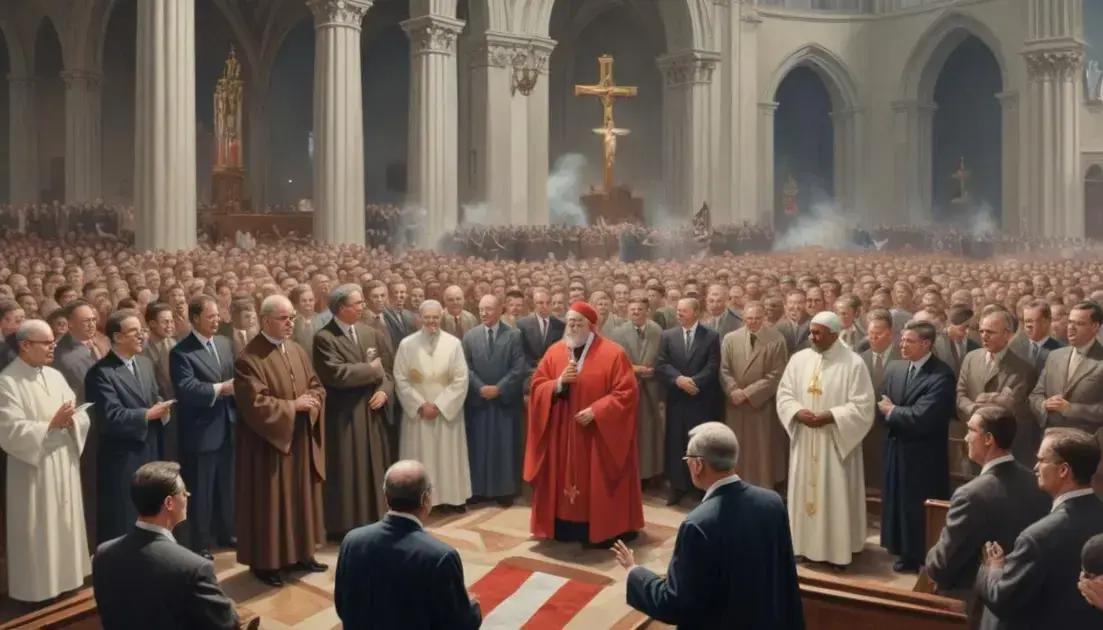
During the Cold War, churches played a significant role in society. They often became places where people could voice their concerns and resist oppression. Religious leaders stepped up to guide communities facing fear and uncertainty.
Churches as Safe Havens
Many churches opened their doors to those in need. They provided shelter for refugees and support for families affected by conflict. In this way, churches became symbols of hope and resilience.
Promoting Peace and Understanding
Religious organizations often took a stand for peace. They organized events and discussions to promote understanding between opposing sides. By emphasizing shared values, they aimed to bridge gaps and foster dialogue.
Fighting Oppression
In some countries, churches faced persecution for their beliefs. Despite this, many continued to speak out against government actions. They used their influence to advocate for human rights and justice.
Global Alliances
Churches didn’t work alone. They formed alliances across borders to amplify their voices. These global connections helped spread messages of freedom and solidarity. They showed that faith could unite people worldwide against tyranny.
Ultimately, the role of churches during the Cold War was complex. They were not just places of worship but active participants in the struggle for freedom and dignity. Their contributions helped shape history and inspire generations.
Resistance movements led by faith organizations
Resistance movements led by faith organizations played a crucial role during the Cold War. These movements often stood up against injustice and oppression. Churches and religious groups became beacons of hope for many.
Mobilizing Communities
Faith organizations mobilized their communities to take action. They called on their followers to unite against political repression. By coming together, they strengthened their voices and impact.
Promoting Nonviolence
Many of these movements embraced nonviolent resistance. They believed in the power of peaceful protests and dialogue. Leaders like Martin Luther King Jr. showed how faith could inspire a commitment to peace.
International Solidarity
Faith organizations also reached out beyond borders. They formed alliances with groups in different countries. This international solidarity helped amplify their message for justice and freedom.
Case Studies
One notable example is the role of the Catholic Church in Poland. The church supported the Solidarity movement, which fought for workers’ rights. Similarly, in El Salvador, churches provided support to those affected by violence.
The influence of faith organizations was significant. They showed that spirituality and activism could go hand in hand. This inspired many others to join the struggle for human rights and democracy.
Political influence of religious institutions
The political influence of religious institutions has been significant throughout history. These institutions often speak up on issues that matter to their communities. They advocate for policies that align with their values and beliefs.
Engaging in Advocacy
Many religious groups engage in advocacy work. They lobby for legislation that supports social justice and human rights. This activism can shape public policy and sway political opinions.
Mobilizing Voters
Religious leaders often encourage their congregations to vote. By mobilizing voters, they can impact election outcomes. Their messages can inspire people to participate in the democratic process.
Promoting Morality in Politics
Religious institutions also promote moral standards in politics. They often call for ethical behavior among leaders. Many believe in holding public officials accountable for their actions.
Case Examples
For instance, the Southern Christian Leadership Conference played a key role in the Civil Rights Movement. Their efforts helped bring about significant legislative changes. Similarly, various faith groups have worked to influence health care and education policies.
The impact of religious institutions on politics is clear. They not only provide spiritual guidance but also actively shape the political landscape. Their involvement helps to highlight the connection between faith and civic engagement.
Case studies of churches in various countries
Case studies of churches in various countries show their diverse roles during the Cold War. Each church adapted to its unique environment while striving for peace and justice.
Poland: The Catholic Church and Solidarity
In Poland, the Catholic Church played a vital part in the Solidarity movement. It supported workers fighting against communism, which led to significant social change. The church united people and encouraged them to stand up for their rights.
El Salvador: Faith Amidst Violence
In El Salvador, churches provided refuge during a brutal civil war. Many religious leaders spoke out against government violence. They helped families affected by the conflict and pushed for human rights.
South Africa: Church Leaders and Apartheid
During apartheid, churches in South Africa became safe havens for activists. Leaders like Desmond Tutu rallied against injustice and inequality. Their efforts helped inspire change and ultimately led to the end of apartheid.
East Germany: The Role of Protestant Churches
In East Germany, Protestant churches offered a space for dissent. They organized peaceful protests, which contributed to the fall of the Berlin Wall. Their faith-based activism united many in the fight for freedom.
These case studies show that churches can play powerful roles in times of crisis. Through their actions, they have inspired hope and driven change worldwide.
Conclusion
In conclusion, the role of churches during the Cold War highlights their significant impact on society and politics. Through various case studies, we see how these institutions took a stand against oppression and injustice. Whether in Poland, El Salvador, South Africa, or East Germany, churches provided hope and mobilized communities for change.
Their advocacy for human rights and peace shows how faith can inspire action. Churches not only shaped local movements but also connected with global efforts for freedom and justice. Understanding this history helps us appreciate the powerful role of faith in shaping our world today.