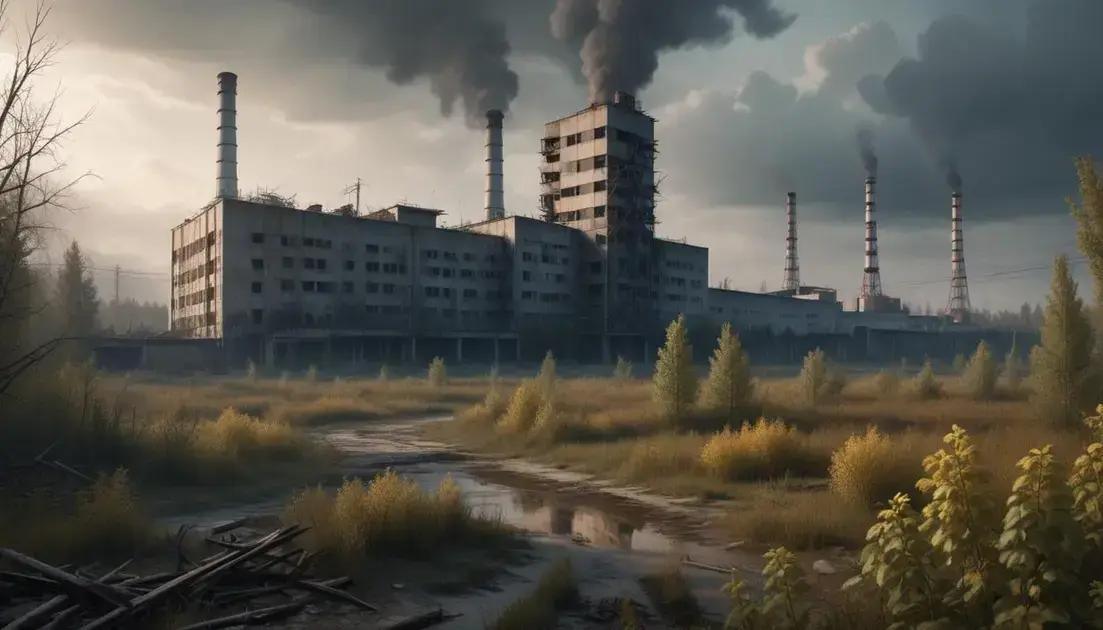
Family life under nuclear threat
The impact of a nuclear threat on family life is significant, creating anxiety and fear that can affect daily routines. Families cope through open communication, safety planning, and engaging in positive activities. Staying informed about evolving nuclear policies and advocating for change is crucial for fostering a safer future. By understanding and addressing these issues, families can reduce anxiety and empower themselves for a more secure tomorrow.
Nuclear threat—it’s a term that feels both distant and alarmingly close for many families today. How do they navigate daily life when annihilation looms in the background?
Understanding the nuclear threat
Understanding the nuclear threat is crucial for many families today. Many people worry about what might happen if tensions rise. It’s not just a topic for politicians; it affects everyday life.
First off, let’s talk about what this threat means. A nuclear threat refers to any risk of nuclear weapons being used in conflict. This can create fear and anxiety, especially for families living near nuclear sites.
Imagine living your daily life with this concern in the back of your mind. The news might report on missile tests or political conflicts, and families may feel impacts in their own homes. It’s hard to stay calm when such serious issues arise.
The effects of constant worry can be overwhelming. Some might notice their kids acting more anxious or withdrawn. Others may struggle with stress in their daily routines. Having a plan can help these families feel a bit more secure.
Communities are also trying to prepare. They hold meetings to discuss local safety plans and resources. Parents often talk about emergency kits and what to do in case of a real threat. Knowledge is key to feeling more in control.
Daily lives affected by fear
Every day, many families feel the impact of fear caused by a nuclear threat. It changes how they live, work, and interact with one another. Many people may not even realize how deep this fear runs until they stop and think.
Kids might seem more anxious at school. They might have trouble focusing on lessons. It’s common for worries about a nuclear threat to pop into their minds during class. This can distract them from learning about math or science.
Parents often feel stressed, too. They juggle work, family life, and the constant worry about safety. Discussions about safety plans or drills may interrupt family meals. It’s hard to enjoy a dinner when thoughts of danger are looming.
Many families develop coping strategies to deal with their fears. They may talk openly about their worries, helping each other feel understood and supported. Creating a safe space for discussion can lessen anxiety and improve communication.
Some people find comfort in community groups that discuss these issues. Talking to others who share similar fears can provide a sense of belonging. They can also share useful tips and support to help each other cope.
Lastly, some may turn to news sources for information and updates. While it’s important to stay informed, constant exposure can increase anxiety. Finding the right balance between staying informed and taking breaks from the news can help manage stress levels.
Coping mechanisms for families
Many families use different coping mechanisms to face the fear caused by a nuclear threat. These methods can help them feel more secure and connected during stressful times.
One common way to cope is by talking openly about fears. Sharing thoughts and feelings can strengthen family bonds. It helps everyone feel understood and less alone in their worries.
Another helpful approach is creating a family safety plan. This plan can include where to go if something happens and what to do in an emergency. Knowing there’s a strategy can bring a sense of control to a frightening situation.
Some families choose to engage in activities together. Going for walks, playing games, or watching movies can create positive experiences. These moments of joy help families focus on the good rather than the fear surrounding them.
Practicing relaxation techniques can also be useful. Simple things like deep breathing or yoga can reduce anxiety. Even spending a few minutes in nature can help everyone feel calmer.
Staying informed is important, but limits on news consumption can be just as crucial. Too much exposure to news can heighten anxiety. Setting specific times to check for updates can help families stay balanced.
The psychological impact of nuclear anxiety
The psychological impact of nuclear anxiety can be deep and lasting for many families. This kind of stress often shows up in different ways, affecting both adults and kids.
First, anxiety can lead to persistent worry. Families might find themselves thinking about potential dangers more often. This constant fear can disrupt daily activities, making it hard to focus on school or work.
Kids, in particular, may experience nightmares or fear of separation. A simple trip to the store can feel frightening to them. They might worry about what could happen while they are away from their parents.
Adults also feel the weight of this anxiety. It can cause trouble sleeping, irritability, and difficulty concentrating. This can lead to tension in relationships, as family members struggle to cope with their feelings.
Moreover, the fear of the unknown makes things even harder. When people don’t have clear answers, it can increase anxiety. This is why staying informed, but not overwhelmed, is important.
Coping strategies can help ease some of this psychological strain. Simple activities like talking, exercising, or engaging in hobbies can provide comfort. It’s key for families to find what helps them feel better together.
Future outlook on nuclear policies
The future outlook on nuclear policies is a crucial topic for many families. With the ongoing global tensions, the way countries handle nuclear weapons will impact us all.
First, it’s essential to recognize that policies can change. Governments often reassess their stances after negotiations and treaties. This means families must stay informed about new agreements as they develop.
Some experts believe that global cooperation is key to reducing nuclear threats. By working together, nations can create safer environments. This can lead to fewer weapon tests and more arms control agreements.
Public opinion also plays a significant role. Citizens who advocate for strict nuclear policies can influence decision-makers. When families speak out, they help shape a safer future.
Additionally, advancements in technology might reshape nuclear policies. New monitoring systems can enhance transparency. This allows countries to check on each other’s nuclear activities, reducing fears.
Lastly, education on nuclear issues is vital. Teaching kids about nuclear policies and safety can empower the next generation. Knowledge can spark discussions that lead to positive change.
Conclusion
In conclusion, understanding the nuclear threat and its impact on family life is crucial in today’s world. Families are affected by anxiety and fear, but they can use effective coping mechanisms to manage these feelings. Open conversations and safety plans can create a sense of security.
As we look to the future, it’s important to keep track of nuclear policies and how they change. Public awareness and global cooperation can help reduce threats. Teaching the next generation about these issues prepares them to advocate for a safer world.
By staying informed and actively participating in discussions, families can take charge of their feelings and influence the future. Together, we can work towards a peaceful tomorrow, where the threat of nuclear weapons is greatly diminished.