Freedmen’s Bureau: helping former slaves become citizens
The Freedmen’s Bureau was established in 1865 to assist former slaves in gaining education, legal rights, and essential resources. Its efforts significantly impacted the social and educational landscape by establishing schools, providing job placement services, and ensuring legal support. The legacy of the Bureau continues to resonate today, highlighting the importance of education and civil rights in the ongoing fight for equality.
Freedmen’s Bureau played a crucial role in American history, helping former slaves transition to citizenship. Are you curious about its impact?
Introduction to Freedmen’s Bureau
The Freedmen’s Bureau was created in 1865. Its main goal was to help former slaves after the Civil War. The agency provided many services, like education, housing, and legal support. This was crucial for the millions of people who needed help starting a new life.
Education Opportunities
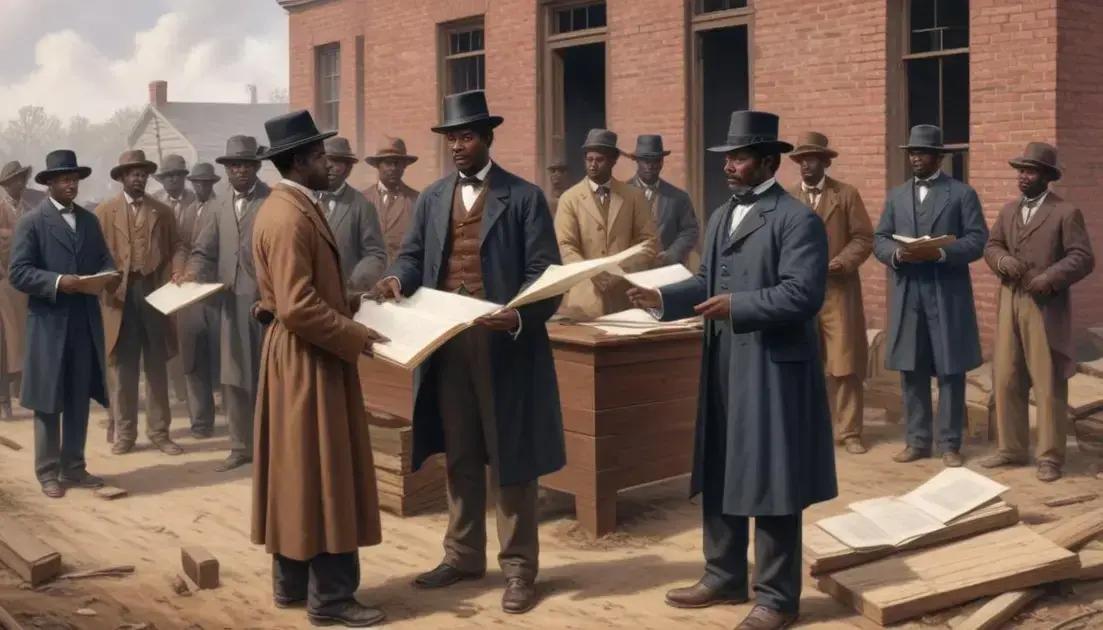
One of the Bureau’s biggest successes was in education. It set up schools for African Americans. These schools taught reading, writing, and basic math. Many former slaves wanted to learn, and the Bureau made that possible.
Legal Support
The Bureau also helped with legal matters. Many freed people faced unfair treatment. The Bureau stepped in to ensure they had legal support and fought for their rights. Protecting these rights was a vital part of building a fairer society.
Healthcare and Housing
In addition to education and legal aid, the Bureau offered healthcare and support for housing. Many families needed shelter and basic healthcare services. The Bureau aimed to provide safety and comfort during a challenging time.
Overall, the Freedmen’s Bureau played a key role in helping former slaves transition to freedom. It laid the groundwork for future generations, showing the importance of education, rights, and community support.
Impact on Education and Rights
The Freedmen’s Bureau had a huge impact on education and rights for former slaves. At first, many of these individuals had little to no access to schooling. The Bureau changed that by creating schools across the South. These schools offered free education, which was essential for many freed people.
Rise in Educational Opportunities
Thanks to the Bureau, thousands of African Americans learned to read and write. This education was a powerful tool for empowerment. Knowing how to read opened doors to better jobs and informed citizenship.
Fighting for Civil Rights
In addition to education, the Bureau worked hard to protect the rights of former slaves. Many freed people faced discrimination and violence. The Bureau aided them by providing legal assistance. They fought for fair treatment and worked to ensure that freed men and women could exercise their rights.
Community Support Systems
The Bureau also helped establish community organizations. These groups played a vital role in supporting education and civil rights. They provided resources and a platform for people to voice their needs.
Overall, the Bureau’s efforts paved the way for significant progress in education and rights. The legacy of their work continues to influence discussions about racial equality today.
Support for Former Slaves
The Freedmen’s Bureau provided crucial support for former slaves during a challenging time. After the Civil War, many had nowhere to turn. The Bureau stepped in to offer help in many ways.
Housing Assistance
One of the first things the Bureau did was help people find housing. Many former slaves were displaced and needed shelter. The Bureau worked to provide safe places for families to live, ensuring they had a roof over their heads.
Job Placement Services
The Bureau also focused on helping people find jobs. Many freed individuals lacked experience and connections. The agency helped them find work in various fields, encouraging economic independence.
Food and Medical Aid
Food and healthcare were other essential areas of support. The Bureau distributed food and set up clinics to care for the sick. This was vital in communities that were struggling to recover.
Through these efforts, the Freedmen’s Bureau played an important role in the lives of former slaves. It helped them begin to build new lives in freedom. The support offered laid the groundwork for future generations.
Legacy and Historical Importance
The Freedmen’s Bureau left a lasting legacy in American history. Its efforts played a key role in shaping the future for African Americans. Many of its programs laid the groundwork for advancements in education and civil rights.
Influence on Education
The Bureau’s focus on education helped thousands of former slaves learn to read and write. This quest for knowledge has continued to inspire generations. Education remains a crucial part of the fight for equality.
Impact on Civil Rights
The Bureau also set a precedent for civil rights protections. It fought against discrimination and worked to ensure African Americans could participate in society. This push for rights paved the way for future movements.
Recognition and Commemoration
Today, the legacy of the Bureau is recognized in various ways. Schools and programs honor its contributions to education and social justice. The Bureau’s work is a reminder of the ongoing struggle for equality and justice.
In summary, the Freedmen’s Bureau played a vital role in American history. Its impact is still felt today as we continue to work towards a more just society.
Conclusion
In conclusion, the work of the Freedmen’s Bureau was crucial in shaping a better future for former slaves. It provided essential support in education, legal rights, and community building. This groundwork still influences struggles for equality today.
By focusing on education and civil rights, the Bureau helped many people gain the tools they needed for a successful life. The impact of its legacy is still felt as we continue to strive for justice and fairness in society. Remembering the Bureau’s achievements helps us understand the importance of supporting each other in the quest for equality.
Tags: