From the Hammer and Sickle to the Free Market
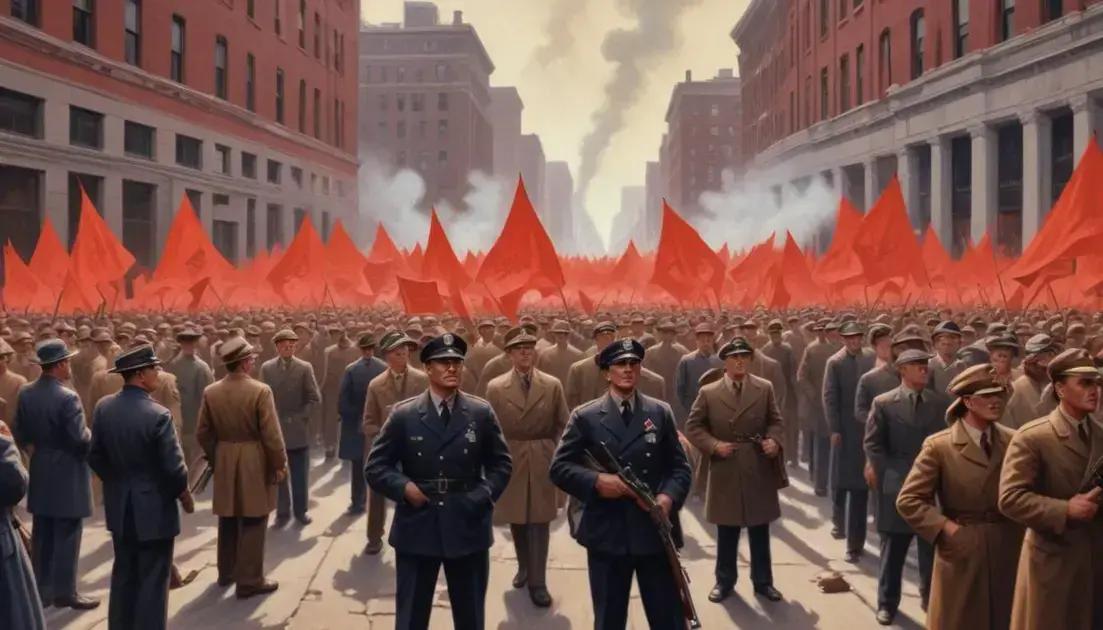
The transition from socialism to a free market has led to significant changes in society. Many individuals gained new freedoms, including the ability to pursue different jobs and express their opinions openly. However, this shift also resulted in rising inequality, with wealth concentrating among a few while others struggled. Current economic challenges, such as inflation and unemployment, add to the complexity. To address these issues, active participation in governance and community initiatives is crucial. Fostering innovation can create new job opportunities, helping to balance the advantages of a free market.
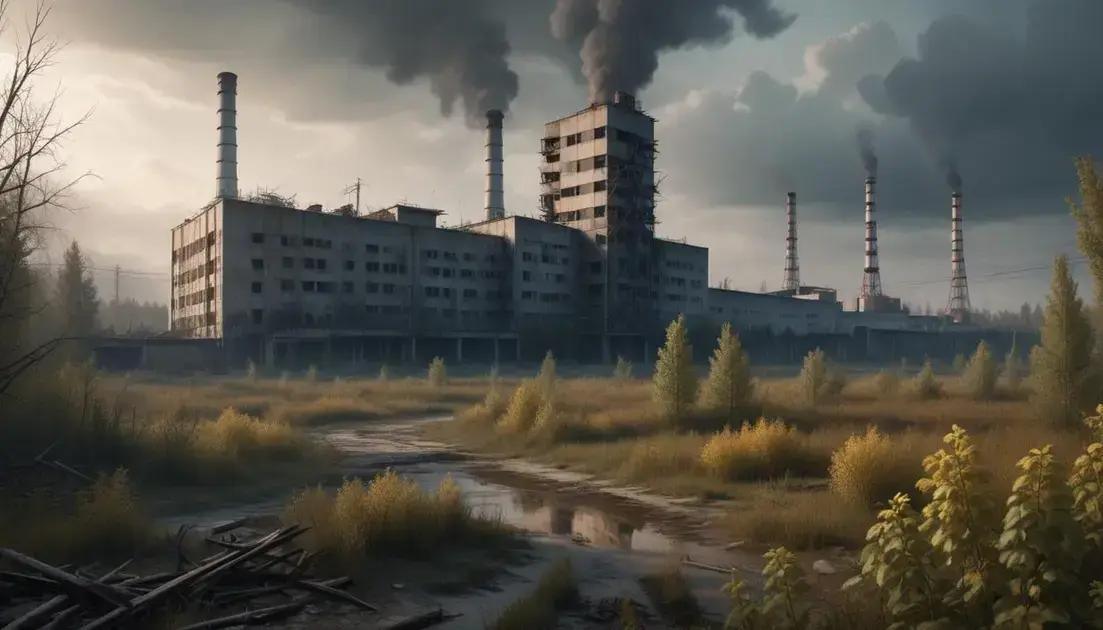
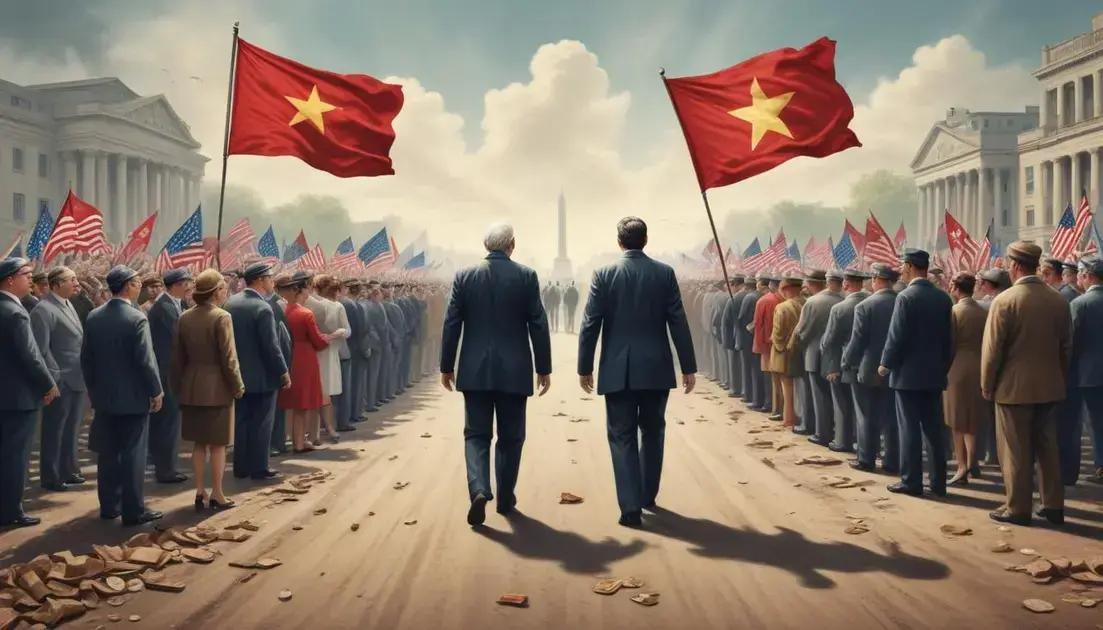
The journey from socialism to free markets is a complex tale of liberation and strife. How did this shift reshape societies and economies?
The Transition from Socialism to Free Market
The switch from socialism to a free market is full of changes. People found themselves in new situations, facing both freedom and challenges. Many enjoyed newfound liberties, like choosing jobs and buying what they wanted.
This shift also brought some tough times. With freedom came inequality. Not everyone had the same chances at success. Some struggled while others thrived. It’s important to understand both sides of this transition.
Economic Changes
Economies transformed during this change. In a free market, businesses compete for customers. This competition can lead to better products and services. However, it can also mean that some businesses fail if they can’t keep up. This creates job losses and uncertainty.
Social Impacts
Social structures also shifted. In socialist systems, the government controlled many aspects of life. Now, individuals had more freedom but also more responsibility. People had to adapt quickly to this new way of living.
The Role of Culture
Cultures evolved in response to these changes. With more freedom of expression, art and media flourished. However, some cultural struggles remained. There were debates about identity and values that reflected the clash between old and new.
As societies adjusted, it became clear that this journey was not easy. The path from socialism to a free market was complex, influencing every aspect of life, from daily routines to broad cultural trends.
The Rise of Inequality
The shift from a socialist system to a free market led to significant changes in society. One major consequence was the rise of inequality. As markets opened up, opportunities varied greatly among individuals.
In a free market, some people thrived while others struggled. Wealth began to concentrate in the hands of a few. This made it harder for many to compete and succeed. It was not fair that some received so many advantages over others.
Understanding Inequality
Inequality means that resources and opportunities are not equally shared. In many cases, those with certain skills or connections gained more than others. This was especially true in job markets where education and access to training played a big role.
Social Services and Support
Governments had to rethink their role during this time. Many faced tough decisions about social support programs. Some felt that less government involvement would boost growth. But that often left the most vulnerable people without help.
The Human Impact
The rise of inequality led to social tensions. People began to feel frustrated and left out. This caused divisions in communities and sparked debates about fairness and justice.
People wanted to know how we can create a fairer system. Discussions about living wages, health care, and education became more common. The focus was on finding ways to lift those who had been left behind.
Freedom and Civil Liberties Post-Socialism
After the shift from socialism, many people experienced new freedoms. They could choose jobs and express their opinions openly. This was a big change for those who lived under strict rules.
Freedom also meant that people could travel more easily. They could visit places that were once closed off. This sense of exploration opened up new ideas and cultures. However, with freedom came responsibilities.
Understanding Civil Liberties
Civil liberties are the rights that protect individuals from government action. In a free society, these rights are essential. They include freedom of speech, the right to vote, and the right to assemble.
Challenges Faced
While many welcomed these changes, not everyone had the same experience. Some groups felt left out or were treated unfairly. Discrimination and inequality remained issues that needed addressing. Advocates began pushing for laws that protect everyone.
The Importance of Participation
Active participation in politics became crucial. People realized that to keep their rights, they had to be engaged. Voting and community involvement grew in importance. This empowerment allowed individuals to shape their societies.
These new freedoms sparked debates and discussions about justice and equality. Citizens began to demand more accountability from their leaders. The path to true freedom included understanding and protecting everyone’s rights.
Current Economic Challenges
Today, many countries face significant economic challenges. These issues come from a mix of factors that affect daily life. One key problem is unemployment, which has left many without a steady job.
Inflation is another big issue. Prices for everyday goods keep rising, making it hard for families to make ends meet. People notice that what used to buy a lot now barely covers basics.
The Impact of Global Events
Global events also play a role. Natural disasters, wars, and pandemics can disrupt economies. For example, the COVID-19 pandemic caused widespread shutdowns. This led to job losses and decreased spending.
Government Responses
Governments try to help by creating jobs and stimulating the economy. They may offer subsidies or support for small businesses. However, these solutions take time and may not reach everyone.
The Role of Innovation
Innovation is crucial for overcoming challenges. Technology can create new jobs and improve efficiency. Startups and new ideas drive economic growth and can solve some of today’s problems.
Staying aware of these issues is important for everyone. By understanding economic challenges, communities can work together to find solutions that fit their needs.
Conclusion
In conclusion, the journey from socialism to a free market has brought both opportunities and challenges. While many have enjoyed new freedoms, society also faces issues like inequality and economic instability. Understanding these impacts is crucial for moving forward.
As communities adapt, it’s important to work together to address economic challenges. By fostering innovation and ensuring civil liberties, we can build a brighter future for everyone. It’s about creating a system that benefits all individuals and offers equal chances to succeed.
Tags: