Genetics and Biotechnology: Weapons and Cure of the Cold War
The legacy of Cold War innovations in genetics has significantly shaped modern science. Key advancements in technology, medicine, and ethical guidelines emerged during this time, influencing medical treatments and our understanding of DNA. Current perspectives on these genetic studies stress the importance of balancing innovation with ethical responsibility, as advancements like gene therapy continue to evolve and pose new questions about safety and societal implications.
Welcome to the intriguing world of Genetics and biotechnology during the Cold War, where innovation often blurred the lines between healing and harm. Let’s dive into this fascinating era!
The Role of Genetics in Cold War Science
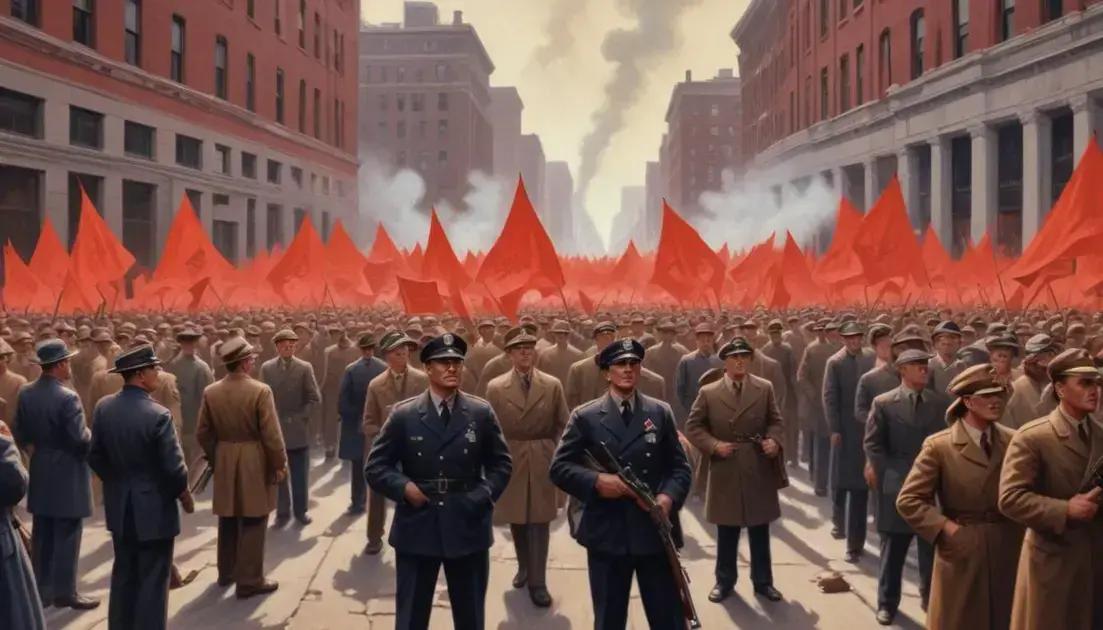
The Cold War was not just about military strength. It was also about scientific progress. Genetics played a huge role during this time. Scientists explored new ideas and methods to gain an edge in various fields.
Scientific Race
Countries like the United States and the Soviet Union competed to advance their scientific knowledge. Genetics became a key area of focus. Researchers studied DNA, heredity, and how these factors influence life. This understanding was essential for both military and health purposes.
Applications in Warfare
Genetics was used to enhance the physical abilities of soldiers. Programs aimed to discover ways to improve strength and endurance through genetic manipulation.
Medical Innovations
Genetics also led to advancements in medicine. During the Cold War, scientists developed vaccines and therapies for various diseases. These innovations saved many lives and showcased the importance of genetic research in healthcare.
Ethical Concerns
With these advancements came ethical questions. The idea of modifying genes raised concerns about safety and morality. People worried about the implications of such powerful technology.
Overall, genetics profoundly shaped the Cold War landscape. It influenced strategies, health, and ethical standards that resonate even today.
Biotechnology Breakthroughs: Weapons and Healing
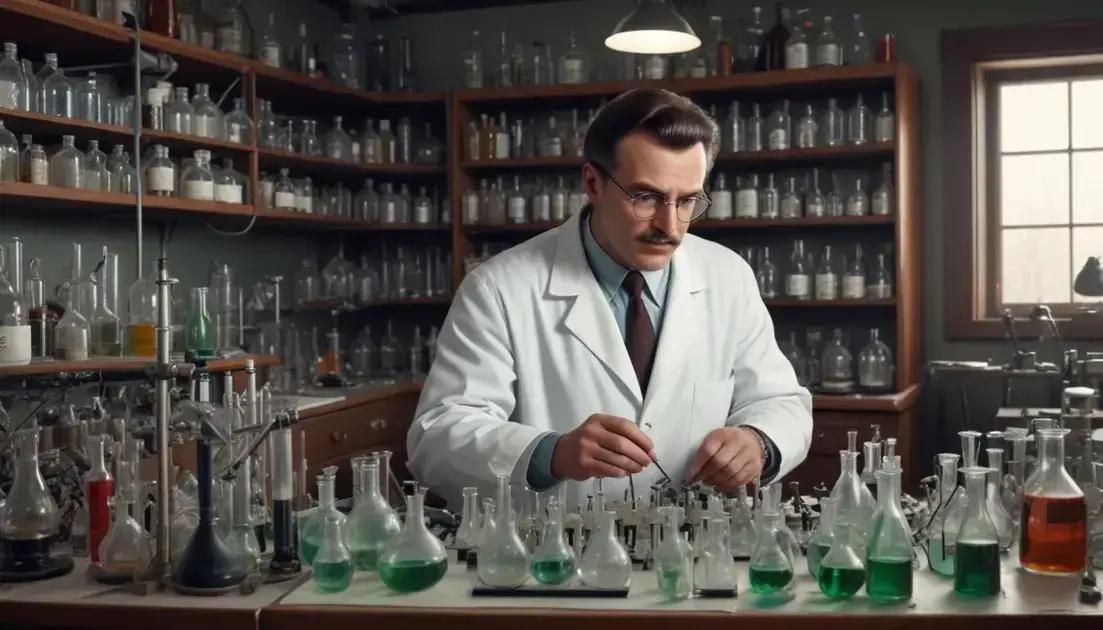
Biotechnology made amazing strides during the Cold War. These breakthroughs changed how we see both weapons and healing. Scientists worked hard to explore DNA and use it for different purposes.
Weapons Development
During this time, some biotech advances focused on creating powerful weapons. Researchers looked into ways to enhance chemical and biological weapons. They believed genetics could help make these weapons more effective.
Healthcare Innovations
On the flip side, biotechnology also aimed to heal. Some scientists studied how to create vaccines using genetic methods. This work led to faster production of vaccines for diseases during conflicts.
Manipulating Microorganisms
Another major breakthrough involved manipulating microorganisms. Scientists learned how to alter bacteria and viruses to study their effects. This knowledge was crucial for both weaponry and public health.
Ethics and Dilemmas
While these advancements were exciting, they raised ethical questions. Many worried about the dangers of using biotechnology for harmful purposes. The balance between healing and harming was often debated.
Overall, biotechnology during the Cold War showed its dual nature. It had the power to protect and heal, but it also posed serious risks.
Ethical Implications of Genetic Manipulation
Genetic manipulation has opened many doors, but it also raises important ethical questions. Ethical implications are crucial to consider as we move forward. The choices we make today can shape our future.
Playing God
Some people feel we’re playing God by altering genes. This concern is valid because tinkering with nature can have unforeseen effects. Are we ready to take on that responsibility?
Safety Risks
Another major issue is safety. Genetically modified organisms (GMOs) might have effects we can’t predict. What happens when they interact with natural ecosystems? This uncertainty makes many people uneasy.
Ownership and Accessibility
Who owns the rights to genetic information? As companies patent genes, questions arise about accessibility. Will only the wealthy benefit from these advancements? This creates a divide in society.
The Impact on Future Generations
There’s also concern about how genetic changes affect future generations. If we alter the DNA of humans, we might be changing the course of evolution. What unintended consequences could arise?
In summary, while genetic manipulation holds promise, it also demands careful thought. We must weigh the benefits against potential ethical dilemmas.
Legacy of Cold War Innovations
The Cold War sparked many innovations that still affect us today. The legacy of Cold War innovations is vast and diverse. From technology to medicine, these advancements changed our lives.
Technological Advances
During the Cold War, countries raced to develop new technologies. Satellite technology became crucial for communication and spying. These satellites laid the groundwork for our modern GPS systems.
Medical Discoveries
In medicine, significant breakthroughs emerged. Vaccines for diseases like polio were developed faster than ever. The demand for medical advancements pushed science forward at an impressive rate.
Space Exploration
Space exploration took off during this period, driven by competition. The U.S. and the Soviet Union aimed to be the first in space. This race led to milestones, including landing on the moon.
Impact on Society
The innovations from this era helped shape society. They influenced how we communicate, travel, and receive healthcare today. Many technologies we take for granted started in this fascinating time.
Overall, the Cold War fostered creativity and urgency in various fields. Its legacy endures, reminding us of the power of competition in driving progress.
Current Perspectives on Cold War Genetic Research
Today, we view Cold War genetic research through a new lens. Current perspectives on Cold War genetic research highlight both its impact and the lessons we’ve learned. Scientists have made great strides since then.
Advances in Understanding Genetics
Research from the Cold War laid a foundation for modern genetics. Discoveries in DNA structure and function paved the way for today’s medical breakthroughs. The basics of genetics we study now started with that era’s explorations.
Ethical Considerations
We also reflect on the ethical concerns from that time. Many people worry about how genetics can be used today. Issues like gene editing and genetic privacy are hot topics now.
Applications in Medicine
Today, many medical applications stem from Cold War research. For instance, gene therapy helps treat genetic disorders. Vaccines developed during that time also continue to save lives.
Learning from the Past
Current scientists learn from Cold War research. They see the importance of ethical guidelines and responsible practices. As we push forward, knowing our history helps guide our actions.
Overall, perspectives on Cold War genetic research remind us to balance innovation with caution. We must ensure that progress benefits all of society.
Conclusion
In conclusion, the impact of Cold War genetic research has shaped our understanding of genetics today. We’ve gained valuable insights that lead to medical advances like gene therapy and vaccines. As we move forward, we must also remember the ethical considerations that come with these powerful tools. Balancing innovation with responsibility is key.
Looking back at the lessons learned during the Cold War helps guide scientists today. By understanding our past, we can make informed decisions that benefit everyone. Ultimately, the goal is to use genetic research safely and wisely, ensuring it serves the greater good of society.
Tags: