Germany Reunited: A New Beginning After the Wall
The reunification of Germany ended decades of division, leading to significant cultural and economic changes. It fostered unity while celebrating diversity, enriching the nation’s identity. Although challenges remain, the blending of traditions and growth in various sectors showcases the resilience and spirit of a united Germany today.
Reunification marked a pivotal moment in history, resonating deeply with those who lived through it. What does this new chapter mean for today’s Germany?
Understanding the Significance of the Berlin Wall’s Fall
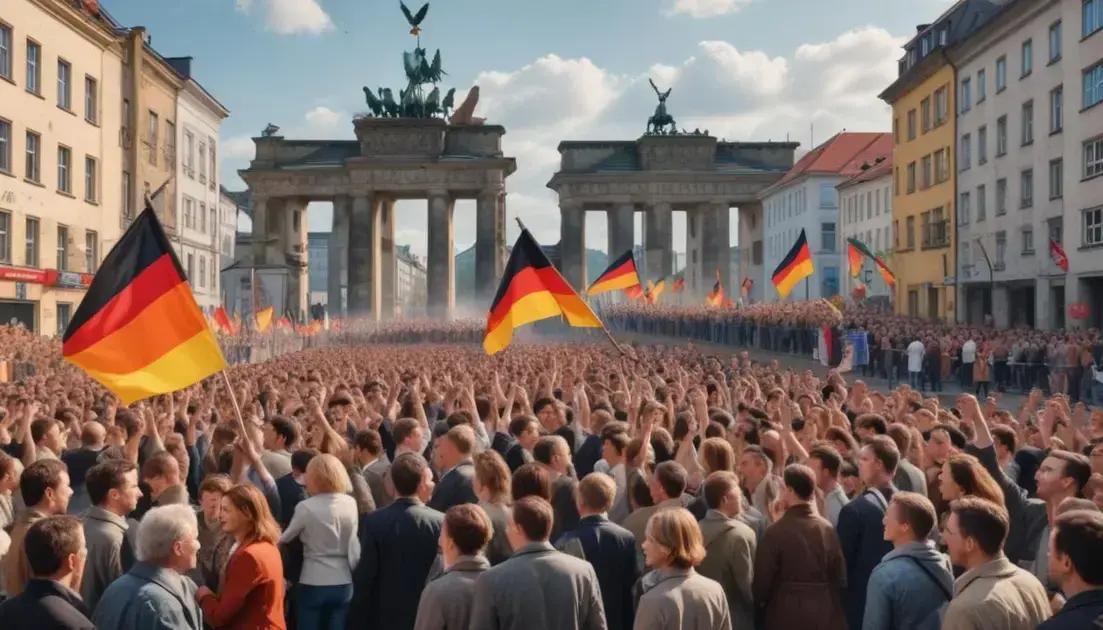
The fall of the Berlin Wall in 1989 was a powerful symbol of change. It marked the end of a divided Germany and a divided Europe. People from both East and West Germany celebrated together, tearing down the wall piece by piece.
Why Was the Berlin Wall Built?
The Berlin Wall was built in 1961. It separated East Berlin from West Berlin. The goal was to stop people from fleeing to the West for better opportunities. This division lasted for 28 years, impacting many lives.
Impact of the Wall’s Fall
When the wall fell, hope returned to many. Families were reunited and friendships restored. The event paved the way for Germany’s reunification in 1990. It showed the power of people coming together for freedom.
A Symbol of Freedom
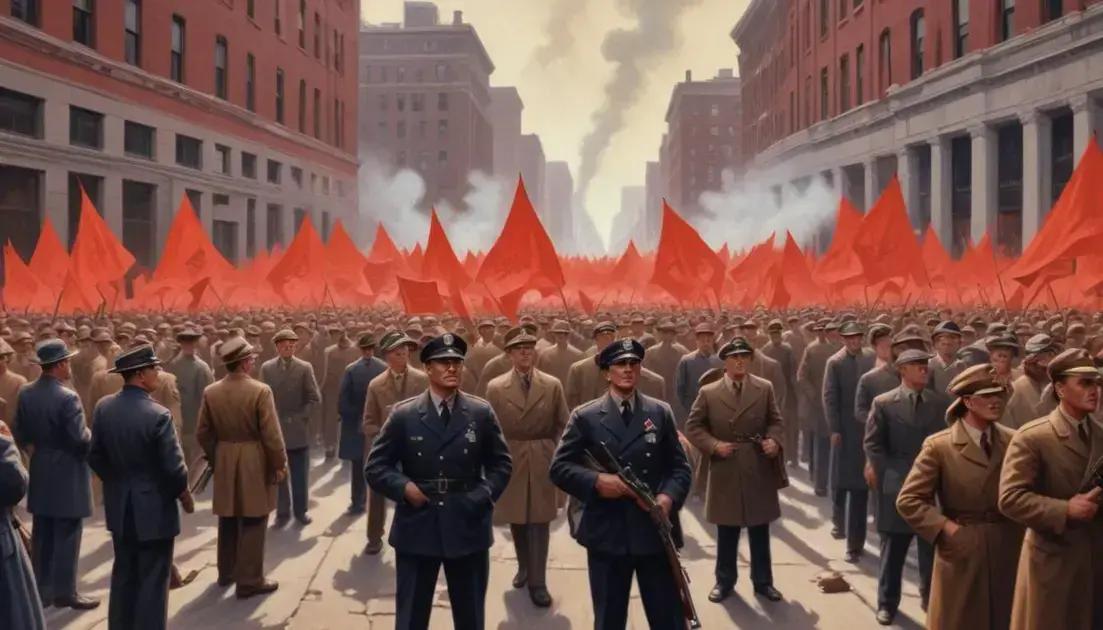
The Berlin Wall became a symbol of oppression. Its fall represented the triumph of democracy over totalitarianism. Many countries looked to Germany as a model for peaceful change.
The effects continue today. Berlin is now a vibrant city, full of life and culture. The memory of the wall serves as a reminder of the importance of unity and freedom for all.
Personal Stories from the Reunification Era
During the reunification era, many people faced dramatic changes in their lives. Families reunited after years apart. Friends who once lived in different worlds came together. These personal stories show the real impact of reunification.
Personal Accounts of Reunification
Many East Germans dreamed of a free life in the West. When the wall fell, some didn’t waste time. They packed their bags and crossed over. One woman recalls seeing her childhood friend for the first time in decades.
Challenges and Triumphs
However, reunification wasn’t always easy. Job losses and economic struggles hit many in East Germany. People had to adapt to new systems. Some found joy in new opportunities, while others felt left behind.
Shared Experiences
Despite the challenges, shared experiences often brought people together. Celebrations of unity took place in cities across Germany. Festivals, concerts, and street parties became common. These events showcased a new spirit of hope.
Personal stories remind us that reunification was not just a political event. It was a deeply human experience, filled with joy, sadness, and resilience. The memories of those times continue to shape Germany today.
The Economic Impact of Reunification
The reunification of Germany had a huge economic impact on both East and West. East Germany faced many challenges while trying to catch up. The shift to a free-market economy wasn’t easy.
Investment in Infrastructure
After reunification, massive investments were made in East Germany’s infrastructure. Roads, schools, and public transport systems were upgraded. Many sought to create a more balanced economy across the two regions.
The Rise of New Businesses
With new opportunities arose new businesses. Entrepreneurs began opening shops and services. People were eager to innovate and create. This spirit helped stimulate local economies.
Job Market Changes
Job markets shifted dramatically post-reunification. Many industries flourished while others struggled. Unemployment rates were high in the beginning. However, over time, more jobs became available.
People from the East found work in different sectors. Companies adjusted to include a wider range of skills and talents. Collaboration between East and West industries grew, fostering diversity.
Long-Term Effects
Today, the economic landscape of Germany reflects this dynamic history. East and West have seen growth, but challenges remain. The impact of reunification continues to shape policies and opportunities for all Germans.
Cultural Changes After Reunification
After reunification, Germany saw major cultural changes. East and West had different ways of life, and blending these cultures took time. People began to explore new ideas and experiences together.
Art and Music Flourished
With the wall gone, artists from both sides came together. They created music and art that mixed styles and voices. Festivals and concerts became popular, showcasing this new cultural fusion.
Shared Traditions
Cultural traditions also began to merge. People shared food, customs, and holidays. Gatherings celebrated both East and West German heritage. This helped bridge gaps between the two cultures.
The Rise of New Identities
As society evolved, new identities emerged. Germans started to see themselves as one community. Young people, in particular, embraced this idea, connecting through social media and cultural events.
Languages and dialects also interacted. Many enjoyed discovering new phrases and expressions. This exchange created a fresh, modern German culture.
Ongoing Challenges
Despite these changes, some cultural divides remained. People still remembered their past. Over time, open dialogue helped break these barriers. The trend toward unity continued to grow.
Reflections on a Unified Germany Today
Today, a unified Germany reflects a mix of history and progress. People in Germany enjoy freedoms that were once few and far between. The nation has grown as a vibrant democracy.
Unity and Diversity
In modern Germany, diversity is celebrated. Citizens come together from different backgrounds. This blending creates a rich culture filled with various perspectives and traditions.
Economic Strength
Germany’s economy thrives today. It stands as one of the strongest in Europe. Many industries have flourished since reunification, providing jobs and opportunities for all.
Education and Innovation
Education plays a big role in Germany’s success. Schools and universities focus on innovation and creativity. Young people are encouraged to think critically and explore new ideas.
Many Germans are proud of their commitment to sustainable practices, leading the way in green technology. This forward-thinking approach helps everyone in the long run.
Challenges Ahead
Even with progress, challenges still exist. Some regions feel left behind economically. Social and cultural differences can still impact lives. However, there’s a strong belief in overcoming these hurdles together.
People recognize that unity is key to a brighter future. Ongoing conversations aim to heal old wounds and connect communities.
Conclusion
In conclusion, the reunification of Germany brought many changes that shaped the nation we see today. From cultural blending to economic growth, these transformations are important to recognize. People across Germany now enjoy greater freedoms and opportunities than ever before.
The stories of personal connections and shared experiences highlight the human side of history. Even though challenges remain, the spirit of unity continues to grow. Moving forward, Germany can embrace its diverse identity while learning from the past.
Ultimately, reflecting on these changes helps us appreciate how far Germany has come as a unified nation. The journey of reunification showcases the strength of community and the power of resilience. With ongoing efforts, the future looks bright for all Germans.