Haiti: the only successful slave revolution
The Haitian Revolution was a pivotal event leading to Haiti becoming the first independent Black republic. Key figures like Toussaint Louverture and Jean-Jacques Dessalines played crucial roles in the struggle against colonial oppression, inspiring movements for freedom globally. The legacy of the revolution emphasizes unity, strong leadership, and the ongoing fight for justice and equality, making it a symbol of hope and resilience in modern-day discussions about human rights.
Haiti Revolution stands as a beacon of freedom and resilience. Imagine a group of enslaved individuals rising against oppression and winning not just a battle but a nation. Curious about how this unfolded? Let’s dive into the incredible journey of Haiti!
Understanding the Significance of the Haitian Revolution
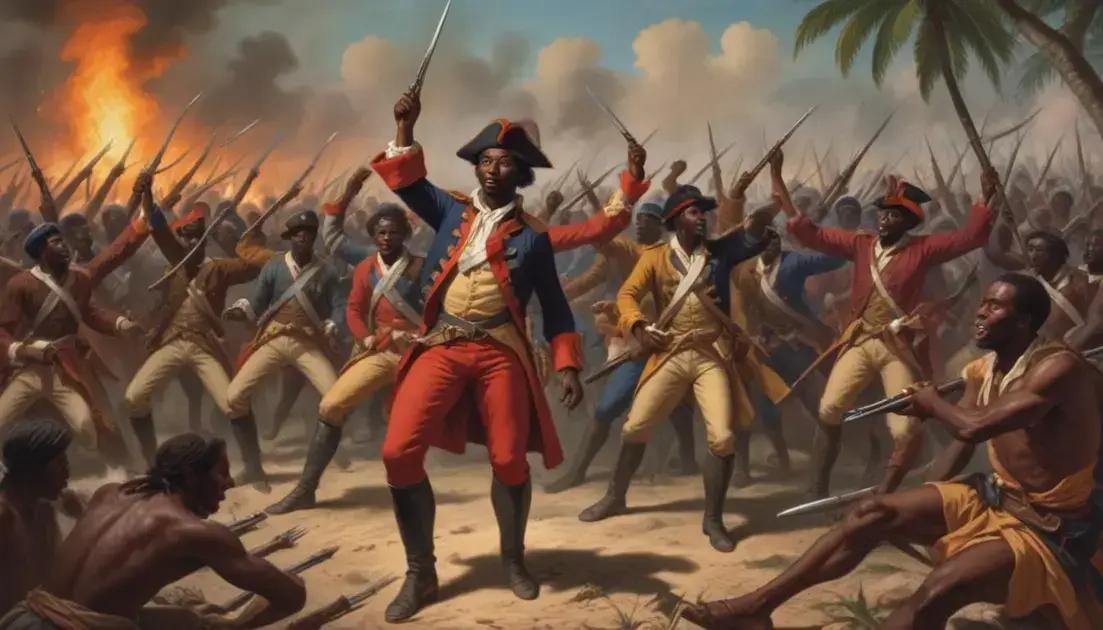
The Haitian Revolution was a groundbreaking event in world history. It took place from 1791 to 1804. This was when enslaved people in Haiti fought against French colonial rule. They wanted freedom and equality like never before.
The revolution led to Haiti becoming the first Black republic. It was also the first country to end slavery completely. This inspired other countries and revolutions around the world, showing that it’s possible to stand up against oppression.
During this time, leaders like Toussaint Louverture emerged. He was a key figure in the fight for freedom. He organized the enslaved people and challenged the powerful French forces. His leadership showed that unity and a strong will can bring about change.
The revolution was not just about gaining land; it was about human rights. The Haitian people wanted to create a nation based on liberty and justice. Their struggle highlighted the universal fight for freedom.
This event affected many others, including the United States and Europe. It brought attention to issues of slavery and colonialism. The success of the Haitian Revolution made colonial powers reconsider their control.
Today, the legacy of the Haitian Revolution remains strong. It serves as a reminder that people can change their destiny. The courage of those who fought for freedom continues to inspire generations.
Understanding the significance of the Haitian Revolution helps us see the power of resilience. It shows how ordinary people can bring about extraordinary change in their lives and the world around them.
Key Figures in the Revolution
During the Haitian Revolution, several key figures emerged as leaders of the fight for freedom. Each played a crucial role in the struggle against French colonial rule.
Toussaint Louverture was one of the most important leaders. He was born into slavery but became a skilled general and statesman. Toussaint organized the enslaved people into a strong army. He fought bravely and pushed back the French forces.
Another significant figure was Jean-Jacques Dessalines. He served under Toussaint but later took command. After Toussaint’s capture, Dessalines led the final battles for independence. He declared Haiti a free nation in 1804.
Henri Christophe also played a vital role. He was a close ally of Toussaint and later became the king of Haiti. Henri worked to build a strong government and defend the nation against outside threats.
Women played essential roles too. Figures like Marie-Jeanne Lamartinière were active in the revolution. She fought alongside men and became a symbol of bravery and resistance.
These leaders and many others showed great courage. Their dedication helped shape Haiti’s future. They fought for freedom when no one expected them to succeed.
The impact of these leaders continues to inspire people fighting for justice today. Their stories remind us of the power of determination and unity in the face of oppression.
The Impact on Modern Day Haiti
The Haitian Revolution had a huge impact on modern-day Haiti. This struggle for freedom shaped the country in many ways. After gaining independence, Haiti became a symbol of hope. It showed that people can fight for their rights and win.
Today, Haiti still reveals the effects of its history. The revolution inspired movements for freedom and equality across the world. Many admire Haiti’s spirit and resilience even in tough times.
However, the revolution also left challenges. Years of political instability followed independence. Weak governments and economic struggles affected the nation. Today, Haiti grapples with poverty and infrastructure issues.
Despite these challenges, the spirit of the revolution lives on. People continue to seek justice and rebuild their communities. Many Haitians take pride in their revolutionary history. They honor their ancestors’ sacrifices and strive for a brighter future.
Internationally, Haiti’s story influences discussions about human rights and social justice. The world looks to Haiti as a reminder of the fight against oppression. This rich history encourages others to stand up for their rights.
Understanding the impact of the Haitian Revolution is key. It helps us see the connection between the past and present. Haitians continue to inspire with their determination to overcome obstacles.
Lessons from History: The Enduring Legacy
The Haitian Revolution teaches us many important lessons. It shows the power of unity and determination. People came together to fight for their freedom. This spirit is a vital part of Haiti’s legacy.
One big lesson is that change is possible. When people believe in their cause, they can overcome obstacles. The fight against oppression inspires movements worldwide. Many nations look to Haiti as a symbol of hope.
Another lesson is the importance of leadership. Strong leaders emerged during the revolution. They guided others and inspired them to take action. Good leadership can help unite people for a common goal.
However, the revolution also highlights the need for stability. After gaining freedom, Haiti faced many challenges. Political issues and economic struggles followed independence. Understanding these lessons helps us see the need for good governance.
Moreover, the revolution emphasizes the power of resilience. Haitians continue to fight for their rights today. Their history shows that even in tough times, people can strive for a better future.
Learning from Haiti’s legacy encourages us to stand up against injustice. It reminds us that the fight for freedom is universal. The Haitian Revolution is a reminder that the journey is ongoing.
Conclusion
In conclusion, the Haitian Revolution teaches us valuable lessons about freedom and resilience. It reminds us that unity and strong leadership can lead to great change. Despite facing many challenges, the spirit of the revolution inspires us to stand up against injustice.
Today, Haiti’s story is not just about its past. It is a symbol of hope for those fighting for their rights around the world. The enduring legacy of this struggle encourages us to keep pushing for a better future.
As we learn from history, let’s remember the power of the people. Together, we can work towards justice and equality for all. The lessons from the Haitian Revolution continue to resonate and remind us that the fight for freedom is ongoing.