Hellenistic Age: when Greek culture ruled the world
The Hellenistic Era, marked by the spread of Greek culture after Alexander the Great, profoundly influenced art, science, and philosophy. It led to significant cultural exchanges, blending local traditions with Greek ideas. The period is known for advancements in education and impactful philosophies like Stoicism and Epicureanism. Notable achievements in art and architecture shaped future Roman culture, highlighting the era’s lasting legacy that encourages appreciation for diversity and innovation.
Welcome to the Hellenistic Age, a fascinating period when Greek culture not only spread but flourished, transforming the ancient world in profound ways. Want to dive deeper? Let’s explore!
The Birth of Hellenistic Culture
The Hellenistic culture began after the conquests of Alexander the Great. His travels spread Greek ideas across new territories. This era combined local traditions with Greek influences, creating a unique cultural blend.
Key Features of Hellenistic Culture
During this time, cities like Alexandria became vibrant hubs of learning and art. They attracted scholars, artists, and philosophers from various regions. This melting pot led to innovations in philosophy, science, and the arts.
Philosophy and Science
Philosophy flourished with schools such as Stoicism and Epicureanism. Thinkers like Epicurus focused on happiness and the pursuit of pleasure. Meanwhile, scientists like Archimedes made discoveries that changed the world.
Art and Architecture
Hellenistic art is known for its realism. Artists captured human emotions and everyday life. In architecture, grand buildings and statues showcased the achievements of this vibrant culture.
Cultural Exchange
The Hellenistic period also saw a lot of cultural exchange. People traveled, traded, and shared ideas. This helped different cultures influence one another, enriching the arts and sciences.
Overall, the birth of Hellenistic culture laid the groundwork for much that came after. It helped shape the future of the Western world and beyond.
Key Philosophies and Scientific Advancements
The Hellenistic Age brought exciting philosophies and scientific advancements. Thinkers like Epicurus talked about happiness. His ideas encouraged people to find joy in simple pleasures.
Epicureanism
Epicureanism teaches that seeking pleasure can lead to a good life. It’s not just about indulgence; it’s about balance. Epicurus believed in enjoying life’s small joys while avoiding pain.
Stoicism
Another key philosophy was Stoicism. Stoic thinkers, like Seneca, taught that self-control is crucial. They believed life is full of challenges, and it’s about how we respond to them.
Scientific Breakthroughs
In science, there were huge breakthroughs. Archimedes, a famous scientist, made discoveries in mathematics and physics. His work on levers and buoyancy is still taught today.
Advancements in Astronomy
Astronomy also saw great progress. People began to understand the stars and planets better. The idea that Earth revolves around the sun started gaining traction during this time.
Influence on the Future
These philosophies and scientific ideas profoundly shaped later thought. They influenced Roman culture and continue to impact us today. The Hellenistic Age was a pivotal time for both philosophy and science.
Art and Architecture of the Hellenistic Period
The Hellenistic period was a time of amazing art and architecture. After Alexander the Great’s conquests, artists started to blend styles. They mixed Greek techniques with local influences, creating new forms of expression.
Characteristics of Hellenistic Art
Hellenistic art is known for its realism. Artists aimed to capture emotions in their sculptures and paintings. You can see this in lifelike expressions and detailed bodies.
Famous Sculptures
Some famous sculptures from this time include the Laocoön and the Winged Victory of Samothrace. These works show intense emotion and dynamic movements. They still inspire artists today.
Architecture Innovations
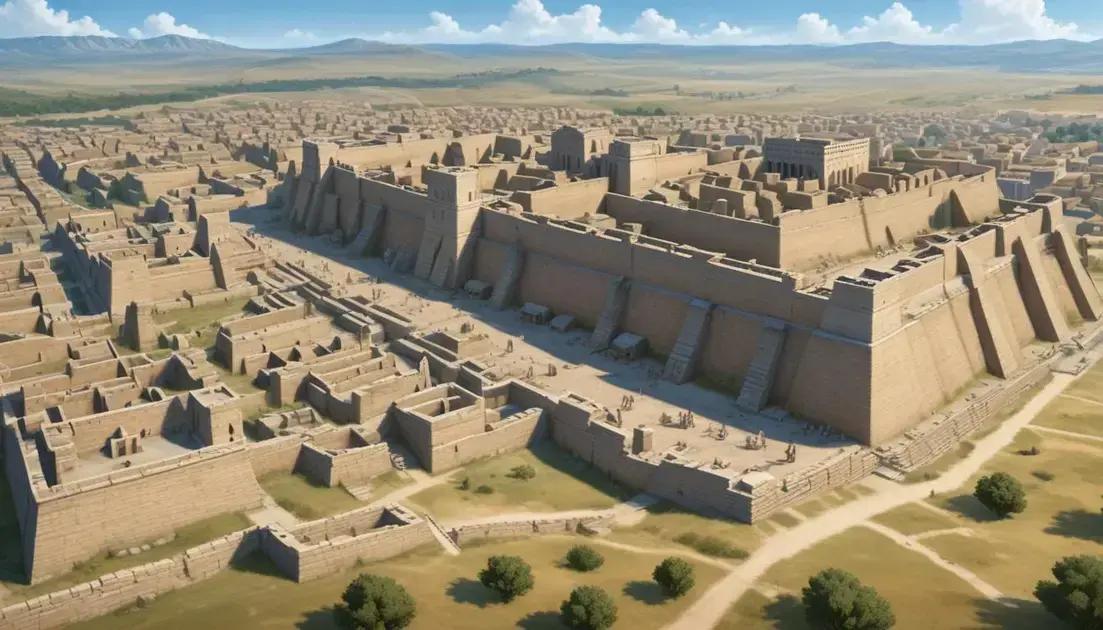
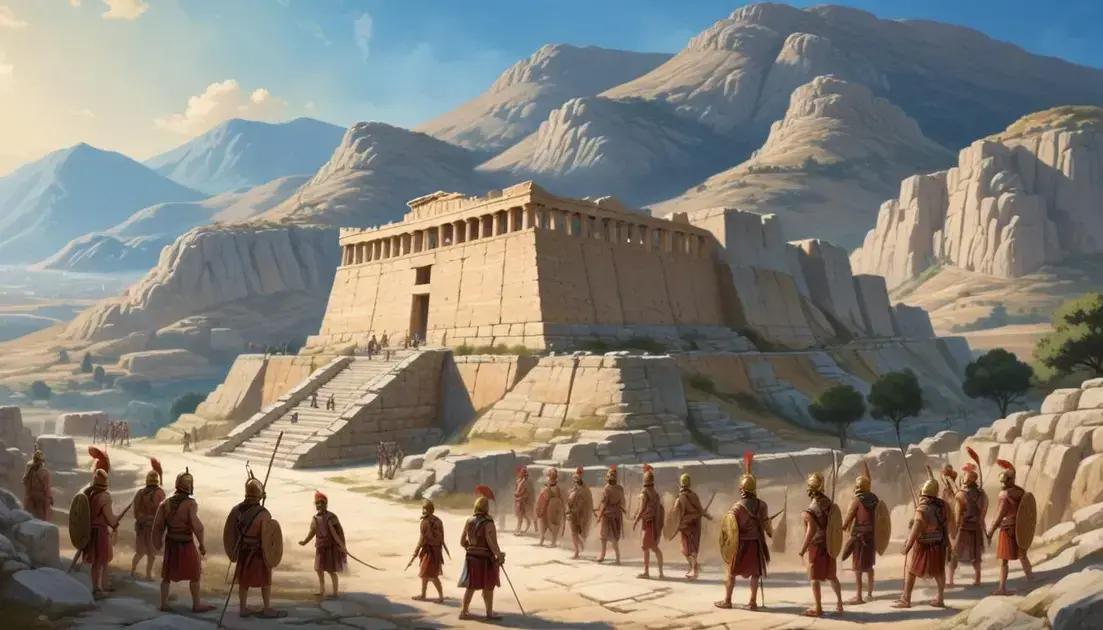
In architecture, the Hellenistic period saw grand buildings. Temples and theaters were built on a larger scale. The Great Altar of Pergamon is a prime example of the intricate designs of this time.
Influence on Future Art
The art and architecture of the Hellenistic period influenced later styles, including Roman and Byzantine art. These creations set standards that artists would follow for centuries.
Overall, Hellenistic art and architecture were crucial in developing Western art. The creativity of this time still resonates in today’s artistic expressions.
Cultural Exchanges in Hellenistic Empires
The Hellenistic Empires were known for their rich cultural exchanges. When Alexander the Great expanded his empire, he brought different cultures together. This mixing of ideas created a vibrant and diverse environment.
Influence of Greek Culture
Greek culture played a huge role in these exchanges. Art, language, and philosophy spread widely. Local traditions blended with Greek influences, creating new ways of thinking and expressing oneself.
Trade and Interaction
Trade routes connected various regions. Merchants and travelers shared stories, goods, and ideas with each other. This constant movement helped cultures interact and evolve.
Shared Knowledge and Innovations
Scholars and thinkers exchanged knowledge. Cities like Alexandria became centers of learning. They attracted people from all backgrounds, contributing to advancements in science and philosophy.
Religion and Beliefs
Religious practices also mixed in the Hellenistic period. Different gods and beliefs influenced each other. People began to adopt new ideas about spirituality and worship.
This blending of cultures not only enriched individual societies but also created a shared heritage. The cultural exchanges during the Hellenistic Empires left a lasting impact on history.
Legacy of the Hellenistic Era
The Hellenistic Era left a rich legacy that still affects us today. Its blend of cultures and ideas shaped the course of history. This period influenced many areas, including art, science, and philosophy.
Influence on Roman Culture
The Romans admired Hellenistic achievements. They borrowed ideas in art and architecture. Many Roman buildings were inspired by Hellenistic designs, showing the lasting impact of this era.
Advancements in Education
Schools of thought from the Hellenistic period laid the groundwork for future education. Scholars like Euclid and Archimedes contributed to mathematics and science. Their work is still taught in schools worldwide.
Cultural Blending
Cultural mixing during the Hellenistic Era led to new artistic styles and philosophies. The teachings of Stoicism and Epicureanism guided people in their daily lives. These philosophies are still studied and valued today.
Global Influence
The spread of Hellenistic culture reached far beyond Greece and Rome. It affected regions like India and Egypt. This exchange of ideas helped shape various cultures around the world.
In summary, the legacy of the Hellenistic Era is vast. It introduced new ways of thinking and created a cultural foundation that endures to this day.
Conclusion
In conclusion, the Hellenistic Era had a profound impact on the world. Its blend of cultures and ideas shaped art, science, and philosophy in ways that still matter today. The influence of this period can be seen in Roman culture and continues to affect how we think and create.
By learning about the achievements of the Hellenistic period, we gain insight into our own history. The advancements in education and the fusion of different cultures have enriched our world. Embracing this legacy helps us understand the importance of cultural exchange and innovation.
Ultimately, the Hellenistic Era reminds us of the value of learning from the past. It encourages us to appreciate diversity and broaden our horizons in our own lives and societies.