How culture became a weapon during the Cold War
The Cold War culture left a lasting legacy reflected in music, literature, and art, significantly influencing modern society. Artists and writers utilized their craft to express political sentiments and provoke thought, shaping public opinion during this tumultuous period. Cultural diplomacy emerged as a key strategy, using creative exchanges to foster understanding and reduce tensions between nations. The impact of Cold War culture continues to inspire activism and creative expression, underscoring the power of art and literature as tools for change.
Cold War culture was not just about rivalry; it was about using creative expressions to convey powerful political messages. Have you ever wondered how music, literature, and art became tools in a global struggle? Let’s dive in!
The Role of Music in the Cold War
The Role of Music in the Cold War was significant, with artists using their voices to speak out against oppression. Music became a way to share ideas and connect people across borders. Lyrics often carried political messages, serving as a form of protest.
During the Cold War, songs reflected the emotions of their time. From folk music to rock ‘n’ roll, musicians expressed not just personal feelings but also shared experiences of struggle and hope. For example, Bob Dylan’s songs became anthems for change. His lyrics resonated with many who sought freedom.
Moreover, jazz played a unique role, especially in the context of race and identity. African American musicians, like Louis Armstrong and Duke Ellington, used this genre to represent the fight for civil rights. Jazz was more than just music; it was a statement against inequality.
Internationally, music served as a bridge, fostering understanding during tense times. Events like the cultural exchange programs brought artists from opposing sides together, showcasing how powerful music can be in breaking down barriers.
In essence, music during the Cold War was not only a source of entertainment. It helped shape opinions and connected people who otherwise might never have communicated. From protest songs to jazz festivals, this art form emphasized the power of unity and the human spirit.
Literature as Political Commentary
Literature as Political Commentary played a vital role during the Cold War. Writers used their stories to shed light on political issues. Books became a way to express dissent and provoke thought. They encouraged people to question authority and imagine a better world.
Writing wasn’t just serious; it also had a playful side. Satirical works used humor to criticize politics. These narratives helped readers see the absurdity of certain actions taken by governments. They made important points without sounding too heavy.
Furthermore, poetry and essays became outlets for feelings. Poets like Allen Ginsberg expressed anger and hope through their verses. These words resonated with many who faced oppression.
Literature often crossed borders, reaching people everywhere. It encouraged solidarity among those who opposed the Cold War tensions. By connecting readers to shared struggles, writers built understanding and empathy.
Overall, literature acted as a powerful tool, shaping opinions and inspiring change. It did more than just entertain; it made people think deeply about their lives and their societies.
Art as Propaganda
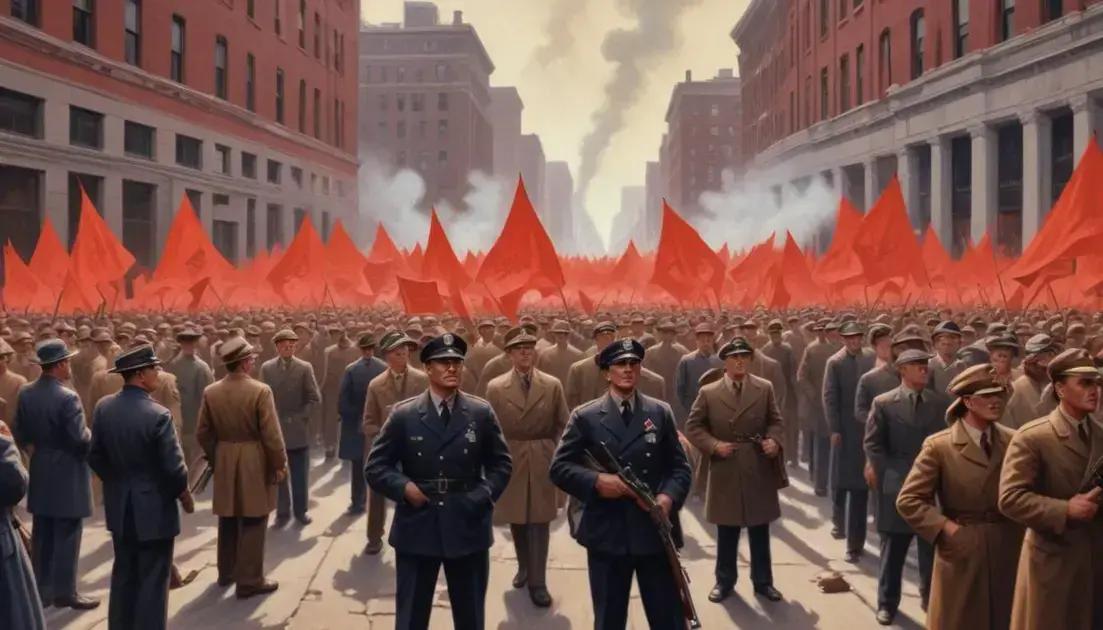
Art as Propaganda was a powerful tool during the Cold War. Governments used it to convey their messages and shape public opinion. Artists were often enlisted to create works that supported political agendas.
Posters, paintings, and sculptures became essential in spreading ideas. Bright colors and bold designs caught people’s attention. For instance, many pieces depicted the virtues of democracy or warned against communism.
Moreover, films and theatrical performances played vital roles. They told stories that promoted national pride and unity. Many movies glorified heroes who stood against the enemy, influencing how people viewed different nations.
Artists faced pressure to conform to official narratives. However, some used their platforms to push back. They created pieces that critiqued the government, showcasing the tension between authority and artistic freedom.
Art movements like Social Realism depicted the struggles of everyday people. These works highlighted social issues, prompting discussions among the public. They reminded audiences that art could challenge norms and inspire change.
In summary, art during the Cold War was not just for enjoyment. It served as a means of persuasion and commentary, reflecting the complex relationship between creativity and politics.
Cultural Diplomacy
Cultural Diplomacy played a key role during the Cold War. It involved using cultural exchanges to improve relations between nations. By sharing art, music, and literature, countries aimed to foster understanding and reduce tensions.
One famous example is the U.S. sending jazz musicians abroad. Artists like Louis Armstrong and Duke Ellington showcased American culture. Their performances helped break down barriers and build friendships with foreign audiences.
Similarly, countries hosted exhibitions and festivals. These events allowed people to experience different cultures firsthand. They showcased traditional dances, films, and crafts, promoting appreciation and respect.
Through these exchanges, nations hoped to counteract negative stereotypes. They aimed to present a more positive image of their societies. By highlighting shared values, cultural diplomacy sought to ease fears and suspicion.
However, it wasn’t always smooth sailing. Some exchanges faced political hurdles. Artists sometimes had to navigate strict regulations and censorship. This tension highlighted the challenges of using culture in diplomacy.
In summary, cultural diplomacy was not just about art and music. It was about connecting people and promoting peace during a time of great division.
The Legacy of Cold War Culture
The Legacy of Cold War Culture continues to shape our world today. It influenced everything from politics to art and music. Many aspects of this era still resonate with us and affect modern society.
One major impact was the way culture became a tool for communication. Artists and writers used their work to comment on political issues. This trend reminds us how powerful creativity can be in sparking change.
In music, Cold War anthems still inspire new generations. Songs from that time encourage activism and highlight social justice issues. They show how music can unite people for a common cause.
The visual arts also flourished, raising awareness about global conflicts. Artists created pieces that depicted themes of struggle and resistance. These works continue to speak to issues we face today.
Additionally, literature during this period tackled complex themes. Authors captured the fears and hopes of a divided world. Their stories still provide valuable insights into human nature and our societal challenges.
Overall, the cultural legacy of the Cold War is significant. It serves as a reminder of the power of expression in fighting for ideals and making a difference.
Conclusion
In conclusion, the cultural impact of the Cold War continues to influence our world today. Through music, literature, and art, people expressed their hopes and fears. These creative forms served as powerful tools for communication and change.
We see how the legacy of Cold War culture inspires new generations. It encourages artists and activists to use their voices for good. By studying this rich history, we gain insights into the ongoing struggle for freedom and understanding.
Ultimately, the lessons from this era remind us that culture can bridge divides and foster unity. As we move forward, let’s remember the power of expression and the importance of working together to create a better future.
Tags: