How photography told lies during wars
The ethical aspects of war photography involve crucial considerations such as respecting the dignity of subjects, obtaining informed consent, and balancing the need for impactful storytelling with the truth. These principles ensure that images do not exploit individuals’ suffering while maintaining public trust in media. Understanding the true implications of these photographs is vital for both photographers and viewers, as they shape public perception and awareness about war.
Photography has always been a powerful tool in capturing the essence of war, but what happens when the lens is used to distort reality? Let’s explore!
The historical role of photography in wars
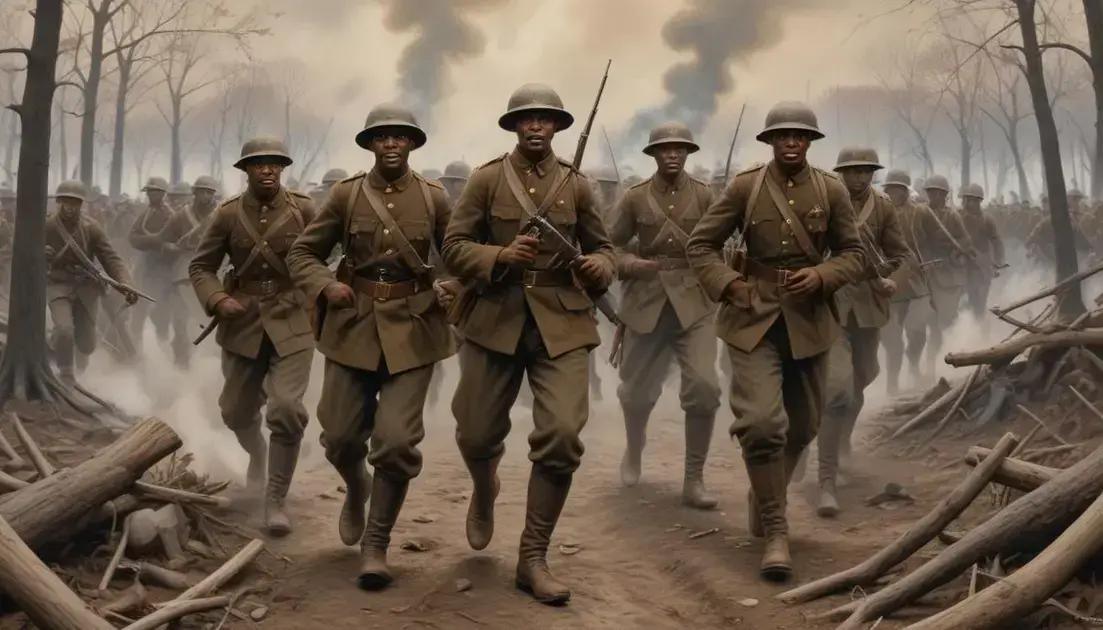
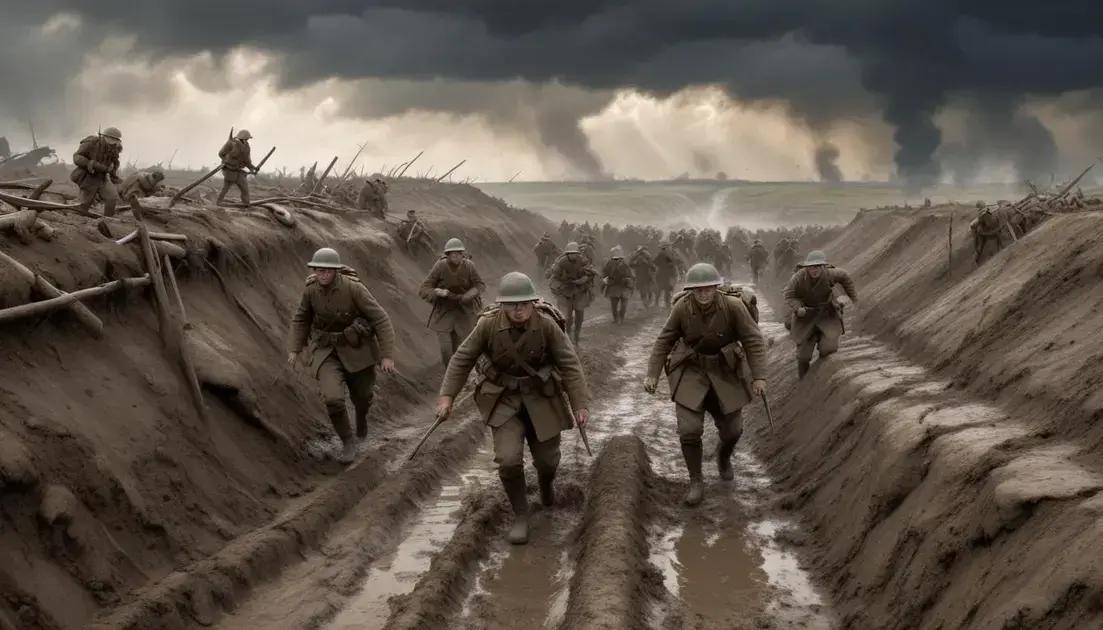
The historical role of photography in wars is quite fascinating. Since the 19th century, photography has documented battles and the impact of conflict on people. Early war photographers faced many challenges. They often had to set up large cameras that were bulky and heavy, which made capturing the action difficult.
Early War Photography
During the American Civil War, for instance, photographers like Mathew Brady took powerful images. These photos shocked the public and changed how people viewed war. They captured the harsh realities of battlefields and the aftermath of conflicts.
The Evolution of Techniques
As technology improved, so did the ability to photograph wars. The introduction of lighter cameras allowed photographers to be more mobile. This change made it easier to capture spontaneous moments, showing the humanity behind the soldiers and victims.
Impact on Public Perception
Photography played a key role in shaping public opinion about war. Images from the Vietnam War, for example, brought the war into people’s living rooms. Shocking images influenced protests and discussions about military actions.
Photographic Narratives
Photographs tell stories in ways that words often can’t. The faces of soldiers and civilians capture emotions and experiences that resonate with viewers. Each image can spark empathy and understanding, reminding us of the human cost of war.
Case studies of misleading photographs
Case studies of misleading photographs show how pictures can deceive. Some images have changed opinions, but not always in honest ways. For example, during the Iraq War, a famous photo of a soldier capturing a young girl was later found to be staged. Many people were shocked when they learned this.
Iconic Examples
Another well-known case involves a photo taken during the Vietnam War. It showed a soldier holding a child. The image appeared heroic, yet it turned out the soldier was not a hero in that moment. This photo raised questions about the truth behind war images.
The Role of Media
Media outlets often choose images to tell a story. However, without context, these images can mislead viewers. A gripping photo might create a narrative that doesn’t reflect reality.
Ethical Implications
When photographers manipulate images, it raises ethical concerns. Should they prioritize truth or visual impact? This dilemma affects how we perceive war and its consequences. Misleading images can distort public understanding of events.
The Importance of Verification
Verification is crucial in today’s media landscape. Fact-checkers and independent sources are key to ensuring integrity. Viewers should seek multiple sources to understand the full story behind powerful images.
The impact of manipulated images on public perception
The impact of manipulated images on public perception can be significant. When people see a powerful photo, it can shape their feelings and opinions. Images can create a strong emotional response, often more than words can.
Creating Misinformation
Manipulated images can spread misinformation quickly. This is especially true on social media. A digital edit can change the story behind an image. Viewers might believe something that isn’t true just because of a single photo.
Shaping Narratives
Images often help tell a narrative. When they are altered, they can distort that narrative. For example, a photo that looks heroic can paint a soldier in a light that misrepresents their actions. This can affect how the public views conflicts and characters involved.
Emotional Reactions
People often react emotionally to images. If a manipulated photo shows suffering or heroism, it can evoke sympathy or pride. These feelings can drive people to support or oppose a cause based on what they see.
Importance of Trust
Trust in media is crucial. When images are manipulated, it undermines that trust. Viewers may become skeptical and unsure of what to believe. It’s vital for images to be authentic to maintain public confidence in media outlets.
Ethical considerations in war photography
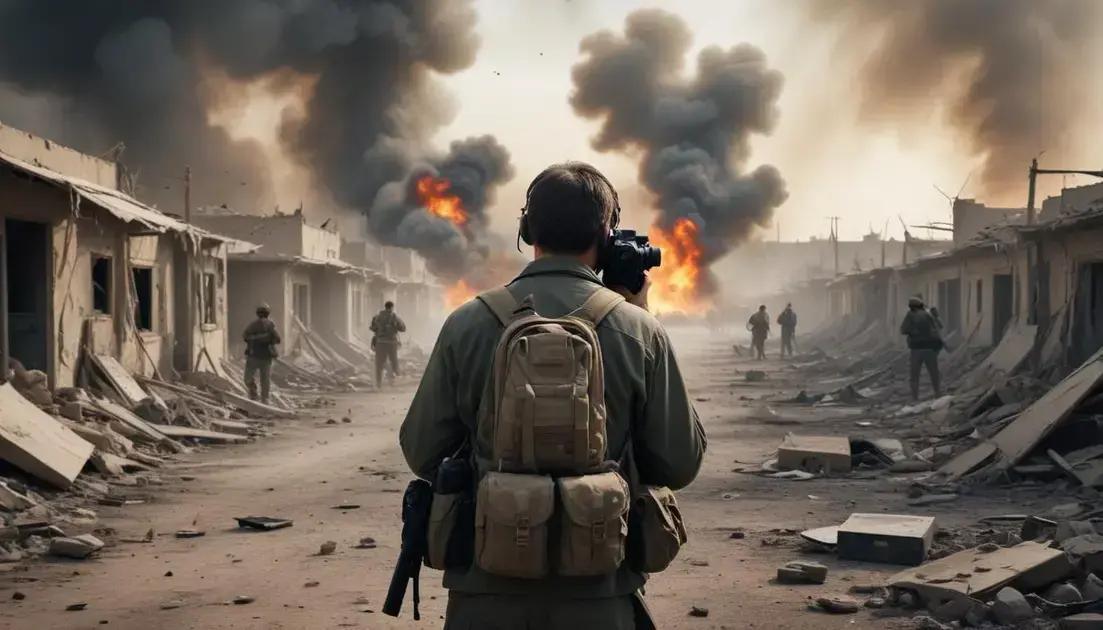
Ethical considerations in war photography are very important. Photographers face tough choices when capturing images during conflicts. They must balance the need for powerful storytelling with respect for the subjects involved.
Respect for Subjects
Photographers should treat their subjects with dignity. This means considering how images may affect those in the photos. For example, capturing moments of suffering can raise awareness, but it can also exploit people’s pain.
Truth vs. Sensationalism
Another ethical issue is the line between truth and sensationalism. Some images can be staged or manipulated to create a more dramatic narrative. This can mislead viewers and distort their perception of reality.
Informed Consent
Informed consent is also vital. Photographers should seek permission from people before taking their pictures, especially in vulnerable situations. Understanding the risks involved is essential for everyone involved.
Impact on Public Perception
War images strongly influence public perception. They can sway opinions and impact how people view conflicts. Photographers have a responsibility to present the truth while being aware of the potential impact of their work.
Conclusion
In conclusion, ethical considerations in war photography are crucial for both photographers and subjects. Respecting the dignity of individuals and presenting the truth are fundamental responsibilities. When images capture the harsh realities of conflict, they can raise awareness but must be handled with care.
It’s vital for photographers to ensure informed consent and balance the need for compelling stories with ethical practices. By doing so, they help maintain trust and integrity in their work. Ultimately, ethical war photography can bring light to important issues while honoring the humanity involved.