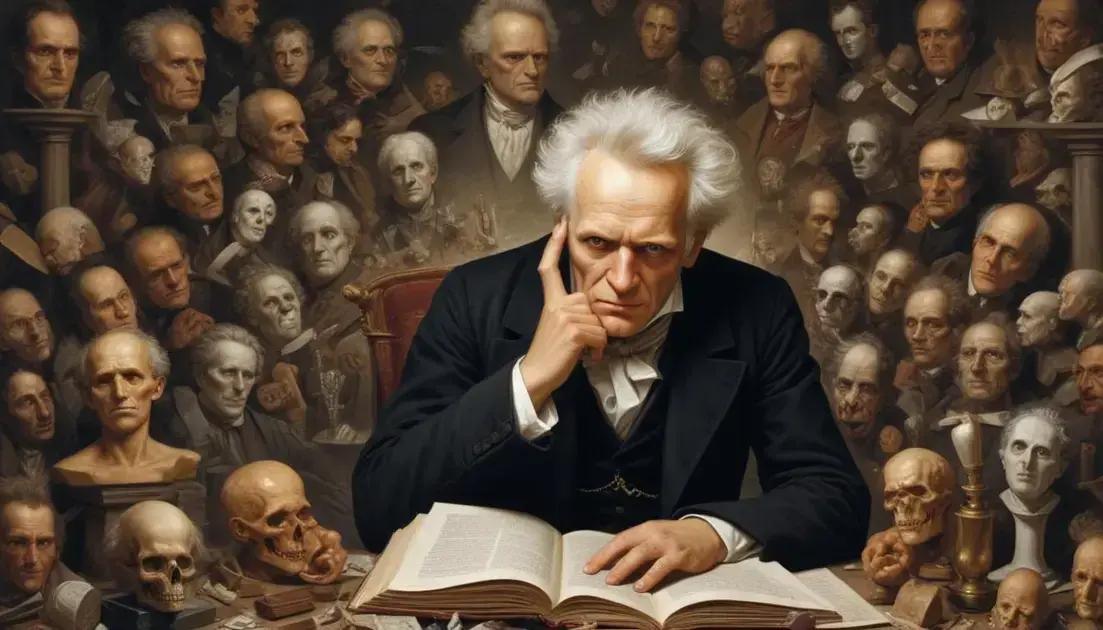
How reading became a foundation of democracy
The importance of education in shaping democracy cannot be overstated. Literacy empowers individuals, enabling them to participate in informed decision-making and advocacy. Historical education methods continue to influence modern teaching, emphasizing critical thinking and civic responsibility. As we integrate technology into learning, maintaining these core values will prepare future generations to engage actively in their communities and uphold democratic principles.
Education has played a crucial role in shaping democratic ideals throughout history. Ever wonder how reading has influenced our rights and freedoms?
The historical importance of reading
The historical importance of reading can’t be overstated. It has always been a powerful tool for learning and communication. In ancient times, people relied on written texts to share ideas and beliefs. This helped communities connect and grow.
Reading and Knowledge Spread
As reading spread, so did knowledge. Books allowed individuals to learn about different cultures and philosophies. This exchange of ideas laid the groundwork for future societies and developments.
Empowering the Masses
When more people learned to read, it changed everything. It helped ordinary folks understand their rights and roles in society. This led to movements for freedom and equality, making reading a catalyst for change.
Revival of Literacy in Modern Times
In modern times, literacy continues to be crucial. It shapes how we engage with the world. With every book read, a new perspective is gained, making us more informed and empathetic.
Literacy campaigns highlight how vital reading is for everyone. These initiatives aim to get books into the hands of those who need them most. This shows that reading can uplift entire communities and enrich lives.
How education shaped democracy
Education has been a key player in shaping democracy. It helps people understand their rights and roles. When individuals are educated, they can make informed choices. This empowers them to participate in government and community decision-making.
Access to Education
Access to education has driven social change. When more people gain access to schools, they become aware of their power. This awareness can spark movements for social justice and equality.
Critical Thinking Skills
Education teaches critical thinking. It encourages folks to question the status quo and think for themselves. This is essential in a democracy, where questioning authority and policies leads to improvement.
The Role of Schools as Community Hubs
Schools have served as community centers. They bring people together and foster discussions on civic issues. Such interactions build a stronger sense of community and citizenship.
As education evolves, it continues to shape democracy. New teaching methods and digital tools enhance learning experiences. This ensures that future generations remain engaged and empowered citizens.
The impact of literacy on society
The impact of literacy on society is profound. When people can read and write, they have better access to information. This access leads to informed decisions in everyday life. For instance, literate citizens can understand their rights and participate in the democratic process.
Improving Economic Opportunities
Literacy opens doors to job opportunities. Employers often seek individuals who can read and write. This boosts self-sufficiency and improves living standards in communities.
Enhancing Health Awareness
Literacy plays a vital role in health. People who can read are more likely to follow medical advice and understand health information. This leads to better health outcomes for families and communities.
Social Empowerment
When literacy rates rise, so does social empowerment. Educated individuals can advocate for themselves and their communities. They can challenge injustices and seek change.
Efforts to promote literacy can have lasting effects. Schools, libraries, and community programs work together to enhance reading skills. These initiatives ensure that everyone has the chance to succeed.
Modern implications of historical education
Modern education still carries the weight of historical education methods and ideas. This impact shapes how we learn today. For example, many teaching techniques stem from centuries-old practices that prioritize reading and critical thinking.
Influence on Curriculum
Today’s curriculum reflects past educational values. Subjects like history and literature help students understand their world. They teach the importance of civic involvement and responsibility, essential in a democracy.
Teaching Critical Thinking
Education emphasizes critical thinking skills developed through history. Students are encouraged to ask questions and analyze information. This prepares them to face today’s complex challenges with a sharp mind.
Integration of Technology
Modern education integrates technology, changing how knowledge is delivered. Online resources and multimedia tools offer new ways to learn. Despite this, the core principles established in the past remain vital.
As we look to the future, understanding the past is critical. It helps educators develop effective methods to engage students. By combining historical insights with modern approaches, we ensure comprehensive learning.
Conclusion
In conclusion, education has a lasting impact on our society and democracy. From the historical importance of reading to the modern implications of education, we see how it shapes our lives. Access to education and literacy empower individuals, creating informed citizens who can advocate for themselves and their communities.
As we embrace new technologies, it’s vital to keep these core values in mind. By blending historical insights with modern methods, we can enhance learning experiences and prepare future generations to engage with the world. Ultimately, education remains the foundation for a thriving democracy and a better future.