How the Civil War changed the science of war
The Civil War was a pivotal conflict that transformed warfare through technological advancements. Innovations like the telegraph improved communication, while railways enhanced troop movements and logistics. New weaponry, including rifled guns and the Minie ball, increased combat effectiveness and changed battle dynamics. These developments not only influenced military strategies during the Civil War but also laid the groundwork for modern warfare practices.
How did the Civil War reshape the battlefield and influence military strategies? This conflict, the first modern war, used technology in groundbreaking ways.
Impact of Technology on Warfare
Technology played a big role in the Civil War. Innovations changed how battles were fought. The use of new tools made a real difference on the battlefield.
Telegraphs Changed Communication
The telegraph was a game changer. It allowed leaders to send and receive messages quickly. This fast communication helped in making timely decisions during battles.
Railways Made Movement Easier
Railways were essential for moving troops and supplies. They sped up transportation like never before. This helped armies gather resources quickly and reach battlefields faster.
New Weapons Influenced Combat
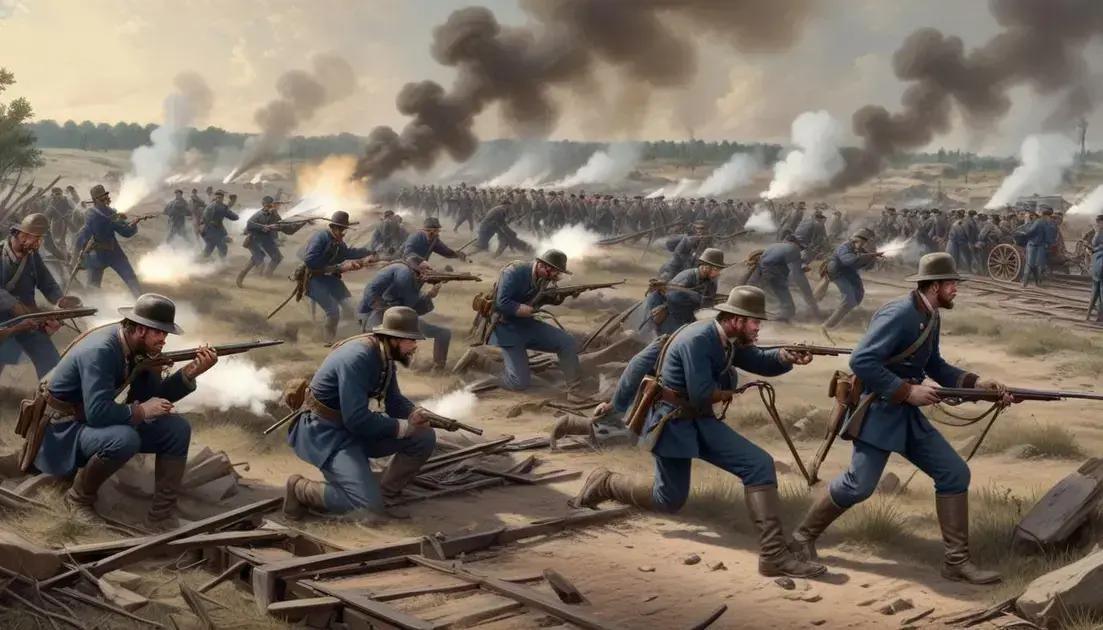
New rifles and artillery increased firepower. These advancements changed the way soldiers engaged in combat. With accurate weapons, the stakes were higher, and the effects of battles were more deadly.
All these technologies combined to make the Civil War the first modern conflict. Each innovation played a part in shaping military strategies that are still relevant today.
Telegraphs and Communication
Telegraphs had a huge impact during the Civil War. This technology changed how leaders communicated on the battlefield. Messages that used to take days now arrived in minutes.
Instant Communication
With the telegraph, generals could send orders quickly. They didn’t have to wait for messengers. This speed helped armies stay coordinated, even during chaos.
Changing Strategies
Fast communication allowed for better planning. Leaders could react to enemy movements without delay. This was crucial in battles where timing was everything.
Connecting Commanders
Telegraphs connected leaders in different locations. They could share updates and strategies. This connection created a more unified approach in military operations.
Overall, the telegraph made the Civil War a more dynamic conflict. It marked the beginning of modern military communication.
Railways and Logistics
Railways were vital during the Civil War. They changed how armies moved and supplied themselves. This transportation innovation made a big difference in battle outcomes.
Speeding Up Troop Movements
Railways allowed troops to travel quickly. Soldiers could reach the front lines much faster than before. This speed often caught the enemy off guard.
Efficient Supply Lines
Logistics improved greatly with railways. Supplies like food, weapons, and medical aid reached soldiers promptly. This support was crucial for maintaining morale and readiness.
Strategic Placement
Railroads also influenced military strategy. Commanders could plan operations based on accessible train routes. This made it easier to move resources where needed most.
Overall, railways transformed how the Civil War was fought. They played a key role in shaping military tactics that are still relevant today.
The Evolution of Weapons
The Civil War marked a turning point in weapon technology. This era saw significant changes that affected how battles were fought.
Advanced Firearms
Rifles were improved for better accuracy and range. Soldiers used rifles that loaded faster, allowing for quicker shots during engagements.
Minie Ball Innovation
The Minie ball was a key advancement. This conical bullet was more lethal than previous rounds. It caused greater injuries and increased the war’s overall toll.
Artillery Developments
Artillery also saw major upgrades. Cannons became more powerful and easier to maneuver. These improvements allowed for longer-range strikes and better impact on enemy forces.
These advancements changed the nature of warfare during the Civil War. The combination of new weapons led to more intense and deadly battles.
Conclusion
In conclusion, the Civil War was a crucial turning point in military history. Advances in technology, from the telegraph to modern weapons, changed how wars were fought. The use of railways and improved communication allowed for faster movements and better planning.
These innovations reshaped strategies and impacted outcomes on the battlefield. Each development brought lessons and marked the beginnings of modern warfare. Understanding these changes helps us recognize how technology continues to influence conflicts today.