How the Cold War invented modern robotics
The development of robotics, especially during the Cold War, has significantly changed both military and civilian life. Robots designed for warfare have transitioned into industries, improving efficiency and safety. Today, they perform tasks at home and in workplaces, making daily life easier. As technology progresses, robots will become even smarter through advancements in AI, raising new ethical considerations. The future of robotics promises increased collaboration between humans and machines, enhancing productivity and innovation while addressing potential job displacement and privacy issues.
Cold War innovations created a massive impact on modern robotics, merging military needs with everyday benefits. Are you curious how this transformative era forged the technology we rely on?
The Rise of Military Robotics
During the Cold War, militaries around the world began to see the potential of robots. They wanted machines that could help in dangerous situations. This led to the rise of military robotics, which changed warfare forever.
How Robots Were Used
Robots were first used for tasks that were too risky for humans. For example, drones were created to gather intelligence without putting soldiers in harm’s way. This technology helped military leaders make better decisions.
The Impact on Warfare
Military robotics changed the way wars were fought. With machines handling dangerous tasks, soldiers could focus on strategy and planning. This not only saved lives but also improved efficiency on the battlefield.
Transitioning to Peacetime
After the Cold War, many of these robots found new roles in peacetime. The technology developed for military use was adapted for industries. Factories began to use robotic arms for assembly lines, which increased production and safety.
Future of Military Robotics
Today, military robotics continue to evolve. New advancements in AI and machine learning are making robots smarter and more adaptable. This brings both excitement and concern about their future use.
The blend of technology and warfare has paved the way for innovations we see today. From saving lives in combat to enhancing manufacturing, the impact of military robotics is wide-reaching.
From Warfare to Industry
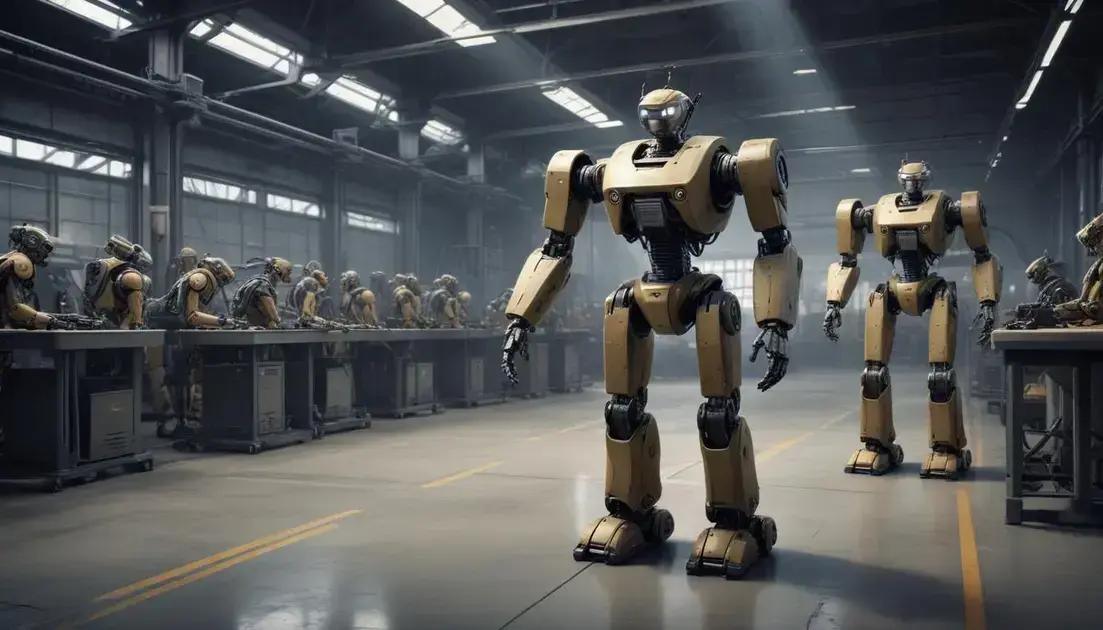
After the Cold War, technology developed for warfare found new life in industry. Many military robots were repurposed for civilian use. This transition changed how products were made and improved safety in many workplaces.
How Military Tech Became Industrial
Military robots were designed to perform specific tasks under pressure. When these robots entered factories, they could work faster and more accurately than humans in certain jobs. This made production lines more efficient.
Advantages of Using Robots in Factories
Using robots means fewer errors and less waste. They can also work around the clock, increasing output. Plus, robots can take on dangerous tasks, keeping workers safe.
Real-World Examples
Many companies now use robotic arms on assembly lines. These arms help put products together, paint surfaces, and pack boxes. This technology has reduced costs and improved quality.
The Shift to Automation
As robots became common in factories, automation grew. This trend means using machines for tasks once done by people. Automation can free up workers to focus on more complex jobs, enhancing creativity and innovation.
In sum, the journey from warfare to industry shows how technology can evolve. The advancements made for military purposes have led to safer and more efficient production methods today.
Impact on Everyday Life
The advancements in robotics have changed everyday life for many people. From household tasks to workplace efficiency, robots have become a part of our daily routines. They help us live safer and simpler lives.
Robots at Home
Many households now use robots to clean and organize. Vacuum robots clean floors without anyone lifting a finger. This frees up time for families to enjoy other activities.
Enhanced Workplace Productivity
In offices and factories, robots handle repetitive tasks. This allows human workers to focus on creative and complex projects. Workers can use their skills better, leading to more innovation.
Improving Safety
Robots also help keep people safe. Instead of sending humans into hazardous situations, robots can do the dangerous work. Whether it’s inspecting bridges or diffusing bombs, robots can reduce risks for everyone.
Future Innovations
As technology grows, we can expect even more changes. Smart homes with connected devices will become common. Imagine a future where everything from your fridge to your car functions seamlessly with robotics.
The impact of robotics on everyday life is undeniable. They improve our lives and challenge us to think about the future of technology.
The Future of Robotics
The future of robotics is bright and exciting. As technology advances, we can expect robots to play an even larger role in our lives. They will become smarter and more capable of handling complex tasks.
Advancements in AI
Artificial intelligence (AI) is key to the future of robotics. With better AI, robots can learn from their environment and adapt to changes. This makes them more effective in various situations.
Robots in Everyday Life
We may soon see robots doing chores, helping with elderly care, and even aiding in education. Imagine having a personal assistant robot at home that knows your schedule and preferences!
Collaborative Robots
Collaborative robots, or cobots, are designed to work alongside humans. They will enhance productivity in industries like manufacturing and healthcare. These robots can take on repetitive tasks, allowing humans to focus on high-skill jobs.
Ethical Considerations
As robotics grows, we need to consider ethics. Questions about job displacement, safety, and privacy must be addressed. Finding a balance between technology and human needs is crucial.
The future of robotics offers both opportunities and challenges. We should embrace the changes while being mindful of their impact on society.
Conclusion
In conclusion, the advancements in robotics have greatly impacted our lives, from improving safety to making tasks easier. As we look to the future, robots will play an even larger role in both our homes and workplaces. With smarter technology and better collaboration, we can expect these machines to enhance our daily experiences.
However, we also need to think about the challenges that come with these changes. Issues like job displacement and privacy are important to consider as we embrace new technologies. By balancing innovation with ethical concerns, we can ensure that robotics benefits everyone.
Ultimately, the future of robotics is full of promise. By understanding its potential and being mindful of its challenges, we can shape a world where humans and robots work together for a brighter tomorrow.