How the plague rewired European society
The plague led to significant changes in European society, drastically influencing labor practices, cultural norms, and social structures. As the workforce dwindled, remaining workers demanded better wages and conditions, weakening feudalism. This shift not only empowered peasants but also sparked a cultural renaissance, emphasizing art, education, and new ideas about individual rights. Ultimately, the long-term effects of the plague fostered a society characterized by greater equality and innovation, shaping modern Europe in profound ways.
The plague changed the course of European history in profound ways. It didn’t just bring death, but also sparked a transformation in society. Curious how? Let’s dive in!
Impact on Feudalism
The plague had a huge impact on feudalism in Europe. Before the pandemic, feudalism was the main system where lords owned land and peasants worked it. But when the plague struck, many people died.
This loss of life meant there were fewer workers to keep the land running. As a result, peasants began to demand more money for their work. They had the power now because there weren’t enough people to do the jobs.
Many lords needed laborers and could not refuse. Some peasants even left their lands to find better jobs elsewhere. This shift changed the balance of power in society.
People started to see that they could have a voice. They wanted better working conditions and pay, which was something new. This led to a decline in the feudal system.
Over time, these changes led to a rise in a more modern economy. Instead of just lords and peasants, there were tradespeople and workers with skills. This shift was a big step that moved Europe toward a more equal society.
Changes in Labor Practices
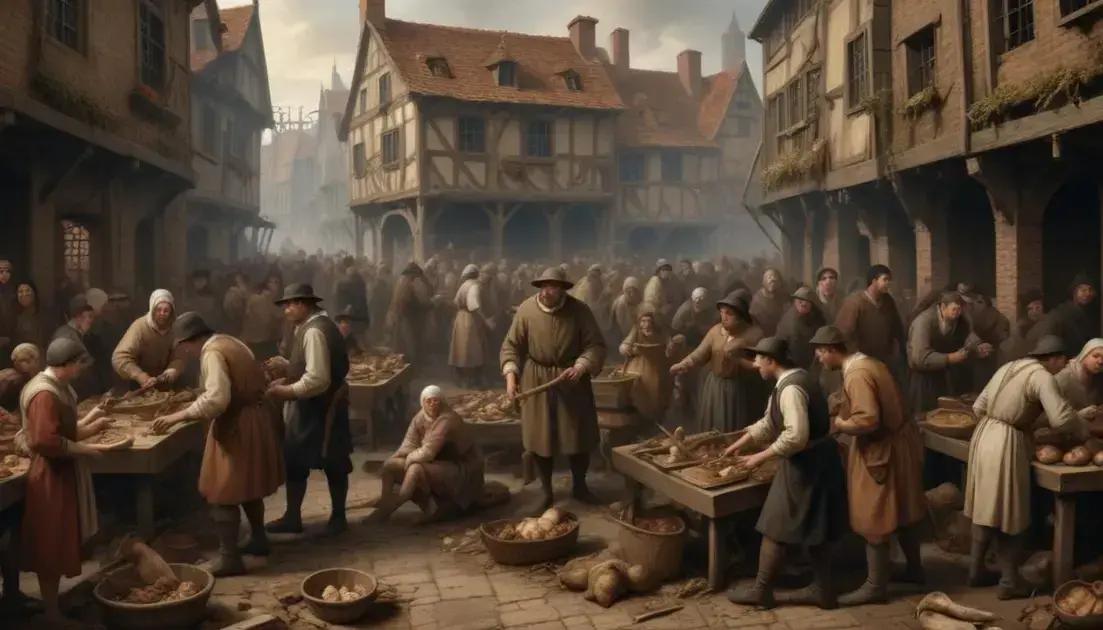
The plague caused major changes in labor practices throughout Europe. With so many workers lost, the remaining laborers gained more power.
People began to ask for higher wages and better working conditions. They were no longer willing to accept low pay. In some areas, farm workers could earn more just by moving to a different land.
This shift led to a new way of thinking about work. Instead of being stuck in the same role, workers started to see job opportunities everywhere. They felt empowered to seek better options.
Skilled workers were especially valued. Jobs in trades like blacksmithing and weaving became popular. Workers could negotiate terms that suited them better. This movement helped break the old bonds of feudalism.
As a result, workers began to form groups to stand together. They wanted fair treatment and decent wages. This was an early form of labor organization.
Over time, these changes in labor practices laid the groundwork for the modern workforce we see today. Workers became more respected and recognized for their skills and efforts.
Cultural Shifts
The plague triggered significant cultural shifts across Europe. As communities dealt with the loss, people began to seek meaning in their lives.
Art and literature changed dramatically. Artists and writers started to express feelings of sorrow and loss. Their works reflected the new understanding of life and death.
Many began to question traditional beliefs, including the power of the church. People looked for new ideas and different ways to live. This change helped spark the Renaissance.
Social interactions also transformed. Families and friends grew closer as they faced hardships together. People learned to appreciate what they had and the bonds they shared.
As the labor market shifted, cultural exchanges became more common. Different groups mixed more than ever. New customs and traditions began to emerge, enriching communities.
Food, clothing, and entertainment all saw new influences from various regions. This blending of cultures created a vibrant society full of new experiences.
Long-Term Societal Effects
The plague brought lasting societal effects that shaped Europe for years. One major change was the move away from feudalism. With fewer workers available, people looked for new ways to earn a living.
This shift led to the rise of a more free labor market. Workers felt empowered to choose jobs they liked. This freedom helped build a new structure in society.
People began to value personal rights more. As they gained more control over their lives, they wanted to be treated fairly. This desire for equality laid the groundwork for future movements.
Education also changed during this time. More people wanted to learn and improve their lives. Schools and universities began to grow, leading to higher literacy rates.
Culturally, the period after the plague sparked great innovation. The Renaissance flourished, changing art, science, and thought. New ideas about humanity and the world took center stage.
Overall, the pandemic changed how people lived, worked, and thought. These long-term effects influenced the course of history, shaping modern Europe.
Conclusion
In conclusion, the plague had a profound impact on European society. It changed labor practices, reshaped cultural norms, and transformed societal structures. These shifts helped lay the foundation for modern labor rights and a more diverse culture.
The effects of this period are still felt today. People learned the importance of fair treatment and personal rights. Education became more valued, leading to increased literacy and innovation.
Overall, the legacy of this era demonstrates how adversity can lead to significant change. By reflecting on these historical lessons, we can better understand today’s society and the ongoing quest for equality and progress.