How the Red Cross became a symbol of American heroism
The Red Cross is a vital humanitarian organization that provides disaster relief, health services, and support to communities in need. Its key missions include responding to natural disasters, offering medical assistance, and educating the public about emergency preparedness. Throughout its history, the Red Cross has faced challenges such as funding issues and adapting to technological advances. Looking ahead, the organization is poised to enhance its efforts through community engagement, partnerships, and innovative solutions to address growing humanitarian needs driven by climate change and global crises.
Red Cross has become a symbol of American heroism, embodying bravery and selflessness in the face of adversity. But what led to this iconic status?
The origins of the Red Cross
The origins of the Red Cross date back to 1863 in Geneva, Switzerland. A man named Henry Dunant proposed the idea of assisting wounded soldiers during wars. He saw the suffering of soldiers in battle and wanted to change that. Together with some like-minded individuals, he founded the International Committee of the Red Cross (ICRC).
The First Geneva Convention
In 1864, the first Geneva Convention was held. This important meeting aimed to ensure better treatment for the wounded. The convention led to the creation of the Red Cross emblem, which represents protection and neutrality. This symbol has become a sign of hope and care during conflicts.
Spreading the Message
The idea of the Red Cross quickly spread. Other countries saw the need for similar organizations. They realized that helping others in times of crisis was crucial. Soon, national Red Cross societies were established worldwide, each following the principles set by the ICRC.
Fast Forward to Today
Today, the Red Cross helps millions. They provide disaster relief, medical support, and humanitarian aid in conflict zones. Their work has evolved but remains true to Henry Dunant’s vision. They are a global symbol of compassion and care.
Key missions and achievements
The Red Cross has undertaken many important missions since its founding. Its main goal is to help those in need, especially during crises. They provide medical care, food, and shelter to victims of disasters and wars.
Disaster Relief
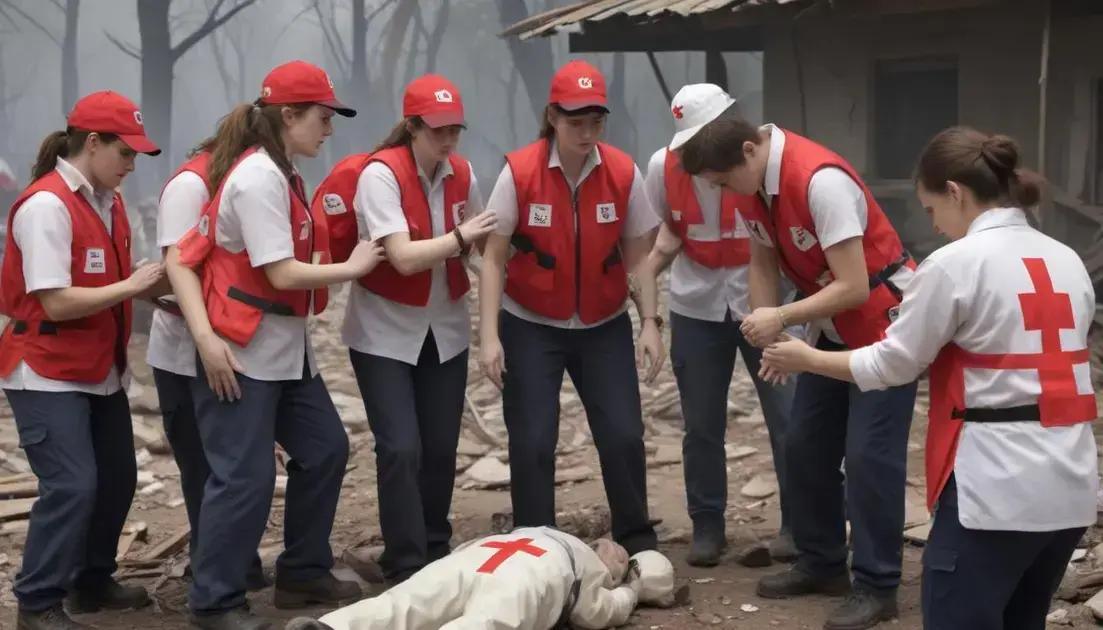
One of the key missions of the Red Cross is disaster relief. Whenever a natural disaster strikes, volunteer teams quickly respond. They help people recover from events like hurricanes, floods, and earthquakes. Their goal is to ensure that victims get the support they need right away.
Health Services
The Red Cross also plays a vital role in health services. They run blood drives to collect donations. This blood is essential for surgeries and emergency care. Their health programs include first aid training, CPR courses, and mental health support.
Humanitarian Aid in Conflict Zones
In war zones, the Red Cross provides humanitarian aid. They work to ensure that people have access to food, water, and medical assistance. By negotiating access to these areas, they help save lives amidst violence.
Global Initiatives
Beyond emergencies, the Red Cross promotes global initiatives. They focus on education about health and safety. Programs teach communities how to prepare for emergencies and respond effectively. This proactive approach helps reduce suffering.
Achievements Over the Years
The Red Cross has made impressive achievements. They have reached millions worldwide, helping them recover from disasters and providing ongoing support. Their committed volunteers and donors make this work possible.
Impact on American society
The Red Cross has had a huge impact on American society. Over the years, it has changed how people respond to emergencies. Its work has brought communities closer together during tough times.
Promoting Volunteerism
One significant impact is promoting volunteerism. Many Americans rally to help when disasters strike. They join the Red Cross, getting involved in their local communities. This spirit of giving back creates stronger bonds among neighbors.
Educational Programs
The Red Cross also runs educational programs. They teach lifesaving skills like first aid and CPR. These classes prepare everyday people to act swiftly in emergencies. Knowledge of these skills can save lives and improve community safety.
Disaster Preparedness
Through its initiatives, the Red Cross raises awareness about disaster preparedness. They educate families on how to prepare for natural disasters. This guidance helps reduce panic and confusion when emergencies happen.
Health and Wellness Contributions
In addition to disaster response, the Red Cross contributes to health and wellness. They provide blood donations that support hospitals. This vital service is essential for surgeries and trauma care.
Building a Culture of Compassion
Ultimately, the Red Cross has built a culture of compassion in the U.S. Their work inspires others to lend a helping hand. By fostering this mindset, they have become a symbol of hope and humanity.
Challenges faced over the years
The Red Cross has faced many challenges over the years. These obstacles have tested its ability to help those in need. Despite the difficulties, the organization has shown resilience.
Funding Issues
One major challenge is funding. The Red Cross relies on donations to operate. When disasters strike, they often experience a spike in donations. But during calm periods, funding can be scarce. This inconsistency makes planning difficult.
Volunteer Recruitment
Another challenge is recruiting and retaining volunteers. Many people want to help, but time constraints can be an issue. The Red Cross continually seeks new volunteers to strengthen its efforts. They ensure that volunteers are trained and prepared for different situations.
Adapting to Technology
As technology evolves, the Red Cross faces challenges in adapting. New tools can enhance efficiency, but training is necessary. Staff and volunteers must learn to use these technologies effectively.
Global Emergencies
The increasing number of global emergencies is another hurdle. Conflict and climate change lead to more natural disasters and humanitarian crises. The Red Cross must respond quickly and often to several emergencies at once.
Public Perception
Finally, public perception can be a challenge. Some people may not understand the mission fully. Educating the public about their work helps bridge this gap. The organization needs to maintain trust to encourage support.
Future of humanitarian efforts
The future of humanitarian efforts looks promising yet challenging. The Red Cross is at the forefront of this change. Technology and community engagement will play big roles ahead.
Embracing Technology
Technology will help improve response times. Drones can deliver supplies to hard-to-reach areas. Data analytics can predict disasters, allowing earlier interventions. The Red Cross is keen to adopt these innovations.
Focus on Climate Change
Climate change is reshaping humanitarian needs. More people will require assistance as natural disasters increase. The Red Cross must adapt by focusing on resilience and preparedness. Training communities on how to respond is crucial.
Strengthening Partnerships
Strong partnerships will be essential. The Red Cross will continue to collaborate with governments, NGOs, and local organizations. Working together improves efficiency and expands resources available during crises.
Community Engagement
Community engagement is key for success. By involving locals in planning, the Red Cross can create solutions that work. These solutions meet specific community needs, making help more effective.
Enhancing Volunteer Programs
Volunteers will remain the backbone of humanitarian efforts. The Red Cross plans to enhance training programs. This will ensure volunteers are well-prepared for diverse challenges.
Conclusion
In conclusion, the Red Cross has made a lasting impact on humanitarian efforts. By adapting to challenges and embracing new technologies, they can better serve communities in need. The focus on education, community engagement, and strong partnerships will drive future success.
As climate change increases the demand for help, organizations like the Red Cross play a crucial role. Their commitment to innovation and volunteer support ensures they will be ready for whatever comes next. Supporting the Red Cross means supporting a future where everyone can receive help when they need it most.