How the U.S. military created GPS for the world
GPS technology has evolved significantly from its military origins to become essential in everyday life. It enhances navigation in various sectors, including transportation and emergency services, improving accuracy and reliability. Recent advancements, such as the integration of multi-constellation systems and enhanced signals, allow for precise tracking even in challenging environments. As the future of GPS looks promising with innovations like self-driving cars and outdoor applications, understanding its developments is crucial for users who rely on this technology.
GPS has become an essential part of our daily lives, but did you know its origins are rooted in military needs? This fascinating journey reveals how a tool designed for warfare turned into a navigation cornerstone for humanity. Curious about the details? Let’s dive in!
Introduction to GPS technology and its military origins
GPS technology started as a military tool. The U.S. Department of Defense created it for accurate navigation. They needed a reliable way to guide troops and equipment during missions. Before GPS, navigation was often tricky and relied on maps and compasses.
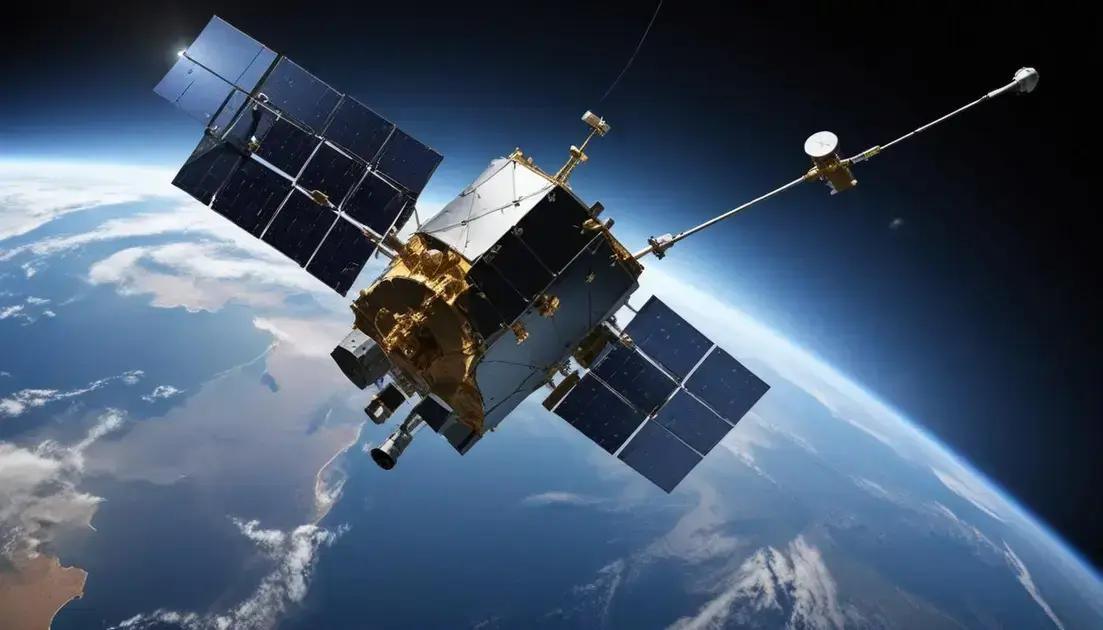
The first GPS satellites were launched in the 1970s. These satellites orbit Earth and send signals to GPS receivers. This makes it possible to determine exact locations anywhere on the planet. Today, GPS is not only for military use, but also for civilian navigation.
Civilians have benefited a lot from GPS. It helps in various sectors like transportation, aviation, and shipping. Imagine driving a car without GPS! It would be much more challenging to find your way around.
GPS has also improved accuracy for civilians. With the right device, you can get directions, track fitness activities, and even manage deliveries in real time. The technology has come a long way since its military beginnings.
The evolution of GPS and its societal impact
The evolution of GPS has changed how we live and move. Originally, it was just for military use. But over time, it became available for everyone. Now, GPS is an essential part of daily life.
With GPS, getting directions is easy. You can find a new restaurant, navigate traffic, or explore a city. Your smartphone guides you step by step. This has made traveling less stressful and more enjoyable.
GPS has also impacted industries. For example, delivery services use it to track packages. They can tell you exactly when to expect your delivery. This level of transparency builds trust with customers.
Transportation companies benefit as well. Fleet management relies on GPS to optimize routes. This leads to fuel savings and less time on the road. It helps reduce traffic congestion and lowers pollution.
Beyond navigation, GPS is vital for emergency services. Police, fire crews, and ambulances can locate incidents quickly. This can save lives when every second counts.
Overall, the societal impact of GPS is huge. It connects people and improves services. As technology advances, we can expect even more benefits from this amazing tool.
How GPS transformed various sectors: from military to civilian
GPS has greatly transformed many sectors, moving from military use to everyday life. In the beginning, it was mainly a tool for the military. They used GPS for navigation and targeting during operations. It provided accuracy and reliability that traditional methods couldn’t match.
As technology developed, GPS became available for civilian use. This change opened up many possibilities. Today, you can find GPS in cars, smartphones, and even wearable devices. It’s now a part of how we live and work.
In transportation, GPS helps drivers avoid traffic jams. Apps like Google Maps and Waze offer real-time updates. They show the fastest routes and nearby hazards. This saves time and makes trips more enjoyable.
The delivery industry also relies on GPS. Companies track packages from start to finish. You can see when your order is coming, which builds trust. It’s changed how deliveries are made.
Other sectors, like agriculture, have seen benefits too. Farmers use GPS for precision farming. That means they can plant and fertilize crops more efficiently, leading to better yields.
Even emergency services use GPS technology. It helps them reach people in need faster. This technology saves lives every day by ensuring quick responses during urgent situations.
From military roots to civilian applications, GPS has transformed how we navigate our world. It’s hard to imagine life without this amazing technology.
Current advancements and future of GPS technology
GPS technology is always improving. Recent advancements make it more accurate and useful. One big change is the use of multi-constellation systems. This means using signals from satellites outside the traditional GPS network. By doing this, users can get better location data.
Another important advancement is enhancing the signals. New signals make GPS work better in tough environments. For example, it now performs well in cities with tall buildings or dense trees. This can help people find their way more easily.
Smartphones are getting smarter, too. They now combine GPS with other technologies like Wi-Fi and mobile networks. This allows for quicker and more precise location tracking. You’re less likely to get lost while trying to navigate unfamiliar areas.
Looking ahead, the future of GPS is bright. Self-driving cars will rely heavily on GPS. They need accurate positioning to drive safely and avoid obstacles. This technology will change how we travel in the coming years.
There’s also growing interest in using GPS for outdoor activities. Hiking, biking, and even sports can benefit from advanced location services. Imagine having real-time data on trail conditions or weather updates!
In summary, GPS is evolving rapidly. These advancements open up new possibilities for everyday users and industries alike. Staying updated with these changes can help us take full advantage of GPS technology.
Conclusion
In conclusion, GPS technology has come a long way from its military roots. It now plays a crucial role in our daily lives, helping us navigate with ease. With advancements in accuracy and the integration of new technologies, GPS continues to transform various sectors.
From improving transportation to enhancing emergency services, its impact is significant. And as we look to the future, we can expect even more innovative uses, including self-driving cars and real-time data for outdoor activities.
Staying informed about these developments can help us make the most of GPS technology. Embracing these changes not only simplifies our lives but also opens up exciting possibilities for all users.