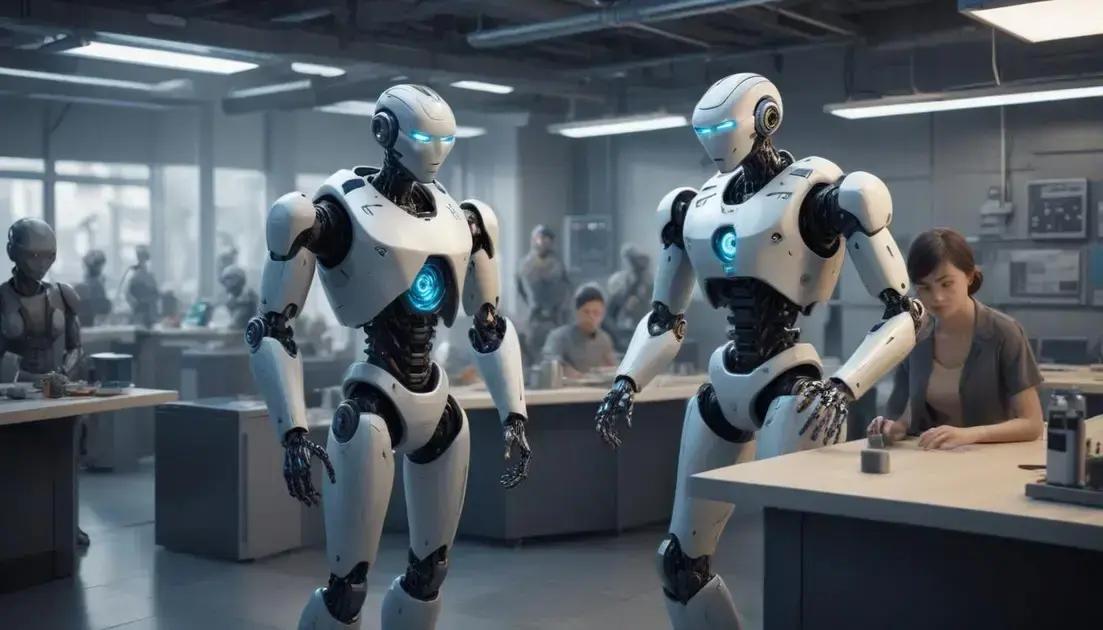
How U.S. robotics paved the way for AI
The integration of robotics and AI is transforming industries by automating tasks, collecting vital data, and enhancing efficiency. With advanced learning capabilities, robots can adapt to new situations, improving their performance over time. This technological partnership supports various sectors, from healthcare to manufacturing, revolutionizing how we work and interact. As these technologies evolve, they provide exciting opportunities for innovation and better solutions in everyday life.
Robotics has significantly shaped the journey of artificial intelligence, leading to advances we never thought possible. Curious about how? Dive in!
Introduction to Robotics
Robotics is an exciting field that blends technology with engineering. It involves creating machines that can work autonomously or with minimal human intervention. These machines, known as robots, can perform tasks like assembling products, exploring space, or even assisting in hospitals.
What Are Robots?
Robots come in many shapes and sizes. They can be as simple as a robotic vacuum that cleans your home, or as complex as robotic arms used in factories to build cars. Most robots use sensors to gather information about their surroundings. This helps them to navigate and complete their tasks.
The Role of Robotics in Everyday Life
In our daily lives, robotics plays a key role. We see robots in manufacturing, healthcare, and even at home. They help improve efficiency and safety. For example, robots can handle hazardous materials in factories, reducing the risk to human workers.
The Future of Robotics
The future looks bright for robotics. As technology advances, robots will become even smarter and more adaptable. They could revolutionize industries by increasing productivity and creating new opportunities. Imagine a world where robots can assist with daily chores or join us in our workplaces!
History of Robotics in the U.S.
The history of robotics in the U.S. is fascinating and full of innovations. It began in the early 20th century with simple machines. These machines were designed to assist humans with repetitive tasks.
The Early Years
In the 1950s, George Devol invented the first industrial robot, named Unimate. This robot worked on an assembly line, moving heavy parts. It changed the way factories operated, boosting efficiency.
Growth in the 1970s and 1980s
As technology advanced, robotics grew rapidly. In the 1970s, more companies began using robots in factories. They became popular for their ability to work faster and with greater accuracy.
Modern Robotics
In recent years, robotics has expanded beyond manufacturing. Today, robots can be found in healthcare, agriculture, and even homes. They assist in surgeries, help with planting, and clean our houses.
Ongoing Innovations
The U.S. continues to lead in robotics innovation. Research institutions and companies are constantly developing smarter robots. These advancements promise to shape the future of numerous industries.
Impact of Robotics on AI Development
The impact of robotics on AI development is huge. Robots can collect data and perform tasks that help improve AI systems. They work together to solve complex problems.
Data Collection
One major role of robots is data collection. They can gather information from the real world, which AI needs to learn. For example, robotic sensors can track movements, enabling better decision-making.
Task Automation
Robots help automate tasks, reducing human effort. This frees up time for scientists and engineers. They can focus on designing smarter algorithms and improving AI’s capabilities.
Learning from Experience
Robots can learn through trial and error. When they encounter new situations, they adapt. This learning process provides valuable feedback to AI systems, making them smarter over time.
Collaboration Between Fields
The partnership of robotics and AI is growing. As each field advances, they support one another. Innovations in robotics often lead to breakthroughs in AI and vice versa.
Future of Robotics and AI
The future of robotics and AI looks very promising. As technology advances, we can expect smarter robots and more capable AI systems. These tools will change how we live and work.
Integration Across Industries
Robots and AI will be increasingly integrated into various industries. From healthcare to agriculture, they’ll play vital roles. For instance, robots might assist doctors in surgeries, making these procedures safer and faster.
Enhanced Human-Robot Collaboration
Collaboration between humans and robots will improve. Robots will handle repetitive tasks, while people focus on creative problem-solving. This partnership could lead to improved productivity in many workplaces.
Continued Learning and Adaptation
Future robots will learn from their experiences. With advanced AI, they will adapt to new environments and tasks. This means robots will get better at understanding our needs over time.
Focus on Ethics and Safety
As robotics and AI grow, ethical and safety concerns will need to be addressed. It’s important to ensure these technologies are used responsibly. Researchers and developers will work together to create safe, beneficial robots.
Conclusion
Robotics and AI are changing our world in incredible ways. They make tasks easier and help us work more efficiently. As they continue to evolve, their impact will be even greater.
The Journey Ahead
We’re just beginning to understand how these technologies will shape our future. New advancements will provide exciting opportunities and challenges.
Stay Informed and Adaptable
It’s important to stay informed about trends in robotics and AI. Being adaptable will help us make the most of these changes.
Embrace the Possibilities
With an open mind, we can embrace the possibilities robotics and AI offer. This journey will lead us to new ways of thinking and improved solutions.
Conclusion
In conclusion, the fusion of robotics and AI is reshaping our future in exciting ways. These technologies streamline processes and enhance productivity across various industries. As we move forward, staying informed about advancements in this field is crucial.
Embracing robotics and AI can unlock new opportunities for innovation and growth. These tools help us solve complex problems and make our everyday lives easier. By working together with these fantastic technologies, we can create a brighter and more efficient future for everyone.