How Western TV helped bring down the Berlin Wall
The Berlin Wall’s fall in 1989 marked a crucial moment that signified the collapse of communism in Eastern Europe. Televised broadcasts from the West greatly influenced the desire for freedom among citizens in East Germany and beyond. As people witnessed Western life and freedoms, they began to demand change. This shift paved the way for reunification in Germany and inspired movements for democracy across the region, highlighting the powerful role of media in shaping historical events.
Berlin Wall played a pivotal role in shaping our world today. While it symbolized division, it also sparked a desperate appetite for freedom that came through the screens in our homes. Curious about how the medium of television influenced events? Let’s dive in!
The Role of Television in the Cold War
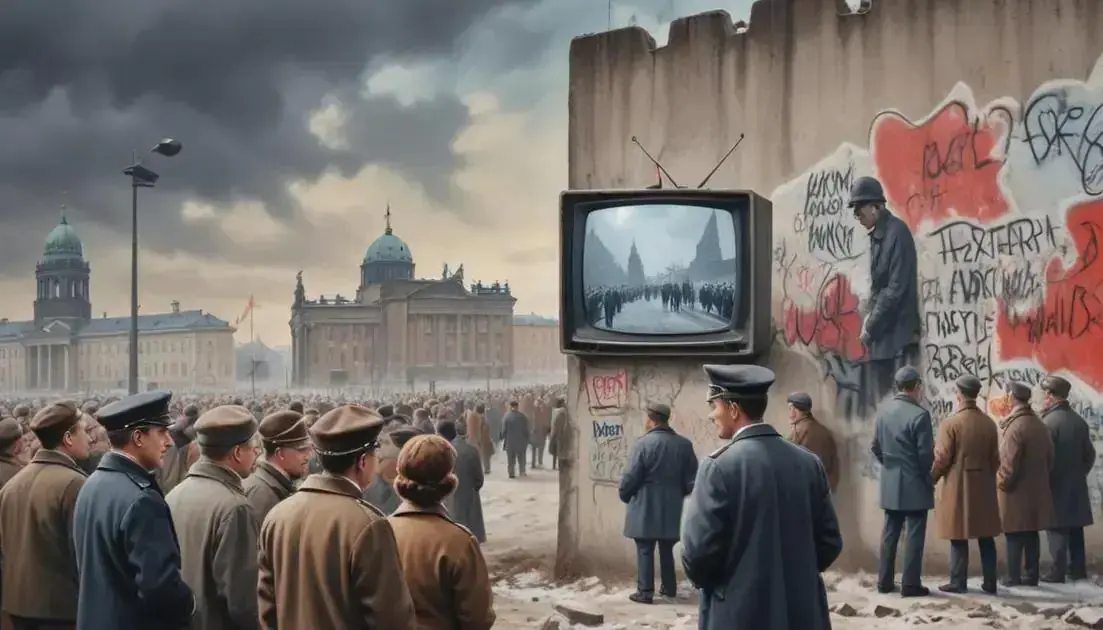
The Role of Television in the Cold War was significant and far-reaching. Television changed how people received information. It brought news into living rooms and made distant events feel immediate. For those living under oppressive regimes, this was important.
During the Cold War, Western nations broadcast programs directly into Eastern Europe. These broadcasts provided glimpses of freedom and hopes. People watched news of protests and celebrations that the government wanted to hide.
Television also showcased stories of life in the West. Viewers saw the differences between their lives and the lives of people in democracies. This sparked desires for change and freedom.
The media played a role in shaping public opinion. It helped citizens learn about their rights and question authority. Many families gathered around their TVs, experiencing events together.
Documentaries and news reports significantly influenced people’s views on freedom. These programs often highlighted stories of triumph over oppression. They made the idea of freedom tangible for many who felt trapped.
This impact can’t be overstated. Television was not just entertainment; it was a lifeline for those yearning for freedom. It educated viewers and inspired movements for change.
Major Events Leading to the Fall
Major Events Leading to the Fall of the Berlin Wall were crucial in shaping history. Throughout the 1980s, several key moments sparked change. These events showed people’s yearning for freedom.
In 1987, President Ronald Reagan made a powerful speech. He famously said, “Mr. Gorbachev, tear down this wall!” His words resonated with many. They highlighted the wall’s symbolism of oppression.
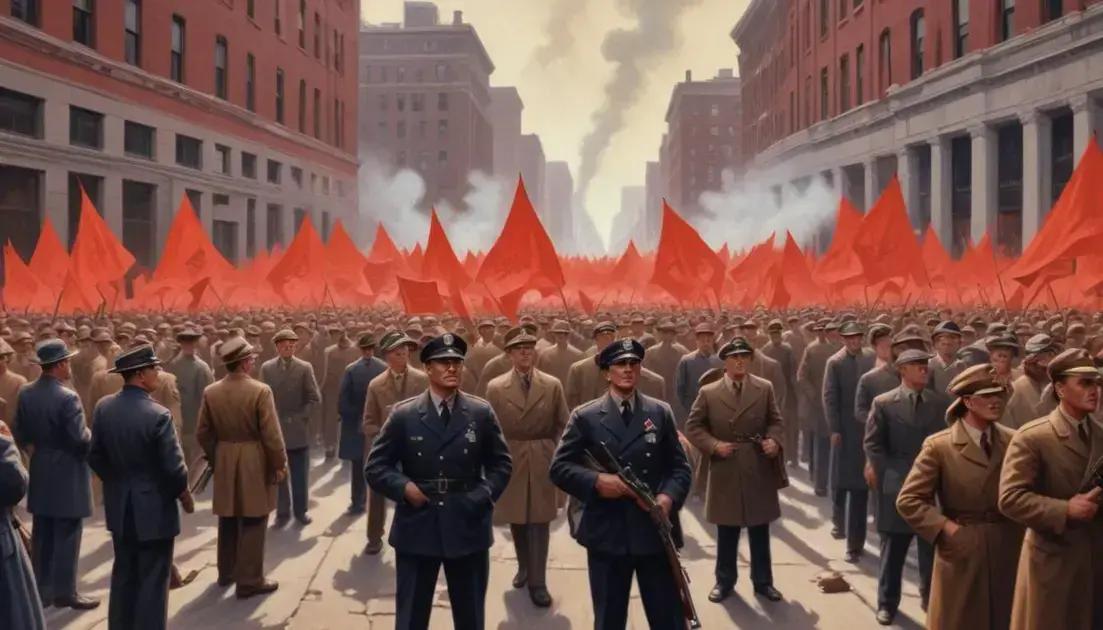
In 1989, protests began to grow in East Germany. Citizens openly voiced their discontent. They demanded more rights and freedoms. These protests inspired others across Eastern Europe.
By September 1989, thousands gathered in the streets. The movement gained momentum. People realized they could unite for a common goal.
The Hungarian government started allowing East Germans to leave. This action sparked a mass exodus. Many people took this chance to escape, further shaking the foundation of East German authority.
As the fall of communism spread across Eastern Europe, tensions rose. The East German government struggled to maintain control. Citizens grew bolder in their demands for change.
Finally, on November 9, 1989, chaos erupted. The government announced that citizens could cross the wall. Jubilant crowds surged forward, and the wall fell. This moment marked a turning point in history, symbolizing freedom.
Personal Stories from Behind the Iron Curtain
Personal Stories from Behind the Iron Curtain highlight the struggle for freedom. Many brave individuals faced hardship daily. Their experiences reveal the human side of history.
One story often shared is about a woman named Anna. She lived in East Berlin and dreamed of freedom. Every night, she watched Western television. It inspired her to hope for a better life.
Another story is of a young man, Peter, who tried to escape. He risked everything to cross the border to West Germany. Peter’s journey was dangerous and filled with fear. But he longed for freedom.
Many people gathered in secret to discuss their dreams for change. They knew they were taking risks, but it was worth it. They shared stories, songs, and laughter, finding strength in each other.
These personal experiences became a spark of hope. As they expressed their desires, they inspired others. The stories spread, showing resistance against oppression.
Television played a role in bringing these stories to light. The accounts of everyday people resonated beyond borders. This connection encouraged solidarity among those who longed for change.
These tales matter because they remind us of the value of freedom. They show that even in dark times, hope can shine through. Personal stories connect us and inspire future generations.
Impact of Western Media on Eastern Europe
Impact of Western Media on Eastern Europe was profound during the Cold War. It opened doors to new ideas and perspectives. Western media challenged the narratives pushed by communist governments.
Television programs and news reports showed life in the West. Viewers in Eastern Europe saw freedoms they lacked. This led many to question their own situations and seek change.
Western movies and music also played a role. They highlighted themes of freedom and self-expression. These cultural products inspired hope and ambition in many people.
As more people tuned in, they began to organize. They talked about what they saw on TV and how to make it a reality. This connection to the outside world motivated citizens to push for reform.
The influence of Western media was not just about news. It stirred a desire for personal freedoms and human rights. Eastern Europeans wanted a say in their own lives.
In many cases, this impact was risky. People faced punishment for discussing Western influences. Yet, the desire for change was stronger than fear.
Overall, Western media played a critical role. It formed connections between people across the Iron Curtain. This led to a greater desire for freedom and reform, eventually becoming a catalyst for change.
The Aftermath of the Berlin Wall’s Fall
The Aftermath of the Berlin Wall’s Fall was a turning point in history. The wall’s collapse marked the end of an era for both East and West Germany. People celebrated their newfound freedom and unity.
Many East Germans traveled to the West for the first time. They embraced opportunities that were once denied to them. This freedom brought joy but also confusion.
In the years following the fall, Germany underwent major changes. The reunification process was complex and challenging. Economies in the East needed reform. Infrastructure required rebuilding and investments.
As people adjusted, tensions sometimes surfaced. Cultural differences between East and West became apparent. These challenges highlighted the need for understanding and communication.
Politically, the fall of the wall influenced other countries. It inspired movements across Eastern Europe. Countries began to seek freedom and democracy, ending decades of oppression.
Internationally, the fall marked a significant shift in global politics. The Cold War’s end raised hopes for peace. Many believed that unity could replace division.
However, the aftermath also came with its difficulties. Some East Germans felt left behind in the rapid changes. Job losses and economic disparities led to unrest.
Overall, the fall of the Berlin Wall signified more than just freedom. It symbolized the resilience of those who dared to dream. Their struggles continue to inspire generations.
Conclusion
In conclusion, the fall of the Berlin Wall was a momentous event that changed the course of history. It symbolized the end of oppression and sparked a desire for freedom across Eastern Europe. The stories of bravery and hope remind us of the importance of unity and resilience.
As the world watched, people stepped into a new era filled with possibilities. The aftermath brought challenges, but also opportunities for growth and change. Today, we continue to learn from this pivotal moment.
By understanding the past, we can appreciate the value of freedom and the strength of community. The spirit of those who fought for their rights inspires us to seek understanding and connection in our own lives.