Human Rights: The Moral Legacy of the Cold War
The Cold War significantly shaped today’s human rights movements, leading to stronger advocacy and the creation of vital legal frameworks such as the Universal Declaration of Human Rights. While activists today face challenges like governmental pushback, funding shortages, and awareness issues, they continue to fight for justice and equality globally. Grassroots efforts have gained momentum, aided by technology and social media, allowing for greater visibility and support for human rights issues. The commitment to protecting these rights remains a crucial part of ongoing global conversations.
The concept of Human Rights has been profoundly shaped by the events of the Cold War. This article delves into how ideological battles influenced humanitarian standards globally.
The Ideological Battle: Cold War Context
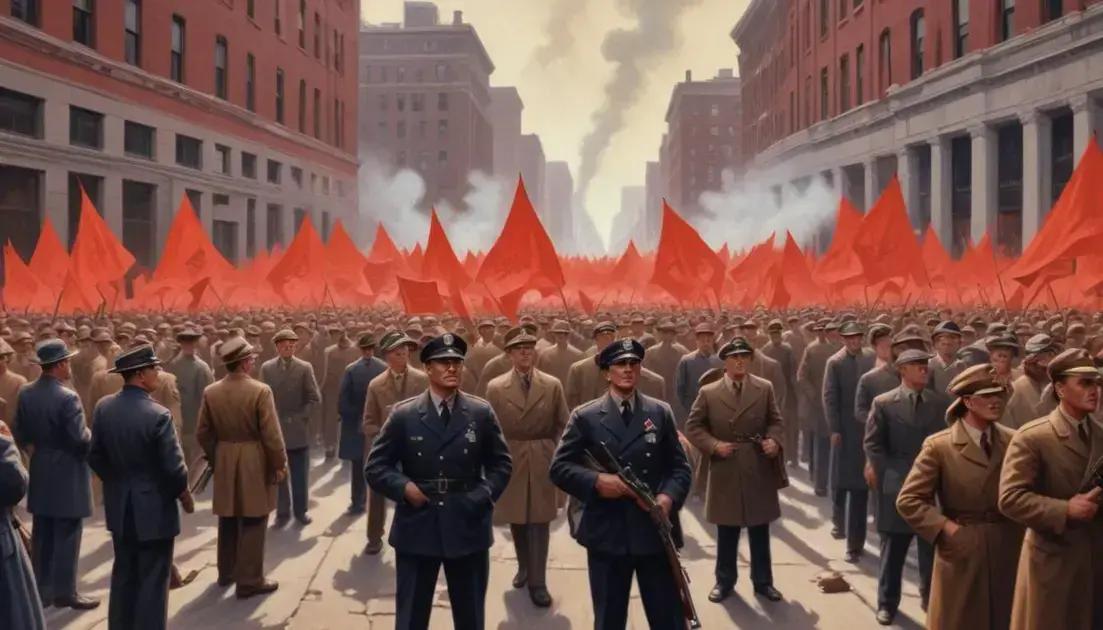
The Cold War was a time of big changes in the world. It started after World War II and lasted for about 40 years. The main players were the United States and the Soviet Union. They had very different ideas about how a country should be run. This difference led to a fight not with guns, but with ideas.
The Battle of Ideas
In this period, each side wanted to prove their way was better. The U.S. believed in democracy and capitalism. They thought that freedom and choice were the best ways for people to live. On the other side, the Soviet Union promoted communism. They believed in a system where the state controlled resources and wealth.
Human Rights in Focus
During the Cold War, **human rights** became a key topic. Both sides used it to their advantage. The U.S. called out the Soviet Union for its poor human rights record. Meanwhile, the Soviets accused the U.S. of failing its own people. This back-and-forth highlighted the importance of rights in the global conversation.
The Role of Global Organizations
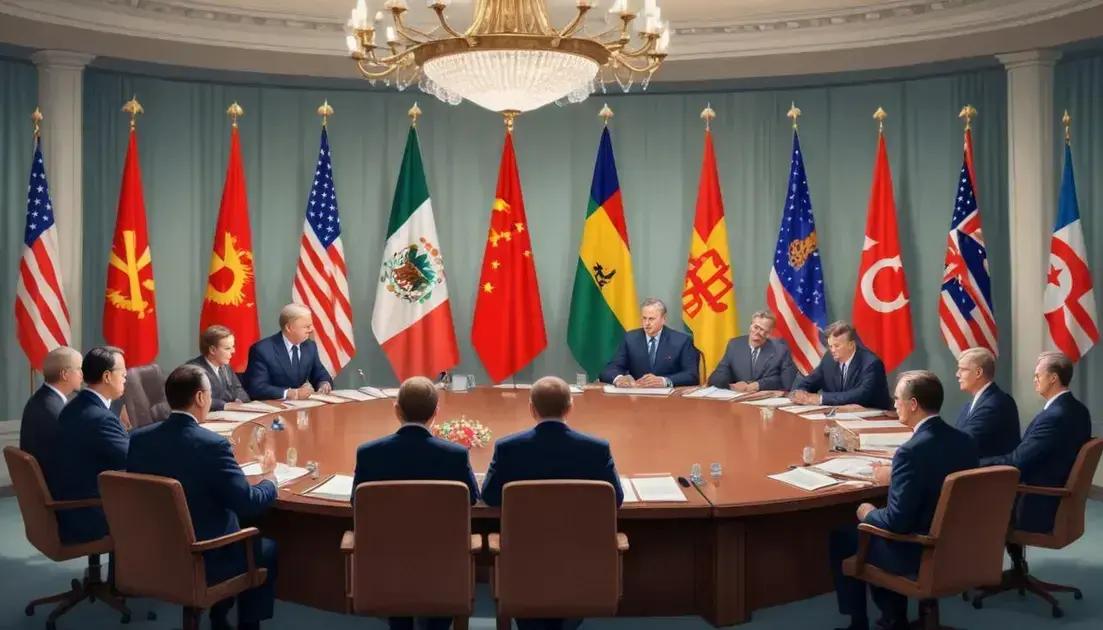
Global organizations, like the United Nations, tried to promote peace and dialogue. They created human rights documents to set standards for all nations. These efforts aimed to protect people, regardless of where they lived. The Universal Declaration of Human Rights, adopted in 1948, is an example of this effort.
As the Cold War progressed, more nations joined the human rights movement. They started advocating for basic freedoms and protections. This push helped shape a more connected world, where people’s rights became a central concern.
The Birth of Human Rights Frameworks
The birth of human rights frameworks came during a time of great need. After World War II, the world faced immense suffering. Many people wanted a better future, one where everyone had basic rights. This desire led to the creation of important documents.
The Universal Declaration of Human Rights
In 1948, the United Nations adopted the Universal Declaration of Human Rights. This document declared that all people are born free and equal. It set out rights like freedom of speech and the right to education. These were now recognized as basic human rights.
Global Influence
The impact of this declaration stretched far and wide. Countries all over the world looked to it for guidance. It influenced many national laws and helped shape new policies. Governments started to think about how to protect their citizens.
Human Rights Treaties
After the Declaration, more treaties followed. For example, the International Covenant on Civil and Political Rights was established. This treaty set rules for treating people fairly. It aimed to ensure that governments respected individual freedoms.
These frameworks created a common understanding of human rights. They made it possible for people to stand up for their rights. When rights were violated, they had documents to refer to, highlighting the importance of their grievances.
Legacies of the Cold War in Today’s Human Rights
The legacies of the Cold War still affect human rights today. Many countries continue to feel the impact of this long struggle. It shaped laws and movements that promote human rights around the world.
Stronger Human Rights Advocacy
During the Cold War, activists fought hard for rights. They raised awareness about issues like censorship and unfair trials. This activism laid the groundwork for today’s human rights organizations. Many groups focus on protecting freedoms and ensuring justice.
International Treaties and Agreements
The Cold War also led to important international agreements. Treaties were formed to protect people from abuse. These documents help nations commit to respecting human rights. They serve as a reminder of the fights that came before.
Continued Challenges
However, challenges remain. Some countries still struggle with basic rights. Issues like inequality and discrimination are ongoing problems. The Cold War’s legacy reminds us that the fight for rights continues.
Today, people can draw inspiration from past struggles. They see how ordinary individuals pushed for change. This energy fosters new movements and inspires younger generations to act.
Global Humanitarian Movements Post-Cold War
Post-Cold War, global humanitarian movements grew rapidly. This period saw a rise in awareness for human rights issues. People around the world began to understand their rights better.
Increased Global Collaboration
Countries came together to tackle human rights challenges. Organizations like the United Nations gained more support. They worked to ensure that human rights protections were respected everywhere.
Grassroots Movements
Grassroots movements also gained strength. Citizens organized protests and initiatives to fight for their rights. These movements showed the power of community action. They brought attention to issues like poverty, inequality, and discrimination.
Role of Technology
Technology played a key role in these movements. Social media helped spread information quickly. Activists could mobilize supporters and raise awareness easily. This change opened doors for new voices in the conversation.
The dedication of activists and organizations has made a big difference. Many laws have changed to better protect people. Humanitarian movements now include a more diverse range of topics, from climate justice to women’s rights.
Challenges in Human Rights Advocacy
Challenges in human rights advocacy are many and significant. Activists often face tough situations when fighting for rights. They deal with resistance from governments and organizations.
Governmental Pushback
In some countries, speaking out can bring dangerous consequences. Activists might be jailed or persecuted for their efforts. This makes it hard to gather support and spread awareness about issues.
Funding and Resources
Another challenge is funding. Many grassroots organizations rely on donations. When financial support is low, it limits their ability to operate effectively. This affects outreach and advocacy work.
Public Awareness and Engagement
Raising public awareness is crucial but tough. Many people may not understand human rights issues. Additionally, they may feel helpless to make a change. Advocacy groups often work hard to educate and engage the public.
Finally, technology has both pros and cons. While it helps in spreading information, it also poses risks. Human rights defenders can face online harassment and threats. Despite these challenges, the spirit of advocacy persists. Activists continue to fight for justice and equality every day.
Conclusion
In conclusion, the journey of human rights advocacy is filled with both challenges and triumphs. Activists continue to fight for everyone’s rights, even when facing tough opposition. Their determination shows how important it is to stand up for justice and equality.
While there are hurdles like governmental pushback, funding issues, and raising awareness, the spirit of advocacy remains strong. Each effort, no matter how small, contributes to a brighter future. By supporting human rights, we can help make a difference in our communities and around the world. Together, we can create a more just and fair society for all people.
Tags: