Hunga Tonga 2022: Volcanic Explosion and Global Tsunamis
The Hunga Tonga eruption of January 15, 2022, was a significant volcanic event that triggered global tsunamis and climate effects. The eruption demonstrated the need for improved volcano monitoring and early warning systems. Communities near volcanoes must establish clear evacuation plans, while international cooperation is essential for effective disaster response. The lessons learned from this eruption can enhance preparedness for future natural disasters, protecting lives and helping communities recover from such events.
Hunga Tonga was not just any volcanic event—it sent shockwaves through the world, sparking tsunamis and climate phenomena that resonated globally. Curious about what actually transpired? Let’s dive in!
The eruption event
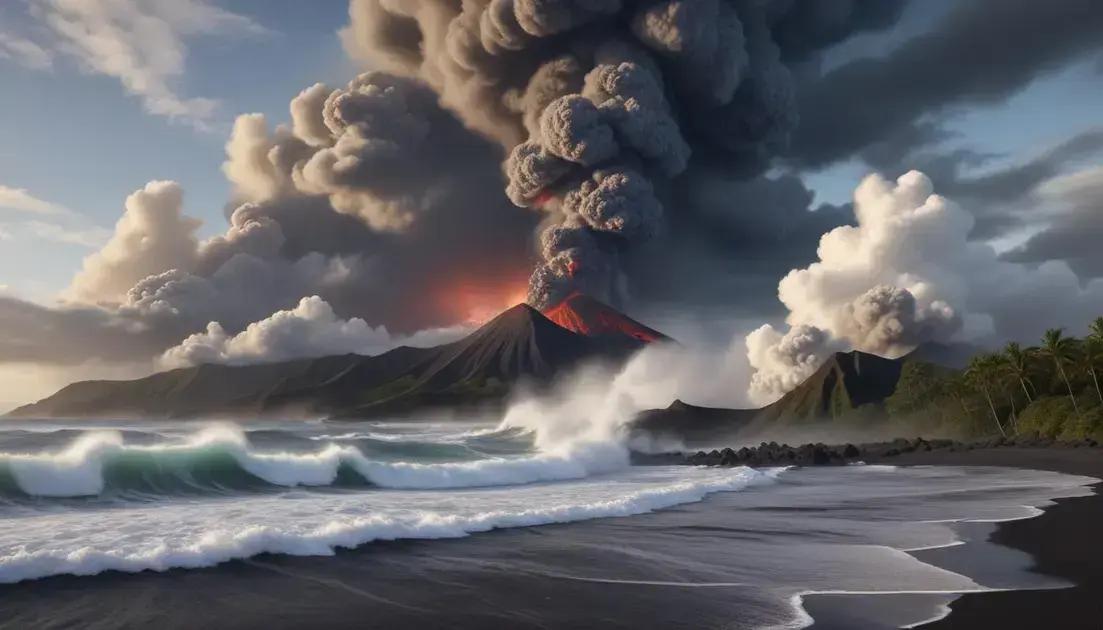
The Hunga Tonga eruption was a massive underwater volcanic blast. On January 15, 2022, it erupted with so much force that it could be heard thousands of miles away. This eruption caused significant atmospheric disturbances and sent ash clouds high into the sky. The plume of ash reached about 25 kilometers into the atmosphere.
Details of the Eruption
Such eruptions do not happen every day. They can cause tsunamis and impact climates far from the eruption site. The force was so powerful that it triggered waves across the Pacific Ocean. Many coastal areas felt the effects. The waves were not just tall; they were dangerous and caused damage wherever they hit.
Impact on Surroundings
The ash and gases released changed weather patterns as they spread. Rainfall was affected, leading to concerns about crop yields in various regions. People living near the volcano had to be evacuated. Conditions were harsh, with ash covering homes and surroundings.
This event was a reminder of nature’s power. Scientists are still studying its effects. Understanding events like this helps with disaster preparedness in the future.
The impact of tsunamis globally
The tsunamis triggered by the Hunga Tonga eruption had a wide-ranging impact. These waves traveled quickly across the ocean, affecting many countries. Places like Japan, the U.S. West Coast, and even South America felt the consequences.
Waves Reaching Far and Wide
These powerful waves didn’t just appear. They grew in size as they traveled. In some areas, waves reached heights of over 15 meters. This caused flooding, damaging property and endangering lives.
Reports and Observations
People living in coastal regions reported unusual wave activity. Many rushed to evacuate their homes. Emergency services were on high alert, ready to respond. Some areas saw homes and businesses flooded, highlighting the risks of living near the ocean.
Alongside physical damage, there were also concerns about marine life. Tsunamis can disrupt ocean ecosystems, affecting fish and other sea creatures. The long-term effects on these habitats are still being studied.
Global Awareness
This event served as a wake-up call. Countries recognized the need for better tsunami warning systems. Many began reviewing their response plans. Investing in early warning technology can save lives in future situations like this.
Climate effects due to the eruption
The Hunga Tonga eruption didn’t just impact the ocean; it also affected the climate. When the volcano erupted, it released massive amounts of ash and gases into the atmosphere. This can change weather patterns far from the eruption site.
Atmospheric Changes
Large amounts of ash can block sunlight, cooling the air below. Some regions may see lower temperatures. This cooling effect can change local weather for months. Rainfall patterns might also shift, causing droughts or excessive rain.
Global Cooling and Warming
Volcanic eruptions can contribute to both cooling and warming. While ash blocks sunlight, gases like carbon dioxide can warm the atmosphere in the long run. Understanding these effects is important for scientists. They use models to predict how eruptions will impact climate.
Long-term Impacts
Some areas may face longer-lasting changes. Farmers may need to adjust crop plans if conditions become less predictable. Fish and wildlife also rely on specific climate conditions. Changes can disrupt ecosystems, affecting food chains.
Monitoring volcanic activity and its effects helps everyone prepare. It raises awareness about how connected our world is, even during a natural disaster.
Lessons learned from the Hunga Tonga eruption
The Hunga Tonga eruption taught us many important lessons. One of the key lessons is the need for better preparation for natural disasters. This event was a reminder that such eruptions can happen without warning.
Improved Monitoring
Scientists need to improve monitoring systems to detect volcanic activity earlier. Technologies like satellite imaging can help track changes in volcanoes. Early warnings can save lives and reduce damage.
Community Preparedness
Communities near volcanoes should have clear evacuation plans. Local governments need to educate people about what to do during an eruption. Regular drills can help make these plans effective.
International Cooperation
The effects of volcanic eruptions can cross borders. Countries need to share information and resources. Working together can help everyone respond more effectively to disasters.
Learning from the Hunga Tonga eruption can help enhance global safety. Future eruptions may be less devastating if we apply these lessons wisely.
Conclusion
In summary, the Hunga Tonga eruption highlighted several important lessons about natural disasters. Better monitoring and early warning systems can help save lives when an eruption occurs. Communities need clear plans to evacuate quickly and safely.
International cooperation is essential too. Sharing information about volcanic activity can help all nations prepare better for potential disasters. As we learn from these events, we can work together to improve safety measures.
By applying these lessons, we can be better prepared for future eruptions and other natural disasters. This preparation not only protects lives but also helps communities recover and thrive after such events.