Imperial China: 2,000 years of dynasties and innovation
China’s history showcases a rich tapestry of innovation and culture spanning over 2,000 years. Key dynasties like the Shang, Zhou, Qin, and Han made significant advances in technology, art, and governance, leading to essential inventions such as paper, gunpowder, and silk. The influence of Confucianism and Daoism shaped societal values, while scientific achievements laid the groundwork for future developments. Understanding these events reveals how ancient practices continue to impact modern China and the world today.
Welcome to a fascinating glimpse into Ancient China, where over two millennia of dynasties shaped a remarkable civilization filled with innovation. Curious to explore this journey?
Overview of Dynasties
China’s history is rich with remarkable dynasties. Each dynasty brought unique changes that shaped the country. From the earliest dynasties to the powerful empires, they all left lasting marks.
Shang Dynasty
The Shang Dynasty was one of the first recorded dynasties. It ruled from around 1600 to 1046 BCE. They were known for their advancements in bronze work and writing. The use of oracle bones for divination was also popular during this time.
Zhou Dynasty
After the Shang came the Zhou Dynasty, lasting until 256 BCE. This period introduced important ideas like the Mandate of Heaven. It justified a ruler’s power by saying that heaven granted them authority.
Qin Dynasty
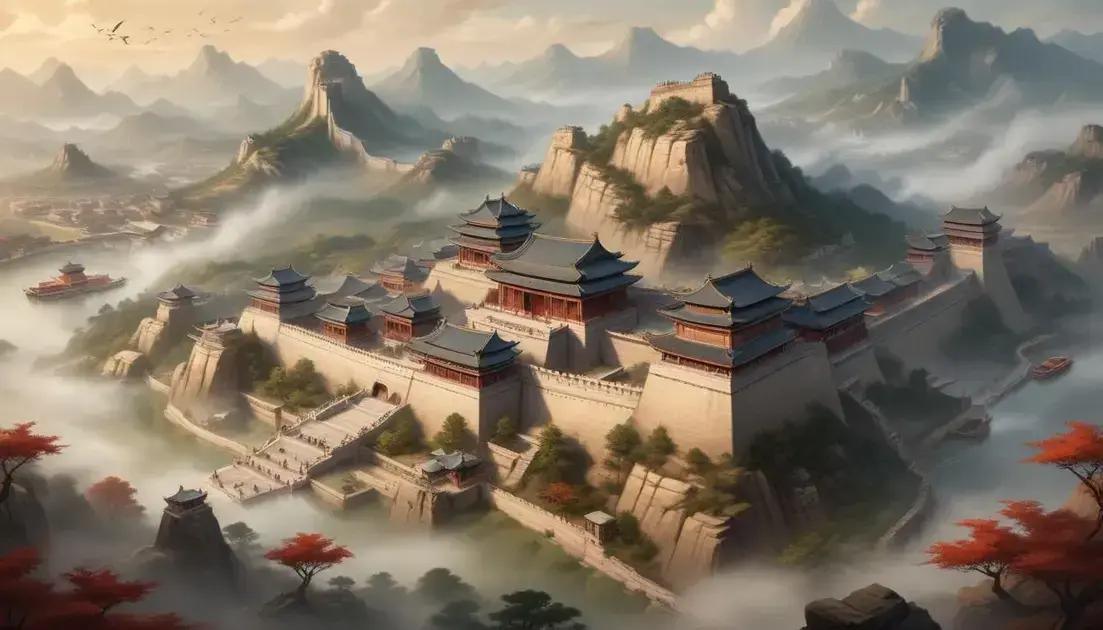
The Qin Dynasty was short but significant, ruling from 221 to 206 BCE. Qin Shi Huang, its first emperor, unified China. He started building the Great Wall and set standards for weights and measures.
Han Dynasty
Following the Qin, the Han Dynasty (206 BCE to 220 CE) is one of the most celebrated in Chinese history. This era is famous for its cultural and technological advancements. The Silk Road also started during this time, connecting China to distant lands.
Subsequent Dynasties
As time went on, other dynasties like the Sui, Tang, and Song emerged. Each brought innovations in art, science, and governance. The Tang Dynasty, for example, is known as a golden age for poetry and literature.
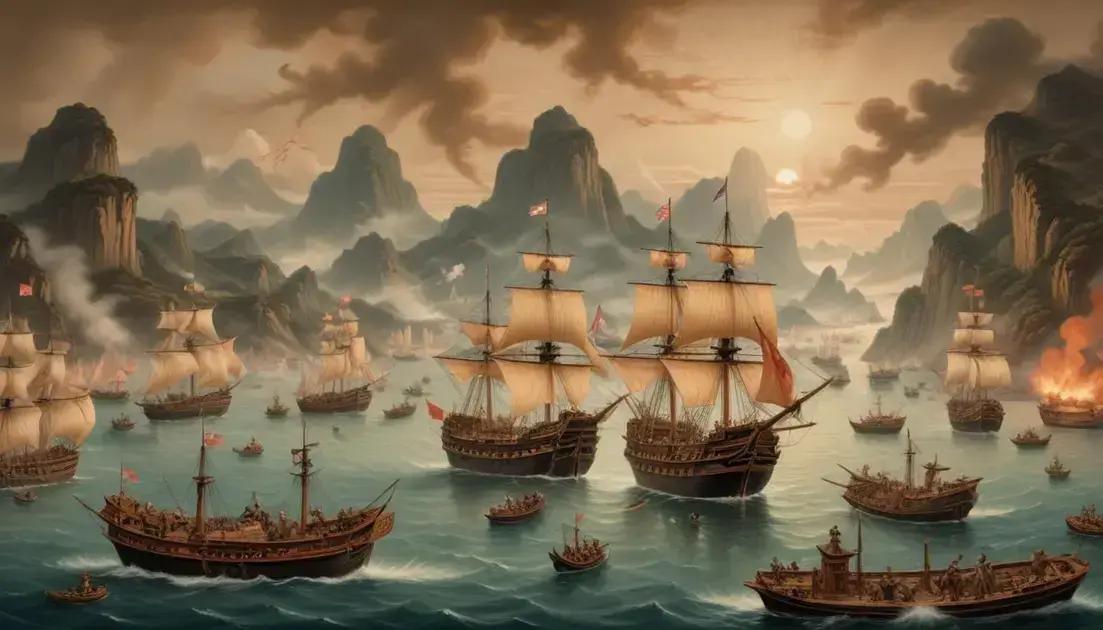
The Ming and Qing dynasties marked the final chapters of imperial rule, with the Ming focusing on exploration and trade. The Qing, the last dynasty, faced challenges from the West leading to major changes in China.
Understanding these dynasties helps us see how China evolved into the country it is today. Each era contributed to a diverse culture and a history full of lessons.
Cultural Innovations
China’s story isn’t just about dynasties; it’s also about cultural innovations. These innovations shaped how people lived and thought. From art to technology, they made a big impact. Let’s look at some key cultural advancements.
Inventions that Changed the World
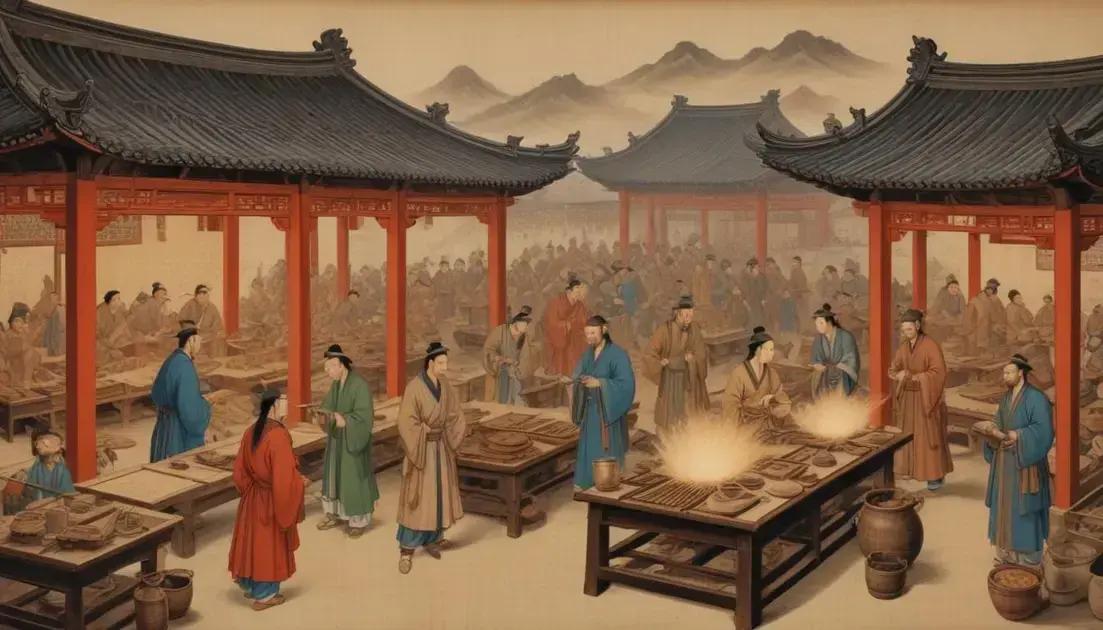
The Chinese invented many things that changed the world. For example, paper and printing made spreading ideas easier. Before this, books were hard to create and expensive. With paper, more people could read.
Gunpowder
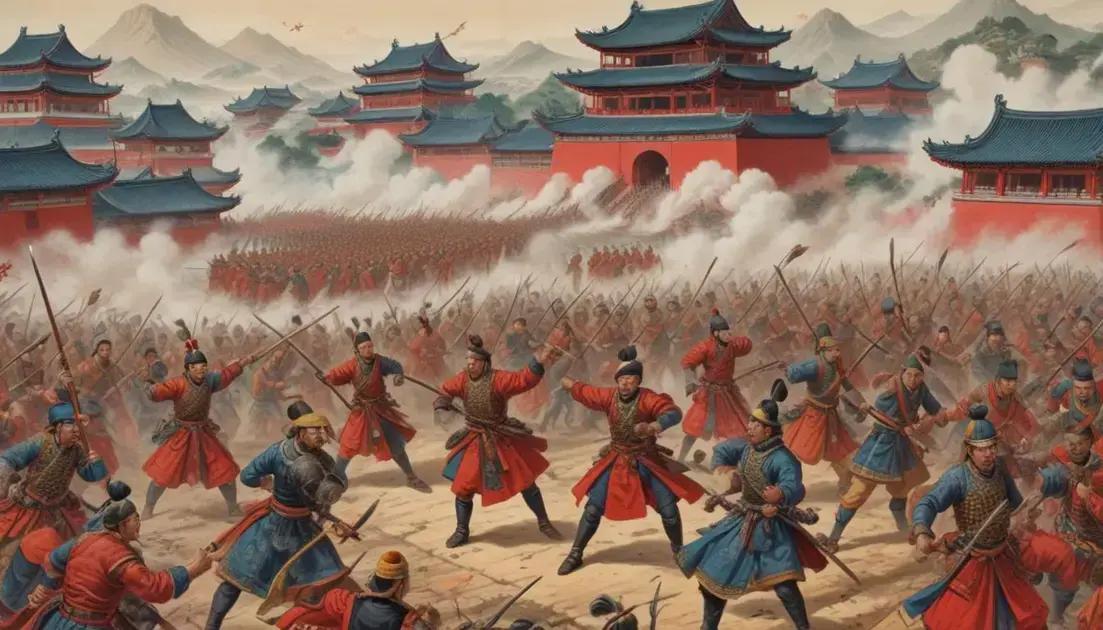
Gunpowder is another important invention. Created in the 9th century, it changed warfare forever. This invention spread to the West and transformed battles. It also opened paths for fireworks, a beloved art form still celebrated today.
Silk and Trade
Silk production began during the Shang Dynasty. It became a valuable trade item. The Silk Road connected China to different cultures. This trade route allowed ideas and goods to flow in and out of China.
Philosophy and Religion
Philosophy flourished in ancient China. Confucianism and Daoism shaped moral values and behaviors. These teachings focused on family, respect, and harmony. They’re still important in Chinese culture today.
Arts and Literature
Chinese art and literature saw great growth. Poetry gained popularity, especially during the Tang Dynasty. Famous poets like Li Bai created beautiful works that people still admire. Calligraphy, painting, and music also thrived during this time.
These cultural innovations reflect China’s rich history and creativity. They show how deeply culture is woven into everyday life in China. Innovation in arts, sciences, and philosophies set the stage for future generations.
Political Developments
China’s political developments have shaped its path through history. Different dynasties brought various forms of governance. Understanding these changes helps us grasp China’s complex political landscape.
The Mandate of Heaven
One key concept is the Mandate of Heaven. This idea says that rulers get their power from heaven. When a dynasty lost this favor, it was thought they could be overthrown. This belief helped legitimize the rule.
Centralized Government
Many dynasties aimed for a strong central government. This helped maintain order across vast territories. The Qin Dynasty, for example, established a unified system of laws. They standardized weights and measures to promote trade.
Conflicts and Power Struggles
Political power wasn’t always stable. Dynasties faced internal conflicts and power struggles. The Han Dynasty ended due to corruption and weak leadership, leading to chaos. This resulted in another period of division and strife.
Reforms Under Dynasties
Reforms played a critical role in shaping governance. The Tang and Song dynasties saw improvements in administrative practices. They established civil service exams to select talented officials. This promoted merit over birthright.
Impact of Western Influence
In the 19th century, Western powers began influencing China. The Opium Wars led to unequal treaties. These treaties opened up ports and allowed foreign control, causing unrest.
The fall of the Qing Dynasty in 1911 marked a major shift. This event led to the rise of the Republic of China. New ideas about governance emerged, impacting modern politics.
Chinese politics today still reflect this long history. Understanding these political developments reveals how traditions shape current policies and leadership styles.
Scientific Achievements
Throughout history, scientific achievements in China have amazed the world. Many discoveries have changed how we understand nature and technology. Let’s take a closer look at some key innovations.
Agricultural Advances
Early Chinese farmers made significant strides. They developed techniques like crop rotation. This helped improve soil fertility and yield. They also introduced rice cultivation, which spread to other regions.
Medicine
Traditional Chinese medicine dates back thousands of years. Acupuncture and herbal remedies are still used today. These methods focus on balance and harmony within the body. They laid the groundwork for holistic healing.
Astronomy
Chinese astronomers were among the first to study the stars. They created calendars based on lunar cycles. They also observed solar and lunar eclipses. Their work helped improve navigation and timekeeping.
Engineering and Architecture
Engineering feats like the Great Wall show China’s innovative spirit. This massive structure protected against invasions and showcased advanced techniques. Pagodas and bridges also highlight the beauty of ancient Chinese architecture.
Gunpowder and Its Impact
Gunpowder was invented in the 9th century. This invention had a huge impact on warfare and fireworks. It changed battle strategies and celebrations everywhere.
These scientific achievements reflect China’s long history of innovation. They continue to influence modern science and technology today. Understanding these contributions can help us appreciate the depth of Chinese heritage.
Conclusion
China’s history of innovation and culture is rich and profound. Each dynasty has contributed unique ideas and practices. From ancient inventions to modern influences, their legacy is remarkable.
Scientific achievements like gunpowder and medical practices still resonate today. The evolution of governance has shaped China’s political landscape over centuries. Cultural advancements in art and philosophy reflect its diverse heritage.
As we explore China’s past, we notice how these elements connect to our present. Understanding this rich history can deepen our appreciation for its ongoing influence worldwide.
Conclusion
In conclusion, exploring China’s history reveals a fascinating journey of innovation and cultural richness. The achievements in science, art, and governance highlight how each dynasty contributed significantly to the world we know today.
From the invention of gunpowder to advancements in medicine, these contributions shaped not only China’s identity but also influenced many other cultures. Understanding this legacy helps us appreciate the depth of human creativity and resilience.
As we reflect on ancient China, we see how its past continues to inspire modern society. The lessons learned from these innovations and cultural practices encourage us to continue embracing change and fostering creativity in our own lives.