Information control: the digital iron curtain
Digital censorship is a growing concern in today’s internet age, affecting how people access information and express themselves. This summary covers various aspects, including its evolution, societal impacts, the fight for internet freedom, and future trends. Understanding how technologies like AI influence censorship is essential for safeguarding freedom of speech and the right to information in a rapidly changing digital landscape.
Digital censorship is a reality many face today. But what does this mean for our right to information? In a world where information is power, understanding this issue is crucial…
The evolution of censorship in the digital era
The evolution of censorship in the digital era has changed how we view and share information. In the past, censorship was often about suppressing printed material. Now, it also includes what we see online.
Changes in Censorship
Today, governments and companies use different methods to control what people can access. They may block certain websites or remove content that doesn’t fit certain guidelines. This makes it harder to find unbiased information.
Social Media and Censorship
Social media platforms play a significant role in controlling information. These platforms can adjust rules to limit posts or accounts that they feel are inappropriate. Yet, this raises a big question: Who decides what’s acceptable?
Impact on Freedom of Speech
Censorship affects freedom of speech. Many argue it’s necessary to keep harmful content away. But others believe it prevents people from seeing the full picture. Finding a balance is crucial in today’s world.
The Role of Technology
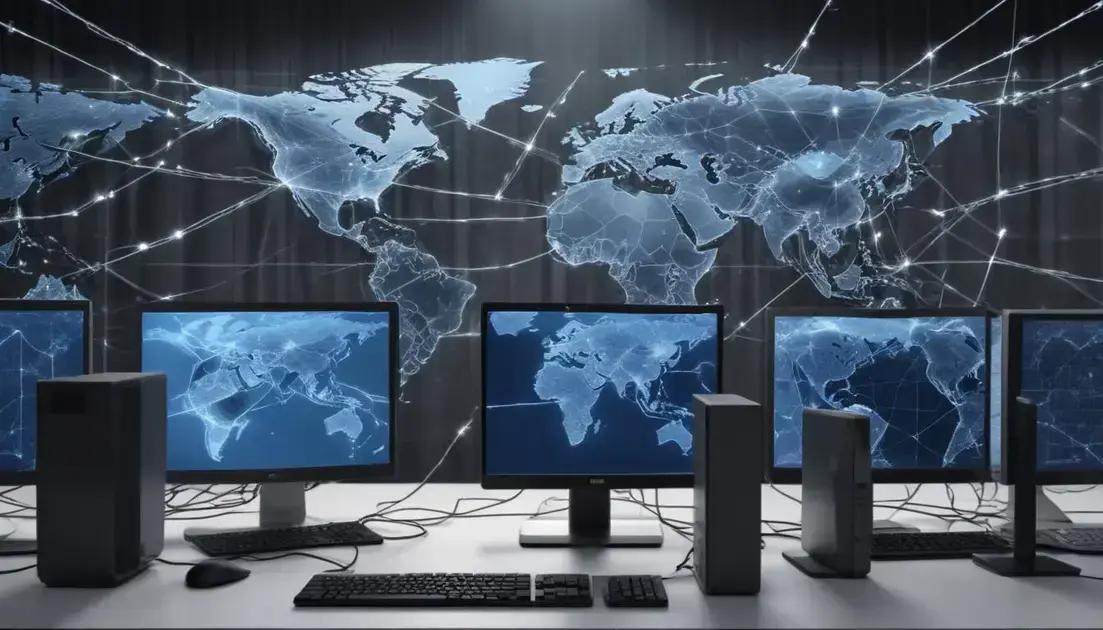
Technology can both aid and hinder censorship. While it helps people share ideas quickly, it also gives authorities tools to monitor and control that sharing. It’s a double-edged sword.
As we move forward, understanding the evolution of censorship is vital. It impacts our daily lives more than we often realize.
The impact of digital censorship on society
The impact of digital censorship on society is significant. It shapes how we access information and share ideas. When certain content is blocked, it limits our understanding of the world.
Access to Information
People often rely on the internet for news and knowledge. When censorship occurs, it narrows that access. Individuals may miss out on diverse viewpoints, which is crucial in forming opinions.
Censorship and Free Expression
Digital censorship can stifle free expression. Users may feel reluctant to share their thoughts, fearing backlash or removal of their content. This can create a culture of silence.
The Rise of Misinformation
With censorship in place, misinformation may rise. When certain voices are silenced, it can allow false information to flourish unchecked. This hurts society as a whole.
Activism in the Digital Age
On the positive side, digital platforms have empowered activists. They can bypass censorship to reach wider audiences. Social movements often thrive online, even when faced with censorship challenges.
Understanding the impact of digital censorship helps us see its effects on society. It’s essential to find ways to protect both access to information and free expression.
Case studies on information control
Case studies on information control show how different countries approach censorship. These examples help us understand the effects on society and freedom.
China’s Internet Control
In China, the government controls internet access closely. They block many foreign sites and monitor user activity. This strict control aims to limit dissent and promote government-approved content.
The Arab Spring
During the Arab Spring, many Middle Eastern countries faced unrest. Activists used social media to spread information. In response, some governments tried to shut down internet access to control the flow of information.
Germany’s Hate Speech Laws
Germany takes a strong stance against hate speech online. The government requires platforms to remove illegal content quickly. While this protects people, it also raises questions about censorship and free speech.
The United States and Section 230
In the U.S., Section 230 of the Communications Decency Act provides immunity to online platforms. This allows them to decide what content to remove without facing legal consequences. It’s a double-edged sword because moderation practices can lead to censorship.
These case studies highlight the complexity of information control. Each approach affects users differently, shaping their access to knowledge and their ability to express themselves.
The fight for internet freedom
The fight for internet freedom is more important than ever. Many people believe that everyone should have access to information online. Yet, censorship often stands in the way.
Global Movements
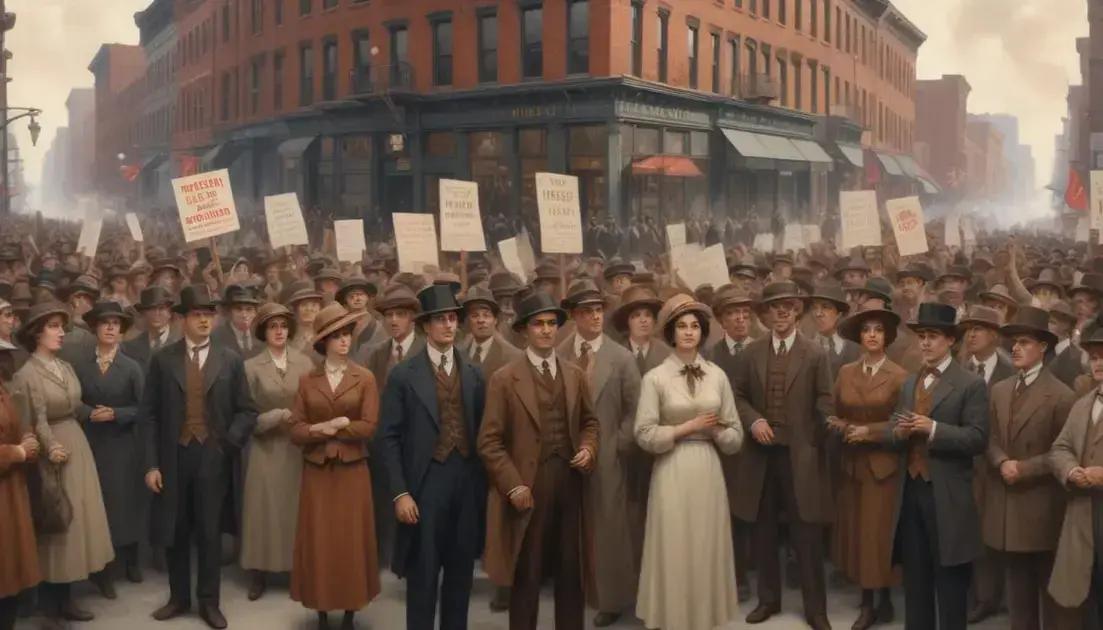
Across the world, activists rise up for digital rights. They organize campaigns to push back against censorship and promote free speech. These movements show that the desire for freedom is universal.
Technology as a Tool
Technology plays a big role in this fight. Tools like virtual private networks (VPNs) help people bypass restrictions. They allow users to access content that may be blocked in their country.
Challenges in Authoritarian Regimes
In many authoritarian countries, the fight for internet freedom is risky. Governments use surveillance and harsh penalties against dissidents. These dangers can discourage people from speaking out.
International Support
Global organizations work to support activists. They provide resources, training, and safe spaces for discussion. This support helps survivors of censorship know they’re not alone.
The struggle for internet freedom is critical for democracy. It’s about protecting our right to freely share ideas and access information.
Future trends in digital censorship
Future trends in digital censorship will likely shape how we use the internet. As technology advances, so do the ways censorship is applied.
AI and Censorship
Artificial Intelligence (AI) is a tool used by governments to manage content. AI can quickly detect and remove posts that don’t fit specific guidelines. This raises questions about free speech.
Increased Surveillance
We might see more surveillance on digital platforms. Governments will monitor user activity to catch unwanted content. This could lead to a chilling effect, making people less likely to share their views.
Decentralization of Information
Blockchain technology may change censorship. It allows for decentralized platforms where content cannot be easily removed. This can empower users and protect freedom of expression.
Global Censorship Trends
Countries will continue to influence each other’s censorship laws. A push for more stringent regulations may rise globally. Awareness of these trends is essential for advocates of free speech.
The future of digital censorship will depend on how societies balance security, freedom, and technology. It’s a crucial topic for everyone.
Conclusion
In conclusion, understanding digital censorship is vital in our internet-driven world. As we explore the evolution of censorship, its impact on society, and the fight for internet freedom, it’s clear that these issues matter to everyone. Future trends in censorship will shape how we communicate and access information.
We must pay attention to how technology, like AI and blockchain, affects our rights. Advocating for internet freedom and protecting access to information is crucial. By staying informed and engaged, we can work together to ensure a more open and free digital space for all.