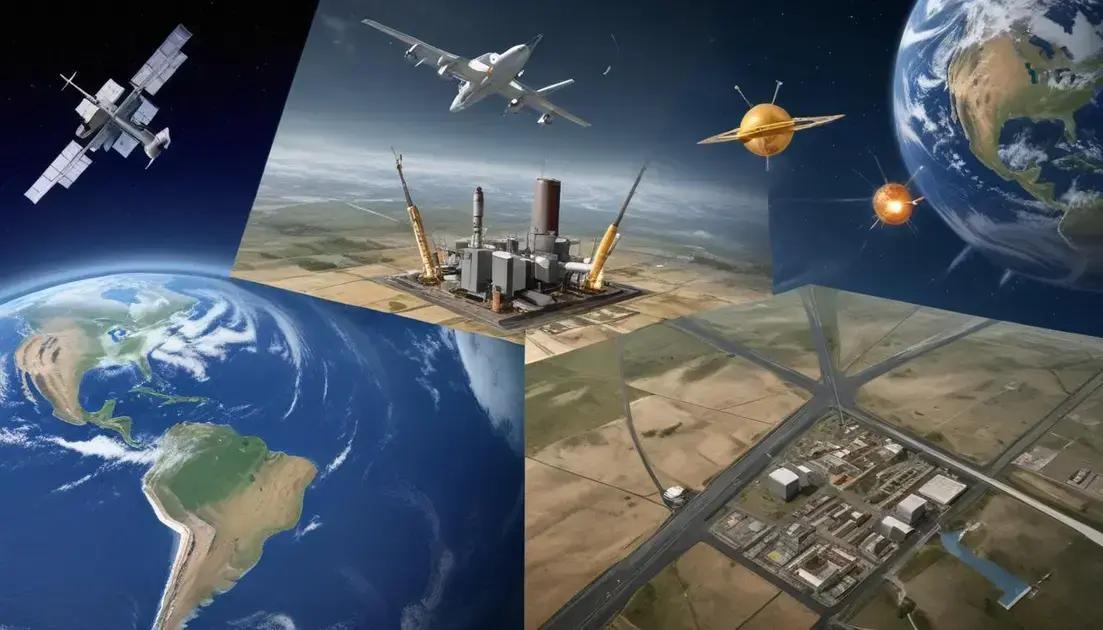
Internet, GPS and Satellites: Children of the Cold War
The transformation of Cold War technologies has greatly impacted modern society. Key innovations like the internet and GPS, initially developed for military use, have reshaped communication, navigation, and business practices. As we look to the future, these technologies are expected to evolve further, enhancing connectivity and efficiency across various sectors, including agriculture and emergency services.
Have you ever thought about how Cold War technologies, once reserved for military use, have reshaped our daily lives? It’s fascinating!
The Evolution of Cold War Technologies
The evolution of Cold War technologies is fascinating. What started as military projects has changed our world in many ways. Innovations like the internet and GPS are just a few examples.
From Military to Civilian Use
Many technologies were developed for military purposes. These included advanced communication systems and navigation tools. Over time, these resources made their way into everyday life. For instance, the technology behind GPS began in military applications. Now, it’s a crucial part of our daily navigation.
Key Innovations to Note
The internet is one of the most significant advancements. It started as a way for military networks to communicate securely. Today, it connects billions of people around the world. Another important innovation is satellite technology. Originally used for surveillance and communication, satellites now help with everything from weather forecasting to global positioning.
Impact on Society
These developments have changed how we live and work. The internet and mobile communication help us stay connected. They make information sharing quick and easy. GPS has transformed travel and logistics, making navigation simpler and more efficient.
Looking back, it’s impressive to see how the Cold War led to these innovations. They were born from necessity and have since become vital to our lives.
From Military to Civilian: A Transformation
The journey of technology from military to civilian use is remarkable. Many inventions that were once top-secret are now part of our daily lives. For instance, military drones have evolved to help with deliveries and surveillance.
Early Uses in the Military
During the Cold War, many technologies focused on defense and intelligence. These tools aimed to improve national security. For example, satellite technology was crucial for monitoring enemy movements. It helped gather important information about locations and activities.
Bringing Innovations to Everyday Life
After the Cold War, these technologies found new homes. The internet is a prime example. What began as a military communication tool is now essential for communication and entertainment. Likewise, GPS technology, initially for military navigation, now guides millions of people every day.
The Benefits of This Transformation
This shift has brought many benefits to society. We now enjoy faster and more reliable communication. Civilian applications of these technologies often lead to improved efficiency in various sectors. For instance, businesses use drones for deliveries, and farmers use satellite data for crop management.
By transforming military technologies to civilian use, we’ve made our lives easier and more connected. It’s fascinating to see how innovations can shift and adapt over time!
Key Innovations: Internet, GPS, and More
Key innovations from the Cold War era have changed our world. Technologies like the internet and GPS started in military settings. Now, they play big roles in our lives.
The Internet
The internet was born as a way for military sites to share information securely. Soon, it opened up to the public. Today, it connects billions of people worldwide. We use it for shopping, learning, and connecting with friends.
GPS Technology
GPS, or Global Positioning System, began in the military for navigation. It allows users to pinpoint locations anywhere on Earth. Now, we use GPS for driving directions, tracking deliveries, and even finding our way while hiking.
Other Notable Innovations
Many other technologies emerged from this era. For instance, satellite technology provides weather updates and live broadcasts. Drones, initially for reconnaissance, now help in various fields, like agriculture and delivery services.
These developments demonstrate how military innovations have found important roles in daily life. They not only help us stay informed but also make our lives easier and more enjoyable.
The Impact on Modern Society
The impact of Cold War technologies on modern society is huge. Innovations like the internet and GPS have transformed how we live and work. These tools connect us in ways we never imagined before.
Connecting People
The internet has changed communication forever. We can instantly share information with anyone around the globe. Social media platforms allow families and friends to stay in touch, even from afar. It makes our world feel smaller and more connected.
Making Daily Tasks Easier
GPS technology simplifies our daily routines. We use it for driving directions, tracking deliveries, and finding new places to explore. Thanks to GPS, we spend less time lost and more time enjoying life.
Impact on Business and Services
Businesses have also felt this impact. The internet lets companies reach more customers through online sales. GPS helps logistics companies manage deliveries and optimize routes, saving time and money. These technologies improve efficiency and customer satisfaction.
Overall, the effects of these technologies are felt everywhere. They shape how we interact, travel, and do business. It’s amazing to see how far we’ve come since their origins in the Cold War!
Looking Ahead: The Future of Ex-Cold War Technologies
Looking ahead, the future of ex-Cold War technologies is exciting. These innovations continue to evolve and shape our lives. As we advance, we can expect even more benefits.
Emerging Technologies
New technologies are being built on the foundations of the past. For instance, artificial intelligence (AI) will enhance GPS accuracy and improve navigation systems. Smart devices will use GPS for better tracking and efficiency.
Continued Connectivity
The internet is also set to grow. We’ll see faster connections and more reliable services. This will impact everything from streaming to remote work. Increased connectivity allows us to share and gather information easily.
Innovative Applications
Cold War technologies will find new applications in various fields. For example, drones will play a larger role in agriculture. Farmers will use them for monitoring crops and improving yields. Medical services may utilize drones for urgent deliveries.
Moreover, satellite technology will help tackle global challenges. It can assist in climate monitoring and disaster management. This is crucial for responding to emergencies quickly and efficiently.
Conclusion
In conclusion, the evolution of technologies from the Cold War has significantly shaped our modern lives. Innovations like the internet and GPS have improved our daily activities and connected us like never before. As we look to the future, these technologies will continue to evolve, offering new applications and benefits.
Understanding how these technologies impact us is essential. They not only enhance communication and efficiency but also open doors to new possibilities. Embracing these advancements can lead to better solutions for challenges we face today. By leveraging these tools, we can create a more connected and efficient world for everyone.
Tags: