Iron Curtain: The Birth of the Socialist East
The Iron Curtain marked a significant division in Europe during the Cold War, symbolizing the rise of socialism in Eastern Europe. It greatly impacted global politics, leading to an arms race and the formation of key alliances like NATO and the Warsaw Pact. Personal stories from individuals who lived through this era highlight the struggles for freedom and the challenges faced due to the oppressive regimes. These narratives underscore the historical importance of this period and remind us of the value of liberty.
The Iron Curtain symbolizes the division of Europe during the Cold War, marking the rise of communism that reshaped our world.
What was the Iron Curtain?
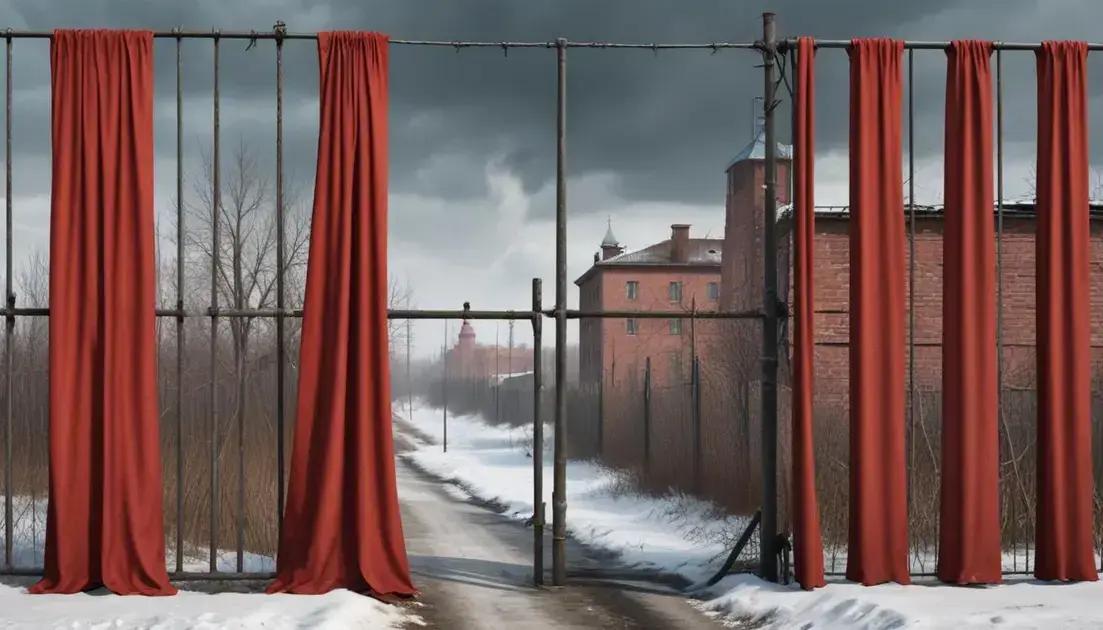
The Iron Curtain was a term used to describe the boundary that separated Eastern and Western Europe during the Cold War. This division wasn’t just geographical; it reflected deep political and ideological differences. On one side, communist regimes ruled, while on the other, democratic governments thrived.
After World War II, many Eastern European countries fell under Soviet influence. Nations like Poland, Hungary, and East Germany found themselves cut off from the West. The Iron Curtain symbolized this division, making it clear where freedom was limited and oppression took hold.
The physical barrier was often represented by walls and fences, but it also included strict controls on communication and travel. People in the East faced many restrictions. They couldn’t freely express their thoughts or choose their own leaders.
Many remember the Iron Curtain as a time of fear and uncertainty. Families were separated, and dreams of a better life were often crushed. The term became widely known after Winston Churchill used it in a famous speech in 1946. He warned the West about the dangers of Soviet expansion.
Understanding the Iron Curtain is key to grasping the history of Europe in the 20th century. It helps us see how past decisions shaped the world we live in today.
The rise of Socialism in Eastern Europe
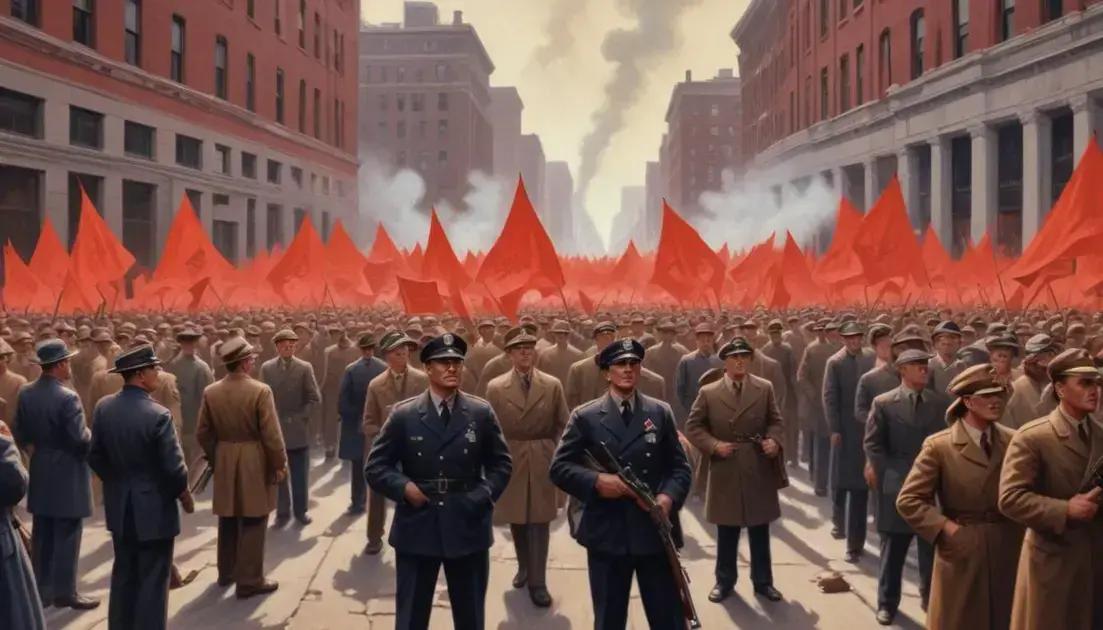
The rise of Socialism in Eastern Europe began after World War II. Many countries turned to communism for stability and economic recovery. This shift was largely influenced by the Soviet Union, which expanded its power across the region.
Poland, Hungary, and Czechoslovakia were among the first to adopt socialist policies. These governments aimed to control industries and redistribute wealth. In theory, this was meant to create a fairer society for everyone.
However, the reality was often different. Governments restricted personal freedoms and limited choices. People could not easily speak out against the ruling party. Those who did often faced harsh consequences.
As socialism spread, it impacted daily life. Many citizens had jobs, but their wages were low. Goods and services were often in short supply. Rationing became common, making it hard for families to get what they needed.
Despite the challenges, socialism did bring some benefits. Education and healthcare became more accessible. Many people received free schooling and medical care. This led to higher literacy rates and improved public health overall.
Over time, people began to push for change. The rise of dissent and the desire for freedom grew stronger. By the late 1980s, many Eastern European countries began to reject communism, leading to significant changes that shaped the future.
The impact on global politics
The impact on global politics during the Cold War was significant. The divide created by the Iron Curtain changed how countries interacted. Eastern and Western nations found themselves on opposite sides of a major conflict.
One major consequence was the arms race. Both sides built massive stockpiles of weapons. This led to a constant fear of war. People worried that any small dispute could escalate into a catastrophic conflict.
Another impact was the formation of alliances. NATO was created by Western countries to protect against Soviet aggression. In contrast, the Soviet Union established the Warsaw Pact to strengthen its hold over Eastern Europe. These alliances shaped political decisions for decades.
Many countries worldwide had to pick a side. Some nations chose non-alignment, trying to stay neutral in this conflict. This was often a challenge, as global powers pressured smaller nations.
The Cold War also influenced international organizations like the United Nations. Countries often used these platforms to promote their agendas. Discussions about peace and security were heavily influenced by the tensions between East and West.
Finally, the struggle for influence extended beyond Europe. The U.S. and the Soviet Union intervened in various regions around the globe. Countries in Asia, Africa, and Latin America became battlegrounds for their competing ideologies.
Personal stories from those who lived it
Hearing personal stories from those who lived through the Iron Curtain brings history to life. These accounts show real experiences and emotions from that time. Many people have vivid memories of how their lives were shaped by this divide.
One story comes from a man in East Germany. He recalls watching people escape to the West. Some used homemade hot air balloons, while others risked swimming across rivers. Those daring acts of courage show how strong the desire for freedom was.
A woman from Poland shares her memories of limited choices. She remembers waiting in long lines just to buy basic goods. Foods and everyday items were often scarce, which made life challenging. The struggle for essentials highlighted the harsh realities of living under a communist regime.
Many families faced separation due to political barriers. A survivor from Czechoslovakia talks about being cut off from relatives in the West. Communication was restricted, and visits were nearly impossible. The emotional toll of being apart left deep scars.
Music and art were also affected. Artists often fought against censorship. A musician describes how they wrote songs about freedom, even facing risks. These songs became a form of protest against the regime.
Each personal story shows how the Iron Curtain impacted lives. These memories remind us of the importance of freedom and the struggles many faced during this challenging time.
Conclusion
In conclusion, understanding the history of the Iron Curtain and its impact on people is crucial. From the rise of socialism in Eastern Europe to the personal stories shared by those who lived through it, each aspect helps us grasp the reality of that time. The barriers created not only shaped political landscapes but also deeply affected individual lives.
These accounts remind us of the importance of freedom and the struggles people endured. As we reflect on these stories, we can appreciate the value of liberty and learn from the past. It’s essential to keep these lessons alive as we move forward, ensuring that the rights and voices of all individuals are respected and protected.
Tags: